


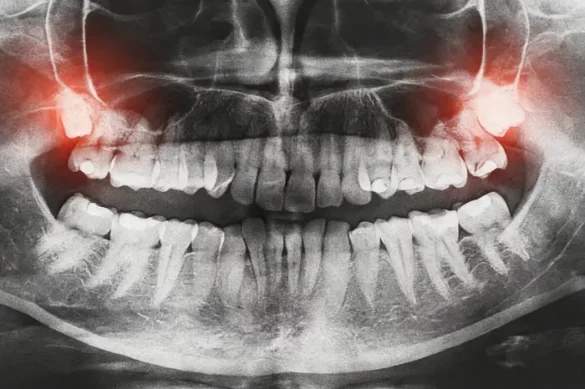
Wisdom teeth are known for causing all sorts of dental anxiety, especially during the late teens and early adulthood. Most people expect these third molars, the last teeth in the mouth, to appear and potentially create problems between ages 17 and 25. But what happens when wisdom teeth erupt after the age of 30? Can this truly occur, and what does it mean for your oral health? This article explores the rare but possible occurrence of wisdom teeth eruption beyond 30, the risks, management, and what patients should consider if they find themselves in this situation.
What Are Wisdom Teeth?
Wisdom teeth are also called third molars. These are the last set of molars to develop in the back corners of the mouth. In most cases, wisdom teeth begin developing under the gums around ages 9 to 11 and typically erupt, meaning they break through the gum tissue, between ages 17 and 21. However, not everyone follows this timeline. Some people never develop wisdom teeth at all, while others may have only one or two. Most people have four wisdom teeth, but their eruption and growth can vary from person to person.
Typical Timeline for wisdom teeth Eruption
The standard timeline for wisdom teeth eruption is during late adolescence and early adulthood. Most dentists expect wisdom teeth to come in by age 25. This is why dental professionals often recommend X-rays during the teenage years to monitor their growth and decide if removal is needed. When wisdom teeth do erupt, they can cause pain, swelling, and even infections. Some individuals go through this process with minimal discomfort, while others face more severe issues like impaction, crowding, or decay.
Can wisdom teeth Erupt After 30?
Although uncommon, wisdom teeth can erupt after the age of 30. Dental professionals have noted that while most wisdom tooth activity is complete by the third decade of life, some patients report wisdom teeth coming in even in their thirties or beyond. The reasons for delayed eruption are not fully understood but may relate to genetics, jaw development, and individual differences in tooth growth. In rare cases, wisdom teeth may remain entirely unerupted or impacted in the jawbone for decades before showing any signs of eruption.
Why Might wisdom teeth Come In Late?
Several factors can influence why wisdom teeth erupt later in life:
- Genetics: Some people inherit a pattern of slow tooth development from their parents.
- Jaw Size and Shape: The amount of space in the jaw can delay eruption. Smaller jaws may hold wisdom teeth in impaction for years.
- Impaction: wisdom teeth may be stuck beneath the gum and only erupt when something changes, such as resorption of bone or movement of other teeth.
- Natural Variation: Human biology is complex, and outlier cases do occur where teeth erupt much later than expected.
Symptoms of wisdom teeth Erupting After 30
Patients over 30 may experience symptoms similar to younger individuals when wisdom teeth erupt. Signs to watch for include:
- Pain or pressure at the back of the jaw
- Swelling of gums in the back of the mouth
- Red or inflamed tissue around the erupting tooth
- Difficulty opening the mouth or chewing
- Episodes of infection such as pericoronitis
Some people may notice only mild discomfort, while others experience persistent pain and recurring gum problems. Because aging is associated with slower healing, these issues might be more pronounced or take longer to resolve in people over 30.
Risks Associated With wisdom teeth Erupting in Adulthood
There are several risks to be aware of if wisdom teeth erupt after 30:
Oral Hygiene Challenges
wisdom teeth are located at the back of the mouth, an area that is hard to clean. Partial eruption can create pockets where food and bacteria collect, increasing the risk of decay and gum disease. These pockets can lead to deep cavities that are difficult to treat and may affect neighboring teeth.
Infection and Inflammation
The eruption of wisdom teeth can cause local tissue trauma. The gums may swell, bleed, and become infected. Acute infections like pericoronitis may develop, characterized by pain, swelling, and difficulty swallowing. Chronic infections can result in more severe problems and may necessitate prompt intervention.
Tooth Crowding and Misalignment
Erupting wisdom teeth can put pressure on neighboring teeth, causing alignment issues. If you have had orthodontic treatment in the past, a late-erupting wisdom tooth can shift the teeth out of alignment, creating new challenges and potential need for additional orthodontic care.
Impaction and Complications
Impacted wisdom teeth are ones that do not fully break through the gum. Impacted teeth can become infected, cause cysts or even tumors, and may damage other teeth or the jawbone. extraction is typically recommended for impacted teeth, even in the absence of symptoms, to prevent future complications.
Slow Healing and Increased Surgical Risks
As we age, our bodies tend to heal more slowly. Wisdom tooth removal after the age of 30 can result in a longer recovery period, greater risk of infection, and more post-operative discomfort. Older patients often take longer to feel back to normal after surgery.
Managing wisdom teeth Eruption After 30
If you notice symptoms of wisdom teeth eruption in adulthood, it’s important to consult with a dental professional. Your dentist or oral surgeon will use panoramic X-rays to examine the position and condition of your wisdom teeth. Based on the findings, several management options are available:
Monitoring
Some wisdom teeth, if they are erupting straight and without any symptoms, may simply be monitored. Regular dental checkups can catch early signs of problems and allow for timely intervention if needed.
Improved Oral Hygiene
Maintaining good oral hygiene is critical. Gentle brushing of the back teeth, using mouthwash, and flossing can help prevent infections and decay. If gum swelling or pain begins, antimicrobial mouthwashes may offer relief until a dental appointment can be arranged.
Medication
Pain-relieving medicines such as ibuprofen or acetaminophen can be used to manage discomfort. Antibiotics may be given if there is significant infection or swelling that cannot be immediately treated surgically.
Extraction
wisdom tooth extraction is often recommended for impacted, infected, or problematic wisdom teeth. The procedure involves anesthesia and removal of the tooth. For adults, especially those over 30, recovery can take longer. The area may be sore for a week or more, and patients should follow aftercare instructions carefully, including eating soft foods and keeping the surgical site clean.
When to Seek Help
Persistent pain, prolonged swelling, difficulty swallowing, or fever are signs that urgent dental attention may be needed. Untreated problems can escalate to more serious infections or abscesses, sometimes requiring hospital care.
Preventive Measures and Long-term Outlook
The best approach to wisdom teeth—whether they erupt early or late—is prevention and proactive management. Regular dental checkups, even for adults over 30, ensure that hidden or developing wisdom teeth are monitored effectively. panoramic X-rays are especially valuable for locating wisdom teeth before they cause symptoms. Early extraction of problematic teeth can prevent many complications.
Individuals who have not had their wisdom teeth removed by age 30 and are experiencing no symptoms do not necessarily need surgery. However, if symptoms develop or X-rays reveal potential risks, extraction may be advised.
Conclusion
wisdom teeth can, on rare occasions, erupt after the age of 30. While this is not common, it is possible and comes with its own set of risks and complications. Older adults experiencing the eruption of wisdom teeth should be mindful of symptoms, practice diligent oral hygiene, and consult their dental professional for advice. If problems are present, extraction remains the safest long-term solution. Timely management and regular dental care help ensure good oral health and prevent the severe complications associated with wisdom teeth at any age.
Frequently Asked Questions
Can wisdom teeth erupt after 30?
Yes, while rare, wisdom teeth can erupt after the age of 30 due to factors like delayed jaw development or genetic predisposition.
What problems can erupting wisdom teeth cause in adults?
They can cause pain, infection, swelling, tooth crowding, and are harder to clean, which increases the risk of decay and gum disease.
Should I have wisdom teeth removed if they come in after 30?
You should consult with your dentist. If the teeth are causing pain, infection, or alignment problems, extraction may be recommended.
Is recovery from wisdom teeth surgery harder after 30?
Yes, healing tends to be slower in adulthood, and risks of complications increase, but with proper care, most adults recover fully.
How can I care for my wisdom teeth if they have not erupted or are causing no problems?
Maintain regular dental checkups, keep the area clean, and monitor for any changes or symptoms that might require professional attention.