


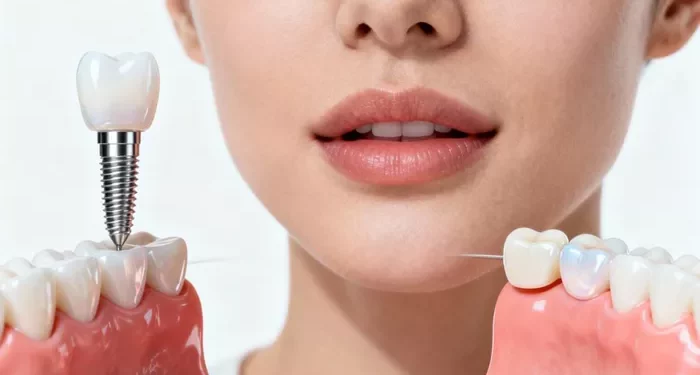
Cedar Dental Group is expanding its dental implant services in response to growing demand for durable, natural-looking tooth replacements. As more adults seek to maintain oral function and aesthetics later in life, the clinic is offering advanced technology, in-house surgical expertise, and personalized treatment planning.
Dental implants are increasingly sought by patients experiencing tooth loss, a condition expected to rise with the aging U.S. population. Studies indicate that nearly one in five adults over 65 have lost teeth, though most retain some natural dentition. This trend has boosted demand for long-lasting restorative solutions that improve quality of life.
Cedar Dental Group’s implant procedures are led by a board-certified periodontist and utilize precision CBCT imaging for optimal placement. Unlike removable alternatives, dental implants function like natural teeth and help preserve bone density, facial structure, and overall oral health.
The clinic also provides complementary services, including:
Gum grafting to address recession and protect tooth roots
Bone grafting to prepare for implants or support post-extraction healing
Periodontal therapy to manage gum disease and maintain oral health
Crowns and bridges to restore function and aesthetics
Cedar Dental Group emphasizes a patient-focused approach, prioritizing comfort, transparency, and trust—factors increasingly important as patients seek nonjudgmental care. The expansion coincides with rising digital marketing costs and local competition across the dental industry, prompting providers to differentiate their services through verified profiles, positive online reviews, and educational content.
“More patients are asking about long-term solutions, not just quick fixes,” said Dr. Susan Chu, owner of Cedar Dental Group. “Dental implants have become transformative, and we’re committed to delivering them with precision, comfort, and trust.”
Industry-wide, clinics are seeing a rebound in restorative care following pandemic-related delays. Rising cosmetic expectations and increased dental awareness have driven interest in implants, crowns, and gum treatments. Economic pressures continue to influence patient choices, making clear communication and flexible payment options increasingly essential.