


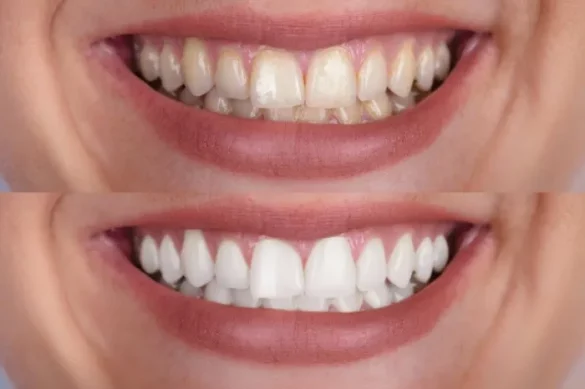
Anyone wishing for a brighter smile may wonder if professional teeth whitening can damage tooth enamel. This is a reasonable concern, as enamel is the hard outer protective layer of each tooth. Patients want a whitening treatment that gives great results but does not risk long-term dental health.
Understanding Tooth Enamel and Its Importance
Tooth enamel is the strongest material in the human body. It acts as a shield, protecting the softer layer below the surface, called dentin. Enamel guards teeth against daily wear, acids from foods, and bacteria. Any damage to enamel is permanent because the body cannot re-grow or replace it. This makes enamel safety a top priority when considering teeth whitening.
How Professional Teeth Whitening Works
Professional teeth whitening treatments use special agents, most commonly hydrogen peroxide or carbamide peroxide, to remove stains and lighten tooth color. During a whitening procedure, the active ingredient is applied to the teeth. It penetrates through the enamel and works on the dentin, breaking down discolorations and stains. The enamel itself acts as a barrier but allows whitening agents to pass through without being seriously affected.
In-office procedures are performed by dental professionals. Dentists use stronger whitening agents than those found in over-the-counter products. They take extra precautions to protect gums and surrounding tissues, making the process safer and more effective. Dentists may also use protective gels or barriers to shield sensitive areas during treatment.
Does Professional Whitening Damage Enamel?
Current research and dental organizations agree that professional tooth whitening does not damage enamel if performed correctly. The American Dental Association and other dental authorities approve many whitening products and procedures for safety. When used as directed, the whitening agents do not erode, weaken, or thin tooth enamel.
Whitening agents temporarily dehydrate teeth, which means they lose some moisture during treatment. However, normal saliva flow rehydrates the teeth after whitening, and the enamel regains its usual strength and structure. The structure of the enamel remains unchanged, and there is no long-term harm.
Common Side Effects: Sensitivity and Gum Irritation
While enamel is not damaged, some people experience temporary side effects after professional whitening. The most frequent issue is tooth sensitivity. This can make teeth feel sore when exposed to hot, cold, or sweet foods. Sensitivity usually lasts a few days and fades on its own as teeth rehydrate.
Gum irritation is another risk if the whitening agent touches the tissues around your teeth. Dentists minimize this with careful application and protective measures. Mild gum discomfort may happen but resolves quickly.
Factors That May Affect Enamel Safety
Although professional whitening is safe, misuse or overuse of whitening products can increase risks. Using over-the-counter products too often, or applying professional-strength gels without supervision, can lead to enamel weakness or increased sensitivity. Always follow instructions and consult your dentist before starting any whitening treatment.
People with existing dental problems—such as cavities, gum disease, or cracked teeth—should avoid whitening until these issues are treated. Whitening agents can worsen dental disease if the enamel is already compromised. Dentists evaluate your oral health before treatment to choose the safest approach.
Comparing Professional to At-Home Whitening
Professional whitening is generally safer than at-home products. Dentists select the right concentration, use protective barriers, and monitor the entire process. At-home kits, such as strips or trays, may use lower concentrations of peroxide. These are less likely to cause sensitivity but often require many applications to see results. Misuse or overuse at home can increase risk to enamel and gums.
Certain whitening toothpastes only remove surface stains with mild abrasives but do not change internal tooth color. While effective for surface discoloration, they do not whiten underlying dentin. Professional treatments penetrate deeper, offering noticeable results in less time and with better safety measures.
Precautions Before and After Whitening Treatment
Before undergoing professional whitening, talk to your dentist about your dental history. If you have sensitive teeth or gum problems, dentists may recommend special products or techniques. During treatment, your dentist will use protective equipment to safeguard your enamel and gums.
After whitening, avoid stain-causing foods and beverages for a few days. Coffee, tea, red wine, and berries can quickly restain teeth. Good oral hygiene—brushing, flossing, and regular check-ups—helps keep enamel strong and your new smile bright. If you experience sensitivity, use a toothpaste designed for sensitive teeth and avoid very cold or hot foods until your teeth have recovered.
Maintenance and Long-Term Care
Whitening is not permanent. Staining from food, drinks, and habits like smoking will eventually undo the effects. You can maintain a brighter smile by practicing consistent oral hygiene and avoiding common stain sources. Some people choose touch-up treatments every 6-12 months. Always check with your dentist before repeating whitening procedures, to ensure your enamel remains safe.
Myths and Facts about Enamel Damage
Many online stories warn against teeth whitening, claiming it destroys enamel. The reality is that when whitening is done professionally and as directed, enamel remains safe. Problems are more likely to occur with unsupervised use, or if you have underlying dental health issues. Professional whitening uses products and techniques approved for safety and relies on the skill and knowledge of your dentist.
Conclusion
Choosing professional teeth whitening is a safe way to achieve a brighter smile without risking enamel damage. Dental experts agree that, when performed as instructed, whitening procedures do not harm the enamel. Temporary sensitivity and mild gum discomfort are possible but resolve soon after treatment. Protecting your enamel comes down to responsible choices, following dentist guidelines, and avoiding overuse or misuse of whitening products. Consult your dentist to see if professional whitening is right for you, and enjoy your renewed, radiant smile with confidence.
FAQs
Can professional teeth whitening cause permanent enamel damage?
No, professional whitening performed by a licensed dentist does not cause permanent enamel damage. The procedure is designed to be safe for tooth enamel.
Is tooth sensitivity after whitening a sign of enamel damage?
No. Sensitivity is common after whitening and does not mean your enamel is harmed. It usually resolves in a few days.
Are over-the-counter whitening kits safe for enamel?
Many are safe if used as directed, but overuse or misuse raises the risk of sensitivity or enamel weakness. Professional guidance is best.
How often can I safely whiten my teeth?
Most dentists recommend waiting at least 6-12 months between professional whitening treatments to protect enamel health.
Does whitening toothpaste damage enamel?
Whitening toothpaste, when used as instructed, is unlikely to damage enamel. It mainly removes surface stains and does not bleach teeth internally.