


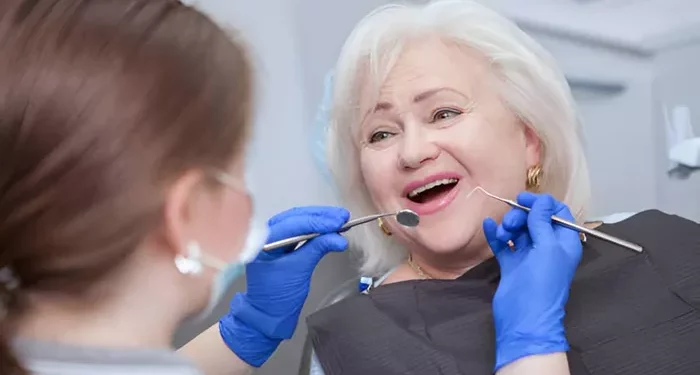
Access to dental care remains out of reach for millions of older Americans, particularly in rural and low-income communities. As the nation’s population ages, health providers warn that gaps in Dental Services are leaving vulnerable seniors at risk of pain, disease and declining quality of life.
For retirees like Mr. Jones, a veteran living in rural Mississippi, barriers to care are both practical and financial. Limited transportation, reduced income and the loss of employer-sponsored dental benefits have made routine treatment difficult. The nearest Veterans Affairs facility is too far to reach on foot. “I would always be in pain if it weren’t for you,” he said, describing the relief provided by occasional community outreach clinics.
His story reflects a broader national challenge. By 2030, nearly one in five Americans will be 65 or older. While more seniors are keeping their natural teeth longer than previous generations, significant oral health problems persist. About 13% of adults aged 65 and older have untreated tooth decay. Among those aged 65 to 74, 11.4% have lost all their teeth — a figure that rises to nearly 20% for people 75 and older.
In Mississippi, the situation is more severe. More than half of seniors experience significant tooth loss, and one in five lives below the poverty line. Across rural regions nationwide, roughly 40% of adults have not seen a dentist in over a year.
Health experts stress that oral care is closely linked to overall health. Untreated dental disease can worsen chronic conditions such as diabetes and heart disease. Many medications prescribed for these illnesses cause dry mouth, increasing the risk of cavities and gum disease.
Providers working in underserved areas say improving access requires coordinated community efforts. In Mississippi, partnerships among dentists, nonprofits, public health agencies and faith-based volunteers have helped extend services beyond traditional clinics. Programs supported by philanthropic organizations, including the Delta Dental Community Care Foundation, have funded mobile clinics and outreach events at senior centers.
These initiatives aim to remove practical barriers. Mobile Dental Services bring treatment directly to communities with limited transportation options. Senior centers and assisted living facilities host on-site care days, reducing travel challenges. Outreach programs also focus on preventive education to address health literacy gaps and rebuild trust in the healthcare system.
Dentists involved in these efforts say adapting clinical practices is equally important. Longer appointment times can accommodate mobility limitations and sensory impairments. Staff training in clear communication helps ease anxiety among patients who may have longstanding fears of dental procedures. Offices are also coordinating more closely with primary care providers to manage patients with complex medical conditions.
Financial accessibility remains a critical issue. Providers are exploring Medicaid reimbursement options and grant-funded programs to offset costs for low-income seniors. Accurate documentation and streamlined billing processes are essential to sustain these efforts.
Public health advocates argue that as the senior population grows, expanding Dental Services in rural and underserved communities must become a national priority. Without targeted interventions, they warn, millions of older Americans could continue to suffer preventable pain and worsening health conditions.
For providers on the front lines, the mission extends beyond treating teeth. It is about restoring dignity, improving nutrition and enabling seniors to remain active in their communities — one patient at a time.