


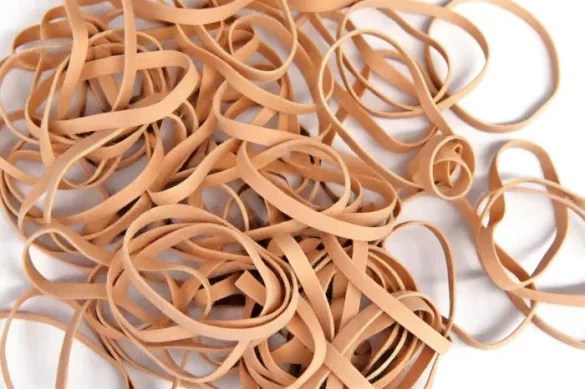
braces elastics, often known as orthodontic rubber bands, are key tools in modern orthodontic treatment. While braces gradually move teeth into better positions, elastics add another dimension: they apply extra force to shift teeth and correct jaw alignment in ways braces alone cannot achieve. Understanding how these small but important components work is crucial for anyone undergoing orthodontic treatment.
What Are braces elastics?
braces elastics are small rubber bands specifically designed for orthodontic use. Unlike the colorful ligature bands that hold the archwire in place on each bracket, elastics for braces, also known as orthodontic elastics, are larger and more robust. They connect specific brackets on your upper and lower teeth, stretching across the jaw to create targeted pressure. They are typically made of medical-grade latex, but latex-free versions are available for those with allergies.
How Do braces elastics Work?
braces elastics work by applying precise, continuous force where it is needed. The orthodontist calculates which teeth and jaws require movement, and plans an elastic configuration to produce that motion.
Tiny hooks on selected brackets serve as anchors for these elastics. Patients are responsible for placing the bands between designated upper and lower teeth, or sometimes between different teeth on the same jaw. When stretched between brackets, the elastics produce a gentle but constant tension. This tension encourages the teeth and jaw to move toward the desired positions over time. Elastic layouts are not one-size-fits-all—each patient receives a unique plan depending on the kind of bite correction needed.
Types of orthodontic elastics
orthodontic elastics come in different types and strengths. The most common categories include:
class II elastics
These help correct overbites by connecting upper front teeth to lower back teeth. The force moves the lower jaw forward or the upper jaw backward to improve bite alignment.
class III elastics
These are used for underbites, linking lower front teeth with upper back teeth. The pressure helps move the upper jaw forward or the lower jaw backward.
Crossbite Elastics
These bands are arranged diagonally to address crossbites, where teeth are misaligned from side to side.
Box and triangle elastics
Box or triangle setups connect several adjacent teeth, usually to close spaces or adjust the way teeth touch.
Orthodontists may also design custom configurations based on the anatomy and treatment needs of each patient’s mouth.
The Process of Wearing Elastics
Patients are expected to place elastics as instructed by the orthodontist. Typically, elastics are removed during meals or brushing, and replaced with fresh bands afterward. Consistency is critical: elastics need to be worn as many hours a day as directed, usually at least 20–22 hours. You may need to change them multiple times daily, as they lose tension after stretching and chewing.
Proper placement is vital. Each band is hooked onto specific brackets—attaching to the wrong ones can hinder progress, or even create dental problems. Orthodontists usually provide a hook tool and clear instructions, ensuring that patients know exactly where and how to apply their elastics.
Why Are Elastics Important for bite correction?
Braces alone straighten teeth, but bite correction often requires more. Elastics are the key to fixing complex bite problems like overbites, underbites, and crossbites. They help guide the jaw itself, improving not only the smile but also the way teeth fit together when you chew, speak, and rest. The extra force produced by elastics encourages bone and tissue remodeling, allowing for changes that would not occur with braces alone.
By aligning the bite properly, elastics contribute to better oral health overall. Improper bite relationships can lead to jaw pain, tooth wear, and even difficulty eating. orthodontic elastics tackle these challenges head-on, improving both appearance and function.
When Are Elastics Introduced in Treatment?
Elastics are typically added several months into orthodontic therapy, after the teeth have started to shift into place. Your orthodontist monitors your progress at regular appointments and introduces elastics when you are ready to address bite correction. The strength and size of your elastics will depend on your individual tooth and jaw needs. Some patients start with light force bands, gradually moving to heavier bands as the mouth adapts.
How Long Must You Wear braces elastics?
The duration of elastic wear varies widely. Minor corrections might need just three to six months, while major bite alignment can require a year or more. Consistency is crucial—skipping days or removing elastics too often will slow progress and may even reverse some changes already made.
Most orthodontists recommend wearing elastics 20–22 hours per day, only removing them for meals and brushing. After completing braces and elastics treatment, many patients use retainers to help preserve their new, improved alignment.
Common Challenges and Solutions
Patients may experience discomfort when first adjusting to elastics. Soreness is common in the first few days, indicating that the bands are working. Over-the-counter pain relief, dental wax, and warm saltwater rinses can help ease discomfort. After the mouth adapts, wearing elastics should become routine and painless.
Frequent band replacement is essential. Elastics lose their tension quickly, so always carry extras. If a band snaps or wears out, replace it promptly to ensure steady progress. Avoid overstretching the bands, as weakened elastics cannot provide effective force.
Mistakes to Avoid When Using braces elastics
- Attaching elastics to the wrong brackets
- Overstretching bands
- Not replacing broken or loose elastics
- Inconsistent wear
These mistakes can delay treatment or cause unwanted tooth movement. Following instructions closely will produce the best result in the shortest possible time.
Care and Maintenance of orthodontic elastics
Keep elastics in a clean, dry location and replace them as directed. Avoid sticky foods that can dislodge bands, and be careful with hard objects that might damage them. After meals, remove elastics, brush, and use fresh bands to maintain elasticity and hygiene. Regular visits to your orthodontist allow for monitoring and adjustments throughout treatment.
The Cost and Role of Elastics in Braces Treatment
Elastics are typically included as part of your overall braces treatment plan. Most orthodontic practices do not charge extra for routine bands, though replacements may cost a small fee. The flexibility, effectiveness, and affordability of elastics make them an essential tool in achieving the best orthodontic outcomes.
Conclusion
braces elastics are small but powerful tools for correcting bite alignment and achieving a healthy, beautiful smile. They work alongside traditional braces to produce efficient, targeted movement that braces alone cannot deliver. Success depends on patient cooperation: following your orthodontist’s instructions for placement, wear time, and replacement will ensure that treatment progresses smoothly. With consistent use and proper care, elastics can dramatically improve dental function and appearance, setting you on the path toward lasting oral health.
FAQs
Do braces elastics Hurt?
Mild discomfort is common at first, but pain typically fades as your mouth adjusts. If pain persists, consult your orthodontist.
How Often Should I Change My Elastics?
Elastics should be replaced at least daily, and sometimes multiple times per day, to ensure consistent tension.
Can I Eat With braces elastics On?
It is best to remove elastics during meals to prevent dislodgement and contamination, then replace them with fresh bands afterward.
What Happens if I Skip Wearing Elastics?
Skipping elastics can delay or even reverse your progress. Always follow your orthodontist’s instructions for best results.