


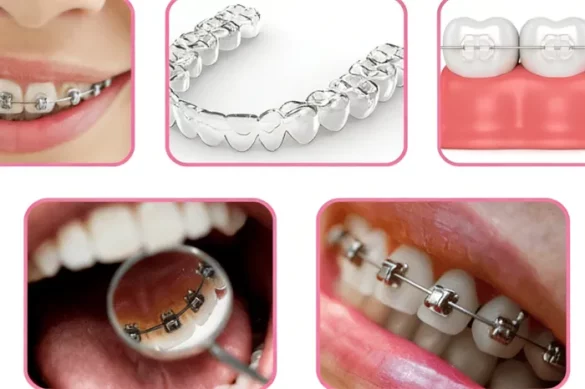
A growing number of adults are choosing braces to improve their smiles and dental health. One common question is how long braces take to deliver results in adults. Understanding the typical timeline and the factors that influence it is important for making informed decisions about orthodontic care.
What Determines How Long Adults Wear Braces?
Orthodontic treatment is always individualized. For adults, the duration of wearing braces can range from as little as six months to as long as three years. Most adults can expect to wear braces for 12 to 36 months. The precise length of time depends on several key factors, including how complex your orthodontic problems are, the type of braces you use, your age, and your dedication to following the orthodontist’s instructions.
Severity and Complexity of the Dental Issue
The more severe or complicated a dental problem is, the longer it usually takes to correct. Minor cases, such as slight crowding or spacing, may require just six to twelve months of treatment. However, serious crowding, large gaps, or significant bite issues like overbites, crossbites, or underbites can increase the treatment period. In these cases, the process can take up to 24 or even 36 months. Every patient’s mouth is different, so your orthodontist will provide a personalized estimate after a full dental assessment.
The Patient’s Age and Jaw Structure
Age does play a role, but perhaps not as much as most people think. Adults’ jaws are fully formed and the bone around the teeth is typically denser, which sometimes makes tooth movement slower compared to teenagers. However, recent advances in orthodontics help manage these challenges better and can reduce the difference in treatment time between adults and younger patients.
Types of Braces and Their Impact on Treatment Time
Today’s adults can choose from a variety of orthodontic appliances, and the choice can influence how long treatment takes.
Traditional Metal Braces
Metal braces use brackets and wires to gently shift teeth into position. For adults, this option is often the most effective and predictable, especially for complex cases. most adults wear metal braces for about 12 to 24 months. Severe conditions may extend treatment to three years, but routine adjustments every 4 to 8 weeks help ensure progress remains steady.
Ceramic Braces
Ceramic braces function much like metal braces but are less noticeable thanks to tooth-colored materials. They generally offer similar treatment timelines to metal braces. For minor corrections, ceramic braces may require 12 to 18 months, while complex adjustments can take up to 36 months. Because they can be a little less durable, occasional breakages could add to your treatment time if not managed promptly.
Lingual Braces
Lingual braces are attached behind the teeth, making them invisible from the outside. They are often chosen by adults who prefer discretion. While effective, lingual braces can take longer to work—typically 18 to 36 months—because adjustments are more complicated and tooth movement tends to be slower.
Clear Aligners
Clear aligners such as Invisalign® are popular among adults who want a nearly invisible treatment method. These trays are custom made and replaced every 1–2 weeks as teeth gradually move. For cases of mild to moderate dental misalignment, clear aligners typically require 6 to 18 months of use. For more advanced issues, treatment could last up to two years. The speed of results depends on wearing the aligners for 20 to 22 hours per day, as prescribed by your orthodontist.
The Role of Compliance in Treatment Time
Patient cooperation is a major factor in how long it takes to complete braces treatment. Sticking closely to the orthodontist’s recommendations keeps progress on track. Missing appointments, failing to maintain good oral hygiene, or not wearing your aligners as directed can delay results. For people with traditional or ceramic braces, eating very hard or sticky foods can break brackets or wires, adding time to the treatment. Good compliance means steady movement of teeth and predictable outcomes.
What to Expect During Treatment
The orthodontic process begins with a detailed consultation, including dental X-rays and digital scans, to create a customized plan. Regular appointments every four to eight weeks are crucial for adjustments and for monitoring your progress. Some discomfort is common after adjustments, but it usually fades within a few days. As your teeth move, you will notice gradual improvements in the alignment and appearance of your smile.
Braces After-Care and Maintaining Results
Once braces are removed, treatment is not completely finished. Teeth can shift back to their original positions without proper retention. Most adults will need to wear a retainer full-time for several months, then just at night, to maintain their straight teeth. Your orthodontist will advise on the best retention strategy for you. Retainers are an essential part of preventing relapse and protecting the investment you made in your smile.
Technology and Modern Orthodontics
Recent advances in 3D imaging, digital planning, and special devices have made treatment even more precise. Some orthodontists now use high-frequency vibration devices or accelerated techniques that can help shorten overall treatment time. These tools allow for more individualized plans, and often, more predictable results.
Emotional and Social Considerations
Many adults are concerned about how braces may look or affect daily life. Fortunately, there are discreet options such as ceramic, lingual, and clear aligners that can fit your personal and professional needs. The confidence gained from a healthier and more beautiful smile can be well worth the short-term inconvenience.
Choosing the Right Orthodontic Provider
Selecting a knowledgeable, experienced orthodontist is essential for efficient treatment. Look for a provider who has experience with adult patients and is transparent about what you can expect from treatment. Ask about all appliance options and discuss which fits your dental needs, aesthetic preferences, and lifestyle best. Personalized care ensures the process is smooth and the results are lasting.
Conclusion
For most adults, braces are a manageable and effective way to improve the function and appearance of their smile. While treatment duration varies, most adults wear braces between one and three years. The total time depends on several important factors: the complexity of your dental issues, the type of braces chosen, your age, and your compliance with treatment recommendations. Advances in orthodontics and a commitment to proper care can help you achieve the results you want in the shortest possible time. Begin your orthodontic journey today by consulting with a qualified specialist.
Frequently Asked Questions
How long does the average adult wear braces?
Most adults wear braces from 12 to 24 months, but up to 36 months may be needed for complex issues.
Can adults straighten teeth faster than children?
Children and teens usually complete treatment more quickly due to their developing jawbones. Adults may need a bit more time, mostly when dental issues are complex.
Which type of braces is fastest for adults?
Metal and ceramic braces generally work fastest on complex cases because they provide strong, constant pressure. Minor corrections might be completed faster with clear aligners if worn as prescribed.
Why is compliance important in adult braces treatment?
Not following orthodontist instructions can slow progress, extend the timeline, or even reverse results. Good compliance ensures optimal outcomes in the shortest time possible.
Do all adults need to wear retainers after braces?
Yes, retainers help keep teeth in their new positions and prevent them from shifting back. Lifelong nighttime use is often recommended for lasting results.