


An overbite is a common dental issue where the upper front teeth overlap the lower front teeth. It can be mild or severe. Overbites affect chewing, speech, and oral health. Orthodontists carefully assess each case before planning treatment.
Types of Overbites
There are two main types of overbites: skeletal and dental. Skeletal overbites occur due to jawbone structure. Dental overbites result from misaligned teeth. Identifying the type is essential for effective treatment.
Causes of Overbites
Overbites can develop from genetics, childhood habits, or jaw growth problems. Thumb sucking, prolonged pacifier use, and tongue thrusting may also contribute. Early detection helps prevent severe complications later.
Initial Assessment by an Orthodontist
Before treatment, orthodontists conduct a comprehensive examination. This includes dental X-rays, photographs, and impressions of the teeth. They evaluate jaw alignment, tooth spacing, and bite function to create a personalized treatment plan.
Diagnostic Tools
X-rays help orthodontists see bone structure. Impressions or digital scans show teeth alignment. Photographs record facial and dental features. These tools allow precise planning for correcting overbites.
Evaluating Bite Severity
Overbite severity is measured in millimeters or percentage overlap. Mild overbites may need minor adjustment. Severe cases often require more complex treatments. Orthodontists consider age, growth stage, and dental health.
Orthodontic Treatments for Overbites
Treatment depends on age, severity, and type of overbite. Orthodontists may use braces, clear aligners, or other devices. Each method gradually moves teeth and corrects jaw alignment.
Braces for Overbite Correction
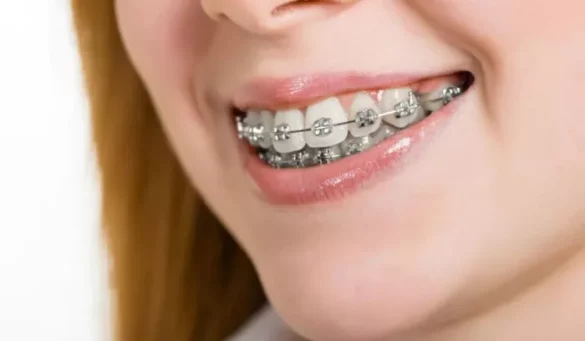
Braces are the most common solution. Metal or ceramic brackets attach to teeth. Wires and elastics apply gentle pressure to move teeth. Braces can fix both dental and mild skeletal overbites over time.
Braces Procedure
1. Brackets are bonded to teeth.
2. Archwires connect brackets to guide teeth.
3. Elastic bands adjust bite position.
4. Regular adjustments ensure progress.
5. Treatment lasts 12-36 months depending on severity.
Clear Aligners for Overbite
Clear aligners, like Invisalign, are popular for mild to moderate overbites. Custom trays gradually move teeth. Aligners are removable, making oral hygiene easier. Orthodontists provide a series of trays to use over months.
Clear Aligner Process
1. Digital scan of teeth creates a treatment plan.
2. Series of aligners are manufactured.
3. Patient wears aligners 20-22 hours daily.
4. Progress is monitored every 4-6 weeks.
5. Retainers maintain results after treatment.
Other Orthodontic Devices
Some cases require additional devices to correct jaw growth. These include:
Headgear: Used to control upper jaw growth in children.
Palatal Expanders:Widen the upper jaw to reduce overbite.
Functional Appliances: Guide jaw development in growing patients.
Surgical Options for Severe Overbites
Severe skeletal overbites may need surgery. Orthognathic surgery corrects jaw alignment. This is usually recommended for adults whose jaw growth is complete.
Jaw Surgery Procedure
The surgeon repositions the upper or lower jaw to improve bite function and facial balance. Surgery is combined with braces for optimal results. Recovery may take several weeks, and follow-up care is essential.
Post-Surgical Orthodontics
After surgery, braces fine-tune teeth position. Orthodontists ensure proper bite alignment and aesthetic results. Regular visits help monitor progress and prevent relapse.
Retention After Overbite Correction
After treatment, retention is critical. Teeth can shift back without retainers. Orthodontists provide removable or fixed retainers to maintain bite alignment. Compliance ensures long-term success.
Types of Retainers
Removable Retainers: Worn at night, easy to clean.
Fixed Retainers: Bonded behind teeth for continuous support.
Preventing Overbites in Children
Early intervention helps prevent severe overbites. Orthodontists recommend:
- Regular dental check-ups from age 7.
- Addressing habits like thumb sucking early.
- Monitoring jaw growth and teeth alignment.
Benefits of Correcting Overbites
Fixing an overbite improves:
- Chewing efficiency
- Speech clarity
- Oral health by reducing wear and gum damage
- Facial appearance and confidence
Challenges During Treatment
Patients may experience discomfort, dietary restrictions, and oral hygiene challenges. Orthodontists provide guidance to manage these issues effectively. Regular adjustments and compliance are key to success.
Choosing the Right Orthodontist
Selecting a qualified orthodontist ensures proper care. Look for board certification, experience with overbites, and positive patient reviews. Consultation allows discussion of options, duration, and costs.
Conclusion
Orthodontists fix overbites through a combination of braces, aligners, appliances, and sometimes surgery. Early diagnosis, personalized treatment plans, and retention ensure long-term success. Correcting an overbite improves oral health, appearance, and overall well-being.