


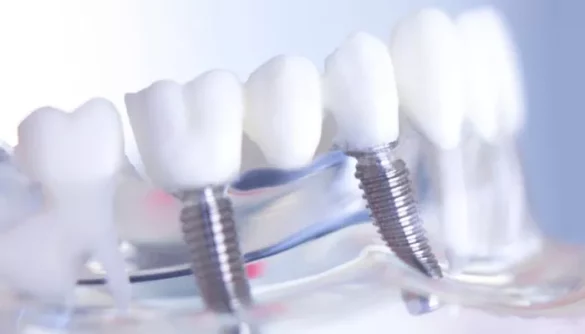
Dental implants have become a common solution for replacing missing teeth. Unlike dentures or bridges, implants are surgically placed into the jawbone, acting as artificial tooth roots. They provide stability, preserve bone health, and restore the appearance of natural teeth. Many patients ask how long implants can last in the mouth. Understanding the lifespan of implants involves examining their materials, placement techniques, oral hygiene practices, and individual health conditions.
Structure and Composition of Dental Implants
A dental implant is composed of three main parts: the implant post, the abutment, and the crown.
The Implant Post
The implant post is typically made from titanium or titanium alloy. Titanium is biocompatible, meaning it integrates well with the jawbone through a process called osseointegration. This fusion provides the foundation for the implant and is critical for its long-term stability.
The Abutment
The abutment connects the implant post to the dental crown. It is usually made of titanium, zirconia, or other durable materials. The quality and fit of the abutment can influence the overall longevity of the implant.
The Dental Crown
The crown is the visible part of the implant that resembles a natural tooth. It is commonly made from porcelain, ceramic, or zirconia. While crowns are durable, they may require replacement every 10 to 15 years due to wear or aesthetic concerns, unlike the implant post, which can last much longer.
Average Lifespan of Dental Implants
Dental implants are known for their durability. On average, a well-placed implant can last 20 to 30 years or even a lifetime under optimal conditions. Studies show a success rate of over 95% after 10 years. Factors such as oral hygiene, medical conditions, and lifestyle choices influence this longevity.
Immediate vs Long-Term Success Rates
Immediately after placement, dental implants have a high success rate if proper surgical techniques are used. Long-term success depends on osseointegration, proper maintenance, and avoiding complications such as infections or implant fractures. Regular dental visits are essential for monitoring implant health over time.
Factors Affecting Implant Longevity
Several factors can affect how long dental implants last in your mouth.
Oral Hygiene
Maintaining good oral hygiene is critical for implant success. Brushing twice daily, flossing, and using antibacterial mouth rinses help prevent gum disease and peri-implantitis, a condition that can cause implant failure. Neglecting oral hygiene can significantly reduce the lifespan of an implant.
Bone Quality and Quantity
The quality and density of jawbone play a crucial role in implant stability. Patients with sufficient bone mass usually experience longer-lasting implants. Bone grafting may be necessary in cases of bone loss, which can improve the success rate of the implant.
Medical Conditions
Conditions such as diabetes, osteoporosis, and autoimmune diseases can affect bone healing and increase the risk of implant failure. Proper management of these conditions before and after implant surgery can enhance implant longevity.
Lifestyle Habits
Smoking, excessive alcohol consumption, and poor diet can negatively impact implant success. Smoking, in particular, reduces blood flow to the gums, delaying healing and increasing the risk of implant failure. Patients who quit smoking before surgery have better long-term outcomes.
Implant Placement and Surgical Technique
Successful implant placement relies on precise surgical technique. Surgeons must carefully evaluate jaw anatomy, avoid nerves, and place the implant at the correct angle. Advanced imaging, such as 3D scans, can improve accuracy and reduce complications.
Signs Your Implant May Need Attention
Even with proper care, implants may encounter issues. Early detection of problems can save the implant.
Pain or Discomfort
Persistent pain around the implant site may indicate infection, poor healing, or implant loosening. Consulting a dentist promptly is essential to prevent further complications.
Inflammation or Swelling
Swelling, redness, or bleeding around the implant may be a sign of peri-implantitis. This condition can damage the supporting bone if left untreated.
Implant Mobility
A healthy implant should remain firmly anchored in the bone. Mobility can indicate bone loss, failed osseointegration, or mechanical issues with the implant components. Immediate dental evaluation is necessary.
Maintenance Tips for Long-Lasting Implants
Proper care can extend the lifespan of dental implants and ensure oral health.
Regular Dental Checkups
Visiting the dentist every six months allows for early detection of problems. X-rays and professional cleaning help maintain the health of the surrounding bone and gum tissue.
Daily Oral Hygiene
Brush implants twice daily with a soft-bristle toothbrush and non-abrasive toothpaste. Use floss or interdental brushes to clean between implants and natural teeth to prevent plaque buildup.
Healthy Lifestyle Choices
Maintain a balanced diet rich in vitamins and minerals to support bone health. Avoid smoking and excessive alcohol consumption to reduce risks of implant complications.
Protect Against Physical Trauma
Wear a mouthguard during sports or activities that could cause dental injuries. Avoid using implants to bite hard objects such as ice or hard candies, which can damage the crown or abutment.
Potential Complications and How They Affect Longevity
Although dental implants are highly successful, complications can occur, affecting their lifespan.
Peri-Implantitis
This is an inflammatory condition of the gums surrounding the implant. It can cause bone loss and, if untreated, implant failure. Early treatment with professional cleaning, antibiotics, or surgery can save the implant.
Mechanical Failures
Implant components can occasionally break or loosen. Crowns may wear down, abutments may fracture, and screws can loosen over time. Prompt repair can prevent complete implant failure.
Bone Loss
Bone resorption around the implant reduces stability. Regular dental checkups and imaging help detect early bone loss, allowing interventions such as bone grafting or regenerative treatments.
Comparison with Other Tooth Replacement Options
Dental implants differ from other tooth replacement methods in terms of lifespan and durability.
Implants vs Dentures
Dentures typically last 5 to 10 years and may require adjustments over time. Implants, by contrast, can last decades, offering superior stability and chewing efficiency.
Implants vs Bridges
Bridges usually last 10 to 15 years and depend on adjacent teeth for support. Implants preserve bone and do not compromise neighboring teeth, making them a longer-lasting solution.
Cost Considerations and Lifespan
The upfront cost of dental implants is higher than other options. However, considering their long lifespan, implants can be more cost-effective in the long term. Replacing dentures or bridges multiple times may exceed the one-time investment in implants.
Conclusion
Dental implants offer a durable, long-lasting solution for missing teeth. With proper care, most implants can last 20 to 30 years or even a lifetime. Factors such as oral hygiene, bone quality, medical conditions, lifestyle, and surgical technique play a critical role in longevity. Regular dental visits, proper maintenance, and a healthy lifestyle can ensure that implants remain functional and aesthetically pleasing for decades. Choosing implants is not only an investment in your smile but also in your long-term oral health.