


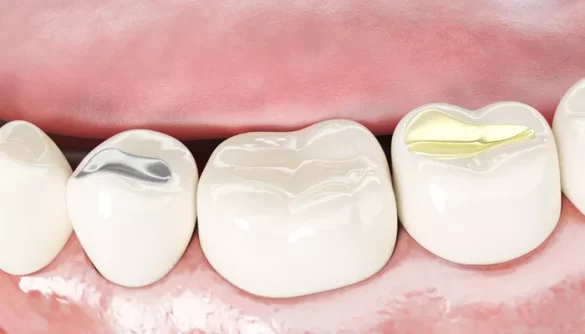
Tooth colored fillings, also known as composite resin fillings, are popular in modern dentistry. They provide a natural look that blends with your teeth and are ideal for repairing cavities. Unlike traditional metal fillings, they match your tooth color, making them aesthetically pleasing.
Understanding how long these fillings last is essential for planning dental care. Their durability can be influenced by oral hygiene, lifestyle habits, and overall dental health.
Materials Used in Tooth Colored Fillings
Composite Resin
Composite resin is the most common material for tooth colored fillings. It consists of a mixture of plastic and fine glass particles, providing strength and a natural appearance. This material bonds directly to the tooth, helping to preserve healthy tooth structure.
Glass Ionomer
Glass ionomer fillings are less common but useful for specific cases, such as filling cavities in children or areas below the gum line. They release fluoride, which can help prevent further decay and support gum health. However, they are generally less durable than composite resin.
Average Lifespan of Tooth Colored Fillings
The lifespan of tooth colored fillings can vary widely. On average, composite fillings last between 5 to 10 years. With excellent care, some fillings can last up to 15 years or more. Factors that influence longevity include bite force, location of the filling, and the patient’s oral habits.
Location of the Filling
Fillings in molars, which endure heavy chewing, may wear out faster than those in front teeth. The back teeth experience more pressure, increasing the likelihood of cracks or fractures over time.
Size of the Filling
Larger fillings cover more surface area and are subject to more stress. Consequently, they may have a shorter lifespan compared to smaller, simpler fillings.
Factors Affecting Longevity
Oral Hygiene
Maintaining good oral hygiene is critical for the longevity of tooth colored fillings. Brushing twice daily, flossing, and using an antibacterial mouthwash help prevent decay around the filling. Poor hygiene can lead to gum disease, which may compromise the filling and surrounding teeth.
Diet and Lifestyle
Foods high in sugar or acid can weaken fillings and contribute to tooth decay. Grinding teeth, chewing ice, and other habits put extra stress on fillings, reducing their lifespan.
Regular Dental Checkups
Routine dental exams allow dentists to detect early signs of wear, cracks, or leakage in fillings. Early intervention can prevent the need for more extensive treatments like crowns or root canals.
Signs Your Filling Needs Replacement
Visible Cracks or Chips
Composite fillings can crack or chip due to pressure or age. Even small cracks can allow bacteria to enter, leading to decay.
Tooth Sensitivity
Increased sensitivity to hot, cold, or sweet foods may indicate a compromised filling. Sensitivity could also be a symptom of underlying issues, including gum disease or decay beneath the filling.
Discoloration or Staining
Over time, composite resin can become discolored due to foods, beverages, or smoking. While cosmetic changes are not always harmful, significant staining might indicate the filling is deteriorating.
Recurring Decay
Decay can form around or under fillings. If your dentist detects new cavities near an old filling, replacement is necessary to protect the tooth.
Maintaining Your Tooth Colored Fillings
Proper Brushing and Flossing
Use a soft-bristled toothbrush and fluoride toothpaste to clean your teeth gently but thoroughly. Flossing removes food particles and plaque from areas that a toothbrush cannot reach, reducing the risk of gum disease and decay.
Avoiding Damaging Habits
Refrain from chewing hard objects like ice or pens. Avoid grinding teeth, or use a night guard if recommended by your dentist. These precautions reduce stress on fillings and extend their lifespan.
Regular Dental Visits
Schedule checkups at least every six months. Dentists can monitor the condition of your fillings, identify early signs of wear, and provide professional cleaning to maintain oral health.
Comparison with Other Types of Fillings
Amalgam Fillings
Amalgam fillings, made of silver, tin, and mercury, can last 10–15 years or more. They are very durable but less aesthetically pleasing than composite fillings. Patients often prefer tooth colored fillings for front teeth for cosmetic reasons.
Gold Fillings
Gold fillings are extremely durable, often lasting 20 years or more. However, they are expensive and highly visible, making them less popular than composite resin for aesthetic purposes.
Potential Complications of Tooth Colored Fillings
Tooth Sensitivity
After placement, teeth may be sensitive to temperature or pressure. This sensitivity usually subsides within a few days to weeks. Persistent sensitivity may indicate issues such as an improper bite or decay under the filling.
Gum Disease Risks
Improperly maintained fillings can contribute to plaque buildup along the gum line, increasing the risk of gum disease. Inflammation or bleeding gums around a filling should prompt a dental visit to prevent further complications.
Filling Failure
Composite fillings may wear down, chip, or separate from the tooth. Early detection is critical to prevent decay or infection, which could necessitate more complex treatments like crowns or root canals.
Replacing Tooth Colored Fillings
When Replacement is Necessary
Fillings should be replaced if they show signs of damage, decay, or leakage. Replacing a filling early can prevent the need for more extensive dental procedures.
Procedure for Replacement
The old filling is removed, and the cavity is cleaned. A new composite filling is then applied in layers and hardened using a special light. The tooth is shaped and polished for a natural appearance.
Advancements in Tooth Colored Fillings
Modern composite resins are stronger and more resistant to wear than previous generations. Innovations in bonding techniques and materials have extended the lifespan of fillings and improved their aesthetic quality. Research continues to enhance their durability and minimize risks of sensitivity or failure.
Tips for Extending the Life of Your Fillings
- Brush twice daily and floss regularly to prevent decay and gum disease.
- Limit consumption of sugary and acidic foods and drinks.
- Avoid habits that put excessive pressure on teeth, such as chewing ice or grinding.
- Attend regular dental checkups for early detection of issues.
- Use fluoride treatments if recommended to strengthen teeth.
Conclusion
Tooth colored fillings are a reliable and aesthetic solution for restoring teeth affected by decay or damage. On average, they last 5 to 10 years, with some lasting up to 15 years with proper care. Factors such as oral hygiene, diet, dental habits, and regular checkups significantly affect their longevity. By following good dental practices and monitoring for signs of wear or decay, you can maximize the life of your fillings and maintain healthy teeth and gums for years to come.