


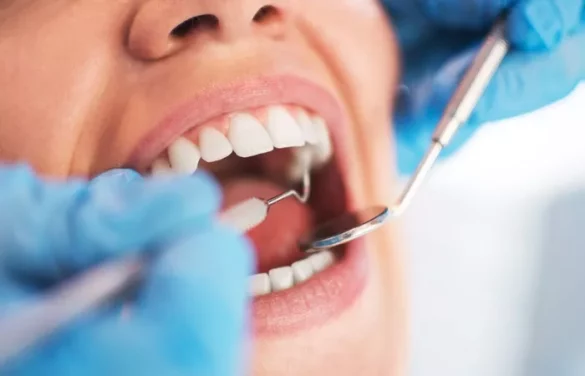
Periodontal surgery is a dental procedure performed to treat advanced gum disease. It aims to reduce pockets around teeth, remove infected tissue, and promote healthier gums. While the procedure is effective, recovery requires proper care and patience. Understanding the recovery timeline is essential for patients to manage expectations and optimize healing.
Types of Periodontal Surgery
Flap Surgery (Pocket Reduction)
Flap surgery involves lifting the gums to remove bacteria and tartar from deep periodontal pockets. The gums are then sutured back into place. Recovery usually involves initial discomfort, swelling, and sensitivity, which can last up to a week.
Bone Grafting
Bone grafting is used to restore bone lost due to periodontitis. Grafts may use the patient’s bone, donor bone, or synthetic material. Recovery often takes longer, ranging from two to six weeks, as the bone integrates with the existing jaw structure.
Gum Grafting
Gum grafting addresses gum recession and protects tooth roots. Tissue is taken from the palate or donor tissue is used. Recovery includes tenderness, swelling, and slight bleeding. Complete healing usually takes two to four weeks, though full tissue integration may take longer.
Guided Tissue Regeneration
This procedure uses a barrier membrane to encourage bone and tissue regrowth. Recovery time varies but typically ranges from four to six weeks. Patients may experience minor discomfort and should follow strict oral hygiene instructions.
How Long Does It Take to Recover from Periodontal Surgery
1. Immediate Post-Surgery Recovery
The first 24 to 48 hours after periodontal surgery are critical. Patients may experience swelling, mild bleeding, and discomfort. Cold compresses and prescribed medications help manage pain and inflammation. It is important to avoid strenuous activities and follow the dentist’s instructions during this period.
Pain Management
Over-the-counter pain relievers such as ibuprofen are commonly recommended. In some cases, stronger prescription medications may be necessary. Avoid aspirin, as it may increase bleeding.
Swelling and Bruising
Swelling usually peaks within 48 hours and then gradually subsides. Applying a cold compress during the first 24 hours helps reduce inflammation. Warm saltwater rinses may be recommended after the first day to promote healing.
2. First Week Recovery
During the first week, patients should maintain gentle oral hygiene practices. Soft foods are advised to prevent irritation. Swelling and discomfort usually decrease, but the surgical site remains sensitive. Avoid smoking and alcohol, as they can delay healing.
Diet and Nutrition
Soft, nutritious foods like yogurt, mashed potatoes, and soups support healing. Avoid crunchy, spicy, or hot foods that may irritate the surgical area. Hydration is also crucial during this period.
Oral Hygiene Practices
Brushing and flossing near the surgical site should be gentle. Antibacterial mouth rinses may be recommended to reduce the risk of infection. Following the dentist’s instructions closely is vital for optimal recovery.
3. Two to Four Weeks Post-Surgery
By the second week, swelling and discomfort usually diminish. Sutures, if non-dissolvable, may be removed within this period. Gum tissue begins to stabilize and initial healing is noticeable. Patients may return to normal eating habits gradually.
Follow-Up Appointments
Follow-up visits are essential to monitor healing and ensure there are no complications. Dentists check for infection, tissue health, and proper attachment of gums to teeth. Any persistent pain or unusual symptoms should be reported immediately.
4. One to Three Months Post-Surgery
During this period, tissue remodeling continues. Bone grafts and regenerative procedures may show initial integration. Patients may notice tighter gums and reduced periodontal pockets. Regular dental cleaning and maintenance are essential to sustain results.
Long-Term Healing
Full recovery from periodontal surgery can take up to three months or longer, depending on the procedure and individual health. Smoking, diabetes, and poor oral hygiene can prolong healing. Patience and consistent care are key to achieving the best outcomes.
Factors Affecting Recovery Time
Type of Procedure
More invasive procedures like bone grafts and flap surgeries require longer recovery than minor soft tissue procedures. Understanding the specific surgery helps predict the recovery timeline.
Patient’s Overall Health
Chronic conditions such as diabetes, heart disease, or compromised immunity can slow healing. Good general health promotes faster recovery and reduces complications.
Oral Hygiene
Maintaining excellent oral hygiene accelerates healing. Failure to follow dentist recommendations increases the risk of infection, prolonging recovery.
Lifestyle Factors
Smoking, alcohol consumption, and poor diet negatively impact recovery. Patients who adopt healthy habits tend to heal faster and experience fewer complications.
Signs of Normal Healing
Patients should expect mild swelling, tenderness, and minor bleeding initially. Gradual improvement in gum firmness, color, and tissue attachment indicates healthy healing. Any persistent pain or excessive bleeding warrants immediate dental evaluation.
Signs of Complications
Complications include persistent swelling, severe pain, pus discharge, and fever. These may indicate infection or failed grafting. Early intervention by a dental professional is crucial to prevent further issues.
Tips to Promote Faster Recovery
Follow Dentist Instructions
Take prescribed medications on time, adhere to dietary restrictions, and maintain gentle oral hygiene as instructed. Skipping steps may delay recovery.
Avoid Smoking and Alcohol
Both impair tissue healing and increase infection risk. Avoiding these substances can significantly shorten recovery time.
Eat a Balanced Diet
Rich in vitamins, minerals, and protein, a proper diet supports tissue regeneration and immune function. Soft foods reduce trauma to healing areas.
Maintain Regular Follow-Ups
Dental visits allow early detection of complications. Adjustments and interventions, if needed, are most effective when done promptly.
Conclusion
Recovery from periodontal surgery varies depending on the procedure, patient health, and care adherence. Initial healing occurs within the first two weeks, with full recovery taking one to three months. Understanding the recovery timeline and following post-operative instructions are crucial for successful outcomes. Patients who adopt healthy habits, maintain proper oral hygiene, and attend follow-up appointments typically experience the fastest and most effective healing.