


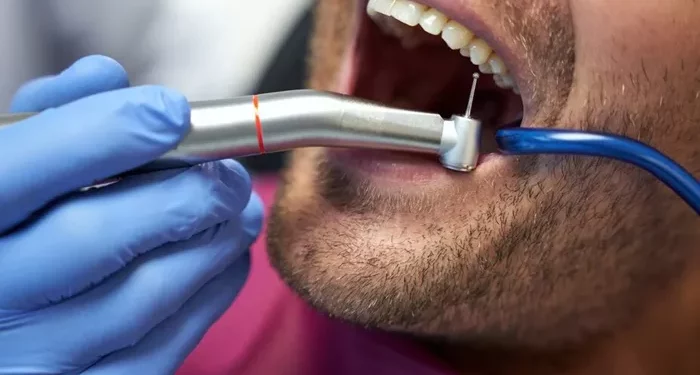
Dental fillings are a common solution for treating cavities and restoring the function of a tooth. Many patients often wonder how many fillings can be done in a single dental appointment. The answer to this question varies based on several factors, including the patient’s overall health, the extent of dental work needed, and the dentist’s judgment. In this article, we will explore the factors that influence the number of fillings that can be completed at one time, the types of fillings available, and the overall procedure.
Understanding Dental Fillings
Before diving into how many fillings can be done at once, it is essential to understand what dental fillings are. Fillings are materials used to restore teeth that have been damaged by decay or injury. The procedure involves removing the decayed part of the tooth and filling the cavity with a suitable material.
Types of Filling Materials
There are several types of filling materials used in dentistry. The most common include amalgam, composite resin, glass ionomer, and porcelain. Each material has its unique properties, benefits, and drawbacks.
Amalgam Fillings
Amalgam fillings are made from a mixture of metals, including silver, mercury, tin, and copper. They are durable and are often used for fillings in the back teeth, where chewing pressure is greatest. However, they are not aesthetically pleasing, as they have a metallic color.
Composite Resin Fillings
Composite resin fillings are tooth-colored and can be matched to the color of your natural teeth. They are often used for fillings in visible areas, such as the front teeth. While they are not as durable as amalgam fillings, advancements in technology have improved their strength significantly.
Glass Ionomer Fillings
Glass ionomer fillings release fluoride, which can help protect the tooth from further decay. They are typically used in areas where there is less chewing pressure and can be a good option for children.
Porcelain Fillings
Porcelain fillings are highly aesthetic and can be used in visible areas of the mouth. They are custom-made to match the color of the surrounding teeth. However, they tend to be more expensive than other types of fillings.
Factors Influencing the Number of Fillings
Several factors determine how many fillings can be completed in one appointment. These include the patient’s health, the extent of decay, and the dentist’s professional judgment.
Patient Health and Comfort
The overall health of the patient plays a significant role in determining how many fillings can be performed at once. If a patient has a medical condition or anxiety about dental procedures, the dentist may recommend completing fewer fillings in a single visit to reduce stress and discomfort.
Anxiety and Pain Tolerance
Patients with high anxiety levels may benefit from a more gradual approach. For these individuals, a dentist might choose to complete only one or two fillings at a time. On the other hand, if a patient has a higher pain tolerance, they may be able to undergo multiple fillings in a single session.
Extent of Tooth Decay
The extent of tooth decay is another crucial factor. If a patient has multiple cavities, the dentist will assess each one individually. If the cavities are small and manageable, the dentist may decide to fill several in one appointment. However, if some cavities are extensive or complex, it may be necessary to limit the number of fillings done at once.
Location of Cavities
The location of the cavities also affects the decision. Cavities on the back teeth might require more time and precision than those on the front teeth. Therefore, a dentist might opt to focus on fewer fillings in areas that demand greater attention.
Time Constraints
Time is another consideration. Each filling procedure takes a certain amount of time, depending on the type of filling used and the complexity of the cavity. Dentists generally have a time limit for each appointment, and if a patient has numerous cavities, it may not be feasible to complete all fillings in one visit.
Dentist’s Judgment
Ultimately, the dentist’s judgment is paramount. An experienced dentist will assess the situation, consider the patient’s needs and preferences, and recommend a course of action that ensures the best outcome. They will communicate with the patient to understand their comfort level and address any concerns about the procedure.
The Procedure for Getting Fillings
Now that we understand how many fillings can be done at once, it is helpful to review the general procedure for receiving dental fillings.
Initial Examination
The process begins with an initial examination. The dentist will review the patient’s dental history and conduct a thorough examination of the teeth. X-rays may be taken to assess the extent of decay and determine the best course of action.
Numbing the Area
Once the decision is made to proceed with fillings, the dentist will numb the area around the affected tooth using a local anesthetic. This step is essential to ensure the patient does not feel pain during the procedure.
Removing Decay
After the area is numb, the dentist will use specialized tools to remove the decayed portion of the tooth. It is crucial to eliminate all decay to prevent further issues. The dentist will then clean the cavity to prepare it for the filling.
Placing the Filling
Once the cavity is prepared, the dentist will place the filling material into the cavity. Depending on the type of filling, the dentist may need to use different techniques. For example, amalgam fillings are usually placed in layers, with each layer being compacted before the next is added. Composite fillings may require curing with a special light to harden the material.
Finishing Touches
After the filling is in place, the dentist will shape it to ensure it fits comfortably with the surrounding teeth. They may ask the patient to bite down to check the fit. Finally, the dentist will polish the filling to ensure a smooth finish.
Recovery and Aftercare
After receiving dental fillings, patients may experience some sensitivity or discomfort in the treated area.
Post-Procedure Sensitivity
It is common to feel some sensitivity after the procedure, particularly with composite fillings. This sensitivity usually subsides within a few days. If discomfort persists, it is essential to contact the dentist for further evaluation.
Aftercare Instructions
Patients are typically advised to avoid hard foods and sticky candies for the first 24 hours after getting fillings. This precaution helps ensure that the filling sets properly and does not become dislodged. Regular brushing and flossing should continue as part of maintaining overall oral health.
Conclusion
The number of fillings that can be done at once varies based on several factors, including the patient’s health, the extent of decay, and the dentist’s professional judgment. It is essential to communicate openly with your dentist about your preferences and concerns.
By understanding the procedure and the factors that influence the number of fillings, patients can feel more prepared and comfortable during their dental appointments. Whether you need one filling or several, dental professionals are equipped to provide the best care for your needs. Prioritizing your oral health and seeking timely dental treatment will help you maintain a healthy smile for years to come.