


Navigating the cost of braces can be challenging, especially when you have Kaiser insurance. Many families and individuals are unsure about what kind of orthodontic coverage is included in their health plan, how much they might need to pay out of pocket, and how different types of braces affect the overall expense. Understanding all these factors is important for making confident decisions regarding your orthodontic treatment.
Understanding Braces and Orthodontic Treatment
Braces are orthodontic devices used to straighten teeth, correct alignment issues, and improve dental health. There are several types of braces available today, ranging from traditional metal braces to newer options such as ceramic braces, lingual braces, and clear aligners like Invisalign. Each type comes with its own benefits, costs, and potential coverage options.
For most people considering orthodontic care, the decision is driven by both aesthetic and health needs. Straighter teeth can improve not only the appearance of your smile but also your ability to chew, speak, and maintain oral hygiene.
Kaiser Insurance and Orthodontic Coverage Basics
Kaiser insurance is known for comprehensive healthcare plans, but orthodontic coverage can vary widely depending on your specific policy and whether orthodontic treatment is considered medically necessary. Some Kaiser plans include partial coverage for braces, most often for children under 18 if the procedure meets set criteria. For adults, coverage is less common and may be limited to cases where braces are needed for medical reasons.
Your coverage can be affected by several factors:
- The type of Kaiser insurance plan (e.g., HMO, PPO)
- Whether you have additional dental or orthodontic riders
- The age of the patient needing braces
- The specific dental issue being treated
Reviewing your policy documents is the best way to confirm which orthodontic services are covered. If there is uncertainty, contacting Kaiser’s member support for details is recommended.
Different Types of Braces and Their Typical Costs
Orthodontic prices can range dramatically depending on the type of treatment chosen. Here are the main types of braces with their usual cost ranges:
Traditional Metal Braces
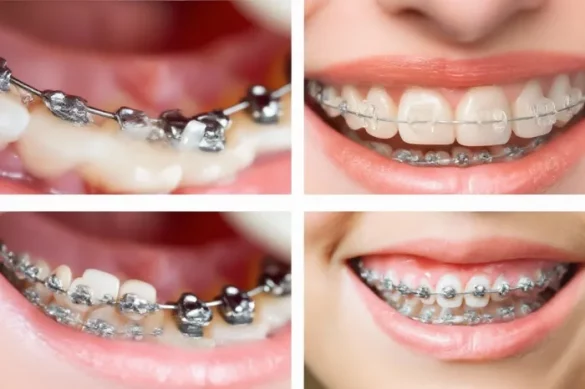
These are the most common type of braces. They use metal brackets and wires to gradually move teeth into the desired position. Metal braces are durable and effective for most orthodontic problems.
- Average cost: $3,000 to $7,000 for a full treatment
Ceramic Braces
Ceramic braces use clear or tooth-colored materials, making them less noticeable than metal braces. They work similarly to metal braces but may be a bit more expensive.
- Average cost: $4,000 to $8,000
Lingual Braces
Lingual braces are attached to the back of the teeth, making them invisible from the front. They can be harder to clean and may be less comfortable for some patients.
- Average cost: $8,000 to $10,000
Invisalign and Clear Aligners
Invisalign uses a series of clear, removable aligners to straighten teeth. These are particularly popular among teens and adults who want less noticeable treatment.
- Average cost: $4,000 to $7,500
Remember, these price ranges are for cases without insurance. Kaiser insurance may offset part of these costs if orthodontic coverage is included in your plan.
What Does Kaiser Insurance Typically Cover?
For children, some Kaiser plans provide partial coverage for braces, especially when orthodontic treatment is deemed medically necessary. This means the treatment is not just for cosmetic reasons, but is needed for proper function, speech, or hygiene. Coverage may include:
- A percentage of total treatment costs (often 50%) up to a certain yearly or lifetime maximum
- Necessary diagnostic and initial evaluation costs
- Periodic follow-up visits during treatment
For adults, orthodontic coverage under Kaiser is less common, and usually only available when braces are needed to address health problems. Cosmetic procedures typically are not covered.
Out-of-Pocket Costs With Kaiser Insurance
Even with insurance, most families should expect to pay some costs themselves. Common out-of-pocket expenses include:
- Deductibles (the amount you pay before insurance starts to cover costs)
- Copayments (the fixed fees you pay for certain visits)
- Coinsurance (your share, as a percentage, of covered charges)
- Charges above the maximum coverage (if your plan caps coverage)
Depending on your Kaiser plan, your out-of-pocket costs for braces often range from $1,000 to $3,500, or more if your coverage is limited.
Steps to Estimate Your Own Braces Costs With Kaiser Insurance
It is important to know exactly what your Kaiser plan offers. Here’s how you can estimate the cost for yourself or your child:
1. Request a Detailed Orthodontic Consultation
Visit an orthodontist within the Kaiser network and ask for a comprehensive assessment. The orthodontist can provide a treatment plan that includes the type of braces recommended and estimated duration.
2. Review Your Kaiser Insurance Policy
Check your policy for orthodontic benefits, coverage limits, deductibles, and co-insurance rates. Make note of any exclusions, such as cosmetic-only treatments.
3. Get a Pre-Treatment Cost Estimate
Ask your Kaiser provider or insurance representative to give you a written estimate of your anticipated costs after coverage. This should include how much insurance will pay, and what you are expected to cover yourself.
4. Compare Different Orthodontists
Some orthodontists may charge different rates for similar treatment. Comparing estimates from in-network providers can help you find the best value.
5. Plan Financially
Understand payment options, such as monthly plans, financing, or using savings accounts like HSAs or FSAs to manage costs.
Additional Factors That Affect Braces Costs
Several other factors can influence the final cost of your orthodontic treatment:
- The severity and complexity of dental issues
- Length of treatment (longer treatments may cost more)
- Additional procedures (extractions, bite correction, retainers)
- Location (urban vs. rural clinics)
Having a thorough consultation and asking clear questions can help you understand all these costs before starting treatment.
Conclusion
Braces are an important investment in your dental health, and the cost can vary significantly depending on your choice of braces and your Kaiser insurance coverage. Generally, eligible children under Kaiser insurance can receive partial coverage for medically necessary orthodontics, while adults usually need documentation of health needs rather than cosmetic reasons. Out-of-pocket expenses will depend on your plan’s deductible, copayment, and coverage caps.
To ensure you’re financially prepared, review your insurance documents, consult with both an orthodontist and Kaiser’s member support, and request detailed cost estimates. Planning ahead will help you make confident decisions for a healthy, beautiful smile.
FAQs
Does Kaiser insurance cover Invisalign?
Coverage depends on your specific policy. Many plans treat Invisalign as an orthodontic appliance, which may be covered if treatment is medically necessary for children.
Can adults get braces covered by Kaiser insurance?
It is rare, but possible if the need for braces is medically necessary and documented. Cosmetic treatments are not typically covered for adults.
How can I check my Kaiser insurance coverage for braces?
Review your plan documents or contact Kaiser member services for details about orthodontic benefits, coverage limits, and eligibility criteria.
How much do I pay out of pocket with Kaiser insurance for braces?
Out-of-pocket costs vary but typically range from $1,000 to $3,500 depending on the plan’s coverage percentage and limits.
What types of braces are most cost-effective with insurance?
Traditional metal braces usually have the lowest overall costs and are often covered in part by insurance for eligible cases.