


If you are facing a root canal treatment and wondering how much you might pay out of pocket, you are not alone. Many patients want to know the exact price before scheduling the procedure, especially if they do not have dental insurance. The cost of root canal therapy can vary widely based on your individual circumstances, and understanding these details can help you plan and avoid surprises.
What Is a Root Canal and Why Is It Needed?
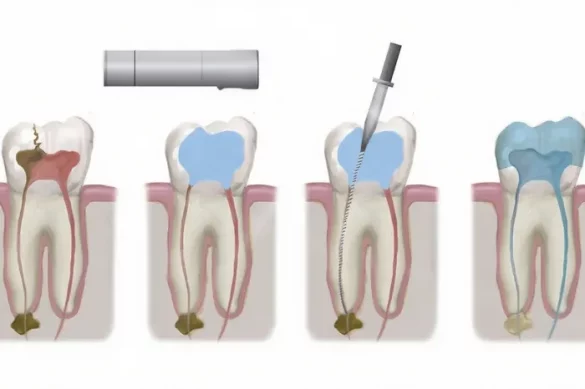
A root canal is a dental procedure designed to treat a cracked, infected, or decaying tooth. The dentist removes bacteria and dead tissue from inside the root of the tooth, thus saving the tooth from extraction. This procedure is usually performed by an endodontist, a specialist in root canal treatments, or a general dentist with additional training. The primary goal is to preserve your natural teeth and restore comfort, preventing further pain and complications.
Average Out-of-Pocket Root Canal Costs
For patients without dental insurance, the average cost of a root canal is around $1,200. The price you pay can be much higher or lower depending on several critical factors. Costs typically range from $300 to $2,500 per tooth. Location in your mouth and level of restoration required have the greatest impact on price. Other considerations include your geographic region, whether you are treated by a general dentist or an endodontist, whether the appointment is scheduled or done as an emergency, and whether you need further restorative work like a dental crown.
Cost Breakdown by Tooth Type
Tooth position impacts the difficulty and cost of root canal treatment:
- Front teeth (Incisors and Canines): Easier to access, lower cost. Average out-of-pocket expense is about $776 to $1,911.
- Bicuspids (Premolars): Moderately difficult, priced between $757 and $1,798.
- Molars (Back teeth): Most complex, highest cost. Expenses range from $1,030 to $2,471.
These numbers reflect only the procedure itself. Further restoration, like crowns or fillings, can significantly increase your total bill.
Geographic Variability in Root Canal Prices
Prices can also vary greatly depending on your location. For example:
- Dallas area: $700 to $2,000
- Maryland suburbs: $300 to $2,000
- New Jersey: $700 to $1,600
- New York City: $1,100 to $2,500
- Orlando, Florida: $700 to $2,100
Differences stem from cost of living, average provider fees, and demand for dental services in your area.
What Is Included in the Cost of a Root Canal?
Typically, the out-of-pocket cost for a root canal covers:
- An initial exam and imaging (such as x-rays)
- Local anesthesia to numb the tooth
- The root canal procedure, including cleaning and filling.
However, many dental practices do not include restoration costs (such as dental crowns or fillings) in the initial quote. Ask your provider for a clear estimate that separates the costs of the procedure and the required restoration.
The Cost of Dental Crowns After Root Canal
After a root canal, your tooth is more fragile and often requires a crown. The average cost of a dental crown without insurance falls between $800 and $2,500. Crowns come in metal, ceramic, and porcelain-fused-to-metal varieties, with price differences based on the material and complexity of the case.
Why Tooth Location Matters
Molars are more challenging to treat due to their many roots and difficult access. These teeth are usually more expensive, and treatments may require more time and specialized equipment. Front teeth and bicuspids are more straightforward, making root canal procedures on those teeth more affordable for most patients.
When Are Retreatments Needed, and What Do They Cost?
Occasionally, a tooth that has had a root canal may become reinfected or develop new problems. Retreatments are more complicated and can cost more than initial root canal therapy. The process involves removing previous filler material, clearing the new infection, and sometimes additional imaging. Expect higher out-of-pocket costs in these cases, and always ask your dentist for a full explanation beforehand.
Insurance vs. Out-of-Pocket Payments
Most dental insurance plans consider root canals a major procedure and will cover between 50% and 80% of the cost after you meet your deductible. However, there may be waiting periods and maximum annual benefits that limit coverage, usually $1,000 to $2,000 per year. If you require a crown, your plan might pay less toward this portion of your treatment. Not all insurance policies cover every tooth or restoration type, so check with your insurer before beginning treatment.
Medicare typically does not cover routine dental procedures, including root canals, while some Medicaid plans cover root canals for children and limited circumstances for adults. If you do not have dental insurance, you will be responsible for the entire cost, but many dental offices offer payment plans or financing options.
Tips to Reduce Your Out-of-Pocket Expenses
There are ways to make root canal therapy more affordable:
- Shop Around for Quotes: Ask several dentists for their prices and request itemized estimates for each step of the process.
- Ask About Payment Plans: Many offices offer financing, allowing you to pay over several months instead of all at once.
- Seek Dental Schools and Nonprofit Clinics: These may offer reduced rates, performed under professional supervision.
- Research Discount Programs: Some groups and associations offer dental savings plans or negotiated rates with select providers.
Is a Root Canal Worth the Cost?
Root canal therapy preserves your natural tooth, which is both practical and cost-effective long term. Extraction may seem cheaper upfront, but it can lead to further expenses for implants or dentures and impact the health of neighboring teeth. Root canals eliminate pain and restore proper function, often involving less time, risk, and expense than extraction and replacement options.
Questions to Ask Your Dentist About Costs
Before you schedule your root canal, discuss key issues with your provider:
- How much do you charge for each phase of the treatment?
- Will I need a crown or specific restoration afterward?
- Is the quoted price all-inclusive, or do I need to budget for additional services?
- Do you offer payment plans or financing?
- Are there now or in the future additional treatments required?
Conclusion
Out-of-pocket costs for a root canal can seem high, but understanding the factors that influence pricing, such as tooth location, need for a crown, and your region, can help you prepare. Checking your dental insurance coverage, exploring payment options, and asking clear questions are essential steps. Preserving your natural tooth through root canal therapy is usually worth the investment in terms of long-term oral health, pain relief, and function.
FAQs
How much does a molar root canal cost out of pocket?
Root canals on molars typically cost between $1,030 and $2,471 without insurance.
Do I need a dental crown after a root canal?
Most molars require crowns after root canal therapy, costing an additional $800 to $2,500 out of pocket.
Can I get help paying for a root canal if I have no insurance?
Yes, some clinics offer sliding scale fees, payment plans, or access to dental savings programs.
Is it cheaper to extract a tooth rather than get a root canal?
Extraction is usually cheaper upfront, but replacing a tooth with an implant or bridge can be much more expensive over time.
Will dental insurance cover all root canal costs?
Most dental plans cover 50–80% of root canal costs, up to your annual maximum. Crowns and additional services may have separate limits or lower coverage percentages.