


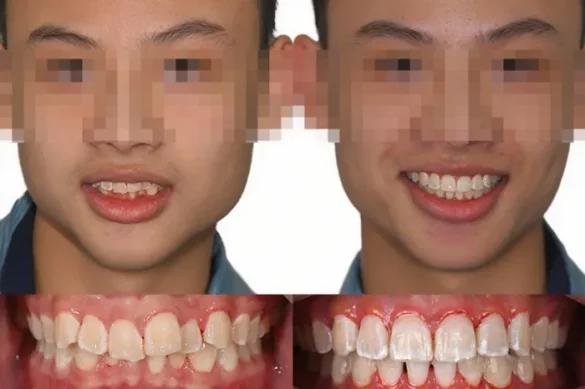
When your orthodontic treatment ends and the braces or aligners come off, you may wonder how long your freshly straightened teeth will really stay in place. Many people are surprised to learn that teeth can start shifting much sooner than expected. Understanding the forces behind tooth movement and what you can do to maintain your results is essential for a lifetime of healthy, straight teeth.
The Science Behind Tooth Movement
Teeth are not set in your jaw like immovable stones. Instead, they are held in place by a network of fibers known as periodontal ligaments. These ligaments allow for normal, tiny movements as we chew and bite. During orthodontic treatment, these ligaments and the surrounding bone are carefully guided by braces or aligners to new positions. Once treatment ends, this support is removed, and the teeth are in a vulnerable phase called retention.
After braces are taken off, bone remodeling continues behind the scenes. The surrounding bone and connective tissues need time to reorganize and stabilize around the recently shifted teeth. If this period is not properly managed, your teeth may start to drift back toward their original positions.
How Fast Can Teeth Shift?
The speed at which teeth start to move can happen surprisingly fast. Right after orthodontic appliances are removed, the teeth are at their most unstable. Without the continued support of a retainer, noticeable shifts can sometimes take place within a few days to weeks. This happens largely because the periodontal ligaments have an elastic “memory” and may try to pull the teeth back to where they started.
Days to Weeks
In the first couple of days, teeth are extremely susceptible to movement. The risk is especially high in the first week following the removal of braces or aligners if no retainer is worn. Even a brief period without a retainer may result in subtle shifts.
Weeks to Months
With continued neglect of retainer wear, more prominent changes can develop over the next several weeks to months. Teeth may begin to crowd, small gaps can appear, and your bite may not feel as even as before. Some patients notice discomfort or that their retainer does not fit as snugly, which are signs that teeth are already shifting.
Months to Years
If a retainer remains forgotten for several months or even a year, the relapse can become significant. Now, there can be visible misalignment resembling the original pre-treatment state. In extreme cases, full orthodontic correction with braces or aligners may be necessary again.
Why Do Teeth Want to Move?
Teeth have a natural tendency to shift because of the elastic nature of the periodontal ligaments as well as ongoing bone remodeling. Even without prior orthodontic treatment, teeth naturally drift over time, especially as we age. The mouth is always adapting to chewing forces, growth, and changes in the jaw.
Common Causes of Tooth Movement
Several key factors can make your teeth shift more rapidly or unpredictably:
Age
Younger individuals, especially teens, experience faster tooth movement because their bones and tissues are still growing and more malleable. Adults have slower, but still possible, tooth movement due to aging and bone density changes.
Severity of Original Misalignment
If your teeth were very crowded or rotated before treatment, they are more likely to drift back to their old positions. The greater the initial correction, the higher the risk for relapse.
Genetics
Family history can play a strong role. Some people naturally have more tendency for tooth movement regardless of their oral care habits.
Dental Health and Habits
Research shows that gum disease, bone loss, or missing teeth create less stable foundations, making it easier for teeth to shift. Bad habits like chewing on pens, biting nails, or grinding your teeth also contribute to unwanted movements.
Signs That Your Teeth Are Shifting
It is critical to notice early warning signs before movement becomes severe. Look out for:
- A retainer that feels tight or no longer fits comfortably
- Minor changes in bite alignment (teeth feel uneven when biting)
- Small gaps appearing between teeth
- Overlapping or crowding where there was none before
- Discomfort or pain, especially when biting or chewing
- Gum irritation or subtle changes in smile appearance
Addressing these concerns early, ideally by resuming retainer use or seeing your orthodontist, can often prevent more drastic relapses.
The Importance of Retainers
Wearing your retainer as prescribed is the single most important way to prevent teeth from quickly shifting after treatment ends. Retainers are custom-made appliances designed to hold teeth in their corrected positions as the bone and ligaments adjust.
Orthodontists typically recommend full-time retainer wear immediately following treatment—usually for the first several months. Over time, this may transition to nighttime wear. However, for many people, some level of retainer wear is advised indefinitely to maintain their results as long as possible.
What Happens if You Don’t Wear Your Retainer?
If you forget to wear your retainer for just a few days, you may already notice your retainer feeling tight. After a week, small shifts may have occurred. If you stop using your retainer for several months, visible changes and bite alterations are likely. Without intervention, you may eventually need orthodontic treatment again to regain your desired alignment.
How to Keep Teeth from Shifting
Success after orthodontic treatment requires lifelong commitment to retention and oral health. Here’s how you can protect your smile:
1. Consistent Retainer Wear
Always wear your retainer according to the schedule given by your orthodontist. If you lose or damage your retainer, contact your provider immediately for a replacement.
2. Maintain Excellent Oral Hygiene
Healthy gums and teeth provide better support for retention. Brush and floss every day, and have regular dental cleanings and check-ups.
3. Watch for Harmful Habits
Be mindful of chewing on hard objects, grinding your teeth, or eating foods that can damage retainers or stress your teeth. Protecting your teeth from trauma or excessive forces is key.
4. Monitor for Changes
Stay alert for any signs of shifting. Take photos of your smile every few months or keep a retainer check-up routine. Early action can prevent major issues.
5. Schedule Regular Orthodontic Visits
Your orthodontist can monitor stability, check retainer fit, and recommend adjustments before problems become significant. Periodic professional checks are especially important during the first year after treatment.
Potential Consequences of Not Managing Teeth Shifting
Neglecting post-treatment care or retainer wear can result in several complications:
- Misaligned teeth and uneven bite
- Increased risk of tooth decay and gum disease due to difficult cleaning
- Jaw discomfort or TMJ disorders
- Speech changes or lisping
- Lower self-confidence due to altered smile appearance
- Sometimes the necessity for another round of braces or aligners
Conclusion
Teeth can shift faster than many people realize, with movement beginning just days after orthodontic appliances are removed—especially if retainers are not worn as prescribed. Some degree of tooth movement is a lifelong reality, but with good oral hygiene, awareness, and consistent retainer use, you can maintain your results for decades. If you notice any signs of shifting, reach out to your orthodontist promptly for advice and intervention. Protect your investment in your smile and enjoy the confidence of straight, healthy teeth well into the future.
Frequently Asked Questions (FAQs)
How fast can teeth shift out of alignment?
Teeth can begin to shift within days to weeks after stopping retainer use, and visible changes may occur within a few months.
Is it too late to stop teeth from shifting if I forgot my retainer?
If you act quickly, resuming retainer wear may reverse minor shifting. For larger changes or a retainer that no longer fits, consult your orthodontist as soon as possible.
Why do teeth keep moving even years after braces?
Natural forces like aging, gum changes, and normal biting and chewing continue throughout life, leading to slow, ongoing movement. This is why nighttime retainer wear is often recommended long-term.
Can shifting teeth damage oral health?
Yes. Shifting teeth can create cleaning challenges, increasing the risk of gum disease, cavities, and even jaw discomfort or bite problems.
What should I do if my retainer is lost or broken?
Contact your orthodontist right away. Prompt replacement can prevent unnecessary tooth movement and protect your smile.