


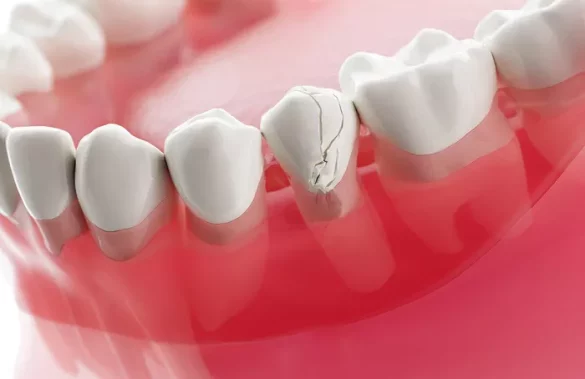
A broken tooth filling is a common dental issue. Fillings can crack, chip, or fall out due to wear, pressure from chewing, or dental trauma. Recognizing the problem early is important. A broken filling can expose the inner layers of your tooth, leading to sensitivity, pain, or infection.
Types of Fillings That Can Break
There are several types of dental fillings:
- Amalgam (silver) fillings: Durable but can crack over time.
- Composite (tooth-colored) fillings: Aesthetic but less durable than amalgam.
- Glass ionomer fillings: Often used for children or non-load-bearing teeth; they are fragile.
Understanding the material of your filling helps determine how to manage a break at home.
Signs Your Tooth Filling Is Broken
Identifying a broken filling is the first step. Common signs include:
- Sensitivity:Sharp pain when eating hot, cold, or sweet foods.
- Visible damage: Cracks or pieces missing from the tooth.
- Discomfort when biting: Feeling uneven pressure or a jagged surface.
- Dark spots or holes: Visible openings where decay may occur.
Immediate Actions After a Broken Filling
It is important to act quickly to prevent further damage or infection. Here are immediate steps you can take:
1. Rinse Your Mouth
Use warm water to gently rinse your mouth. This cleans the area and removes any loose filling material or debris.
2. Control Pain and Sensitivity
You can use over-the-counter pain relievers such as ibuprofen or acetaminophen. Avoid placing aspirin directly on the tooth as it can irritate the gums.
3. Protect the Tooth
Cover the exposed area with dental wax or temporary dental cement, which can be purchased at pharmacies. This protects the tooth from bacteria and further damage until you see a dentist.
4. Avoid Hard Foods
Do not chew on the side of the broken filling. Stick to soft foods to prevent further breakage.
Temporary Home Solutions for a Broken Filling
If immediate dental care is not available, temporary solutions can help manage the situation at home.
1. Dental Wax
Dental wax can cover the broken filling and prevent irritation. Wash your hands, shape a small piece, and press it over the broken area. This is safe for short-term use.
2. Temporary Dental Cement
Available in most drugstores, temporary cement can fill the broken spot. Follow instructions carefully. Apply a small amount to the cavity, press gently, and avoid chewing for several hours.
3. Sugar-Free Chewing Gum
In emergencies, sugar-free gum can temporarily cover a small broken filling. Avoid gum with sugar as it can increase the risk of decay.
4. Salt Water Rinse
Rinse with warm salt water to keep the area clean and reduce bacterial growth. Mix 1/2 teaspoon of salt in a cup of warm water and rinse for 30 seconds.
Steps to Temporarily Fix a Broken Filling at Home
Follow these step-by-step instructions to manage the broken filling until you can visit a dentist:
Step 1: Clean the Area
Brush gently around the broken filling using a soft-bristled toothbrush. Avoid scrubbing the exposed area to prevent further damage.
Step 2: Apply Temporary Material
Use dental wax or temporary cement to cover the broken filling. Mold it to fit the cavity and smooth it with a clean finger. Ensure it does not extend beyond the tooth surface.
Step 3: Adjust Eating Habits
Avoid chewing on the affected side. Stick to soft foods and liquids. This reduces pressure on the broken filling and minimizes discomfort.
Step 4: Monitor for Pain or Infection
Watch for increased pain, swelling, or signs of infection such as pus. If these occur, contact a dentist immediately.
Important Precautions When Fixing a Filling at Home
While temporary measures can help, there are key precautions to keep in mind:
1. Do Not Attempt Permanent Repairs
Home remedies are only temporary. Do not use superglue or other adhesives, as they can harm your tooth and gums.
2. Avoid Sugary or Sticky Foods
Sugar and sticky foods can worsen decay and dislodge temporary materials. Stick to soft, non-sticky foods until dental care is available.
3. Maintain Oral Hygiene
Brush twice daily and floss carefully around the temporary filling. This reduces the risk of infection and keeps the tooth clean.
When to See a Dentist
Even if you successfully manage a broken filling at home, professional care is necessary. Delaying treatment can lead to further decay, infection, or tooth loss.
Signs You Must See a Dentist Immediately
- Severe or persistent pain.
- Swelling in the gums or face.
- Signs of infection, such as pus or fever.
- Large chunks of filling missing.
Dental Treatment Options
A dentist can:
- Replace the broken filling with a new one.
- Use a crown if the tooth is significantly damaged.
- Perform a root canal if the tooth pulp is exposed or infected.
Preventing Future Filling Breakage
After fixing a broken filling, taking steps to prevent future problems is important:
1. Practice Good Oral Hygiene
Brush twice daily and floss at least once. Regular hygiene reduces decay around fillings.
2. Avoid Hard Foods
Chewing ice, hard candy, or nuts can crack fillings. Eat carefully, especially on restored teeth.
3. Regular Dental Checkups
Visit your dentist every six months. They can detect small cracks or weaknesses before they become major problems.
4. Use a Mouthguard
If you grind your teeth at night, wear a night guard. Grinding can cause fillings to crack or fall out.
Conclusion
A broken tooth filling can be alarming, but temporary home fixes can manage discomfort and protect the tooth until professional care is available. Immediate steps like rinsing, using dental wax or temporary cement, and avoiding hard foods can prevent further damage. Ultimately, seeing a dentist is essential for long-term health. With proper care and preventive measures, future filling breakages can often be minimized, preserving your teeth for years to come.