


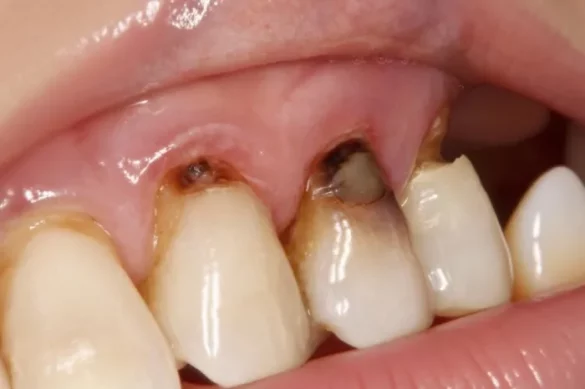
Gum line cavities are a growing concern for many adults, especially as they get older and experience gum recession. These cavities form near or just beneath the gum line and can cause discomfort, sensitivity, and even more serious dental problems if left untreated. People often wonder if gum line cavities are more serious than other types and what can be done to fix them. Understanding the causes, recognizing the symptoms, and knowing the available treatment options are essential for maintaining good oral health.
What Is a Gum Line Cavity?
A gum line cavity is a type of tooth decay that occurs where the tooth meets the gum. Sometimes, these cavities can develop slightly below the gum line, especially if the gums recede. Gum line cavities differ from other cavities in location and risk. They often affect the root surfaces of teeth, which are covered by cementum—a softer layer than enamel. Because cementum is easily damaged, gum line cavities tend to progress quickly.
There are several types of cavities:
- Smooth surface cavities: Occur on the sides of teeth, often between teeth.
- Biting surface cavities: Found where you chew, on top or bottom surfaces.
- Root cavities: Occur beneath the gum line, often when gums recede and expose the roots.
When a cavity forms at or near the gum line, it can either be a smooth surface cavity or, if it extends lower, a root cavity. Root cavities are especially concerning because the root area is not as well protected as the enamel. This means decay can spread faster and deeper.
Causes of Gum Line Cavities
Gum line cavities develop for similar reasons as other cavities. The main cause is tooth decay resulting from plaque and tartar buildup. Plaque is a sticky film made by bacteria that feed on sugars and starches from your diet. If plaque is not removed, it hardens into tartar. Tartar creates a barrier that makes it harder to clean your teeth and gives bacteria more time to damage your tooth structure.
Other factors that increase risk include:
- Gum recession, which exposes the softer root surfaces.
- Dry mouth, which reduces saliva that normally helps protect teeth.
- High intake of acidic foods and drinks, which wear away enamel and cementum.
- Brushing too harshly, which can damage gums and tooth surfaces.
- Grinding your teeth (bruxism), which adds wear near the gum line.
Gum disease, especially periodontitis, further increases risk. As the gums pull away from the teeth, the area becomes vulnerable to decay.
Recognizing Gum Line Cavities
Early detection is vital for successful treatment. Symptoms of a gum line cavity include:
- Sensitivity to hot, cold, or sweet foods and drinks
- Visible dark line or notch near the gums
- Rough or soft spot you can feel with your tongue or while flossing
- Persistent discomfort around the gum area
Sometimes discoloration is only a stain, not decay. Stains are usually smooth and uniform, caused by foods, drinks, or tobacco. Cavities produce roughness or soft spots and may catch dental floss.
If you notice any of these warning signs, schedule a dental exam as soon as possible. Dentists use visual inspections, explorations with instruments, and X-rays to diagnose cavities accurately.
How to Fix a Gum Line Cavity
Treating a gum line cavity depends on the severity and exact location of the decay. Professional intervention is essential. Here are the main steps dentists take:
1. Early Stage: Remineralization Treatments
If the cavity is caught early, the enamel or cementum might still be salvaged. Dentists may suggest professional fluoride treatment or special remineralization products, like hydroxyapatite. These treatments help strengthen the tooth and reverse some early decay. Fluoride toothpaste and mouth rinses at home are recommended alongside regular use.
2. Dental Fillings
Most gum line cavities require a filling. First, the dentist will numb the area. Next, they remove the decayed portion using a drill or, in some cases, a laser. The empty space is then filled with composite resin or dental amalgam to restore function and prevent further decay. Composite resin is preferred for cavities near the gum line because it matches the tooth color and bonds well in shallow areas.
3. Root Surface Cavities: Special Challenges
If the decay extends below the gum line and involves the root, treatment becomes more complex. Sometimes, minor gum surgery is required. The dentist may need to move the gum aside to access and clean the cavity fully. Once the root is cleaned, the area is typically filled with resin and the gum is placed back in position. This type of cavity grows faster due to the softness of the root cementum and may lead to serious complications if ignored.
4. Adjunct Treatments
For patients with dry mouth, saliva substitutes may be recommended. Night guards can address any bruxism (teeth grinding), which reduces trauma to the gum line area.
Preventing Gum Line Cavities
Prevention is always better than cure. Good oral hygiene habits can greatly reduce your risk of developing gum line cavities. Here’s what you should do:
Brushing Technique:
- Use a soft-bristled toothbrush to avoid gum damage.
- Hold the brush at a 45-degree angle to the gum line and use gentle, short strokes.
- Brush for at least two minutes, twice daily.
- Wait 30 minutes after acidic meals before brushing to prevent enamel wear.
Use of Fluoride:
- Choose a fluoride toothpaste and rinse daily.
- Ask your dentist about in-office fluoride treatments if you are at high risk.
Dietary Changes:
- Limit sugary and acidic foods and drinks.
- Enjoy citrus and sodas with meals, not throughout the day.
- Rinse your mouth with water after consuming acids or sugars.
Saliva Management:
- Stay well hydrated.
- Use saliva substitutes if you have persistent dryness.
- Review medications that might cause dry mouth with your doctor.
Addressing Gum Health:
- Floss daily to remove plaque between teeth and at the gum line.
- Use interproximal brushes or water flossers for deeper cleaning if recommended.
- Visit your dentist twice a year for checkups and professional cleaning.
Bruxism Control:
- If you grind your teeth, use a night guard.
- Mention jaw pain or tooth sensitivity during dental appointments for proper diagnosis and care.
What Happens If You Ignore a Gum Line Cavity?
A gum line cavity that is not treated can deepen and spread quickly. Because the cementum is weaker than enamel, decay can reach the tooth’s nerve faster, causing pain, infection, and possible tooth loss. Untreated root surface cavities can complicate gum disease and make treatment more challenging in the future. Prompt dental care is essential.
When to See a Dentist
You should contact your dentist if you notice:
- A rough patch at the gum line that does not improve
- Persistent sensitivity or dark area after cleaning
- Notches or grooves you can feel
- Signs of gum recession or ongoing dry mouth
Early action allows for simpler treatment and prevents complications.
Conclusion
Gum line cavities are common, especially as people age and gums recede. They result from plaque buildup, gum disease, and other factors that damage the delicate area where the tooth meets the gum. Treating gum line cavities involves a combination of professional care, such as fillings and remineralization, and at-home prevention strategies like good brushing technique, fluoride use, and dietary management. Preventing gum line cavities by maintaining excellent oral hygiene, addressing gum health, and visiting your dentist regularly will help you keep your teeth and gums healthy for years to come.
Frequently Asked Questions
How fast do gum line cavities spread?
Gum line cavities, especially those on root surfaces, can progress faster than regular cavities because the root area is softer. Early detection and treatment are important.
Can whitening remove a gum line cavity?
No, whitening removes surface stains only. Cavities require dental treatment, such as fillings or restorative procedures.
Which toothpaste is best for gum line cavities?
A toothpaste containing fluoride is ideal. If you have sensitivity, look for products with potassium nitrate or stannous fluoride.
Are gum line cavities more serious than regular cavities?
They can be. Gum line cavities may reach sensitive root tissues quicker, posing risks for pain, infection, and further dental complications if untreated.
How can I prevent gum line cavities as I age?
Maintain a diligent oral hygiene routine, limit acids and sugars, stay hydrated, and visit your dentist regularly for checkups and professional cleaning.