


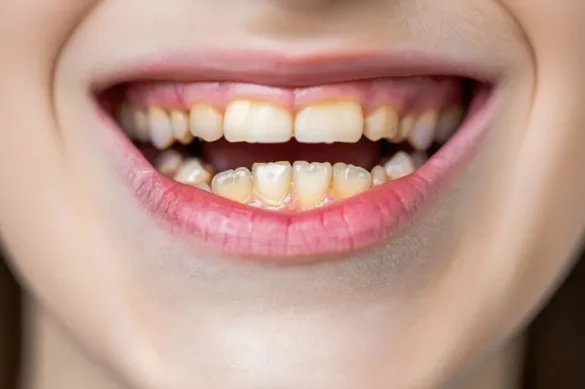
Gum disease is often seen as a problem that only adults face, but children are also at risk. Understanding how gum disease develops in children and the steps to treat and prevent it is essential for parents and caregivers. Early intervention not only restores oral health but also prevents complications later in life.
What Is Gum Disease in Children?
Gum disease is an infection of the tissues that surround the teeth. In children, the most common form is gingivitis, which is the earliest and mildest stage of gum disease. The main culprit is plaque—a sticky layer of bacteria, food particles, and sugars that builds up on teeth and gums. If not removed, plaque can produce acids that irritate and inflame gum tissue, leading to red, swollen, and bleeding gums.
Periodontitis is a more severe form of gum disease that can destroy the bone and tissues supporting the teeth. Fortunately, in children, most gum disease cases are limited to gingivitis and are highly treatable with proper care.
Why Do Children Get Gum Disease?
Children can develop gum disease for several reasons:
- Poor oral hygiene: Inadequate brushing and flossing allow plaque to accumulate.
- High-sugar diets: Sugary snacks and drinks feed bacteria in the mouth.
- Special health considerations: Kids with systemic diseases like diabetes or autoimmune conditions have higher risk.
- Genetics: A family history of gum disease can increase susceptibility.
- Orthodontics: Braces make it harder to clean teeth, increasing risk.
- Habits: Mouth breathing, or grinding teeth, may contribute to gum problems.
Symptoms of Gum Disease in Children
Recognizing gum disease early is crucial for effective treatment. Parents should watch for:
- Red, swollen, or tender gums
- Bleeding gums during brushing or flossing
- Persistent bad breath (halitosis)
- Gums that appear to pull away from the teeth (receding gums)
- Loose or separating teeth
- Pus between teeth and gums
- Changes in bite or jaw alignment
In most cases, children experience mild symptoms. However, because gum disease is often painless, it may go unnoticed unless you regularly check your child’s gums.
Diagnosing Gum Disease
When you notice signs of gum disease, consult a dentist promptly. Dental professionals assess gum health by examining the gums and teeth, reviewing oral hygiene habits, and possibly taking X-rays to check for tissue and bone loss. In some cases, a specialist called a periodontist may need to be consulted.
Treating Gum Disease in Children
Early Treatment: Gingivitis
In its early stage, gum disease is relatively simple to treat. Here are the most effective steps:
Brushing and Flossing
- Make sure your child brushes their teeth twice a day using a soft-bristled, age-appropriate toothbrush and fluoride toothpaste.
- Encourage daily flossing to remove food particles and plaque from areas a toothbrush cannot reach. Parents should assist younger children and supervise older kids to ensure thorough cleaning.
Diet and Lifestyle Changes
- Limit sugary foods and beverages. Choose snacks rich in vitamins and minerals, like fruits and vegetables.
- Encourage drinking water, especially tap water with fluoride.
Dental Visits
- Schedule regular check-ups and cleanings with a dentist every six months. The dentist removes plaque and tartar buildup and checks for early signs of gum disease.
Mouthwash and Rinses
- Ask your dentist about suitable mouthwash products. An ADA-approved mouthwash can help reduce bacteria and prevent plaque formation.
- A saltwater rinse (½ teaspoon of salt in a glass of lukewarm water, swished and spit out) can soothe inflamed gums. Children should never swallow the solution.
Prevention
- Begin oral hygiene routines early to build consistent habits.
- If your child has braces or other dental appliances, ask your dentist for special cleaning techniques.
Deep Cleaning (Scaling and Root Planing)
If gum disease progresses beyond gingivitis, dental professionals may recommend deep cleaning. This involves:
- Removing plaque and tartar from under the gumline
- Smoothing tooth roots to help gums reattach
- Sometimes using localized antibiotic treatments
Medication
In moderate cases, dentists might prescribe antibiotics, either as mouth rinses or pills, to reduce bacterial infection in gum pockets. These should always be used under professional supervision.
Surgical Treatment
Advanced gum disease is rare in children but may require surgery to clean infected areas, reshape tissues, or even replace lost bone or gum tissue.
Home Remedies to Support Treatment
While professional care is necessary for treating gum disease, some home remedies can help support healing:
- Saltwater rinse, as described above, reduces inflammation
- Vitamin-rich diets, especially vitamin C and calcium, strengthen gums and teeth
- Avoiding hard-bristled toothbrushes that can irritate gums
- Using fluoride toothpaste to prevent decay and support gum health
Preventing Gum Disease: Key Strategies
Preventing gum disease is often easier than treating it. Here are practical steps for parents:
- Supervise tooth brushing and flossing until your child can do it correctly
- Set limits on sugary snacks and provide healthy alternatives
- Make dental checkups a regular part of your calendar
- Educate your child about symptoms of gum disease and encourage them to report any bleeding, pain, or soreness
- Discourage habits that increase risk, such as mouth breathing or bruxism (teeth grinding)
Conclusion
Gum disease in children, though common, is preventable and manageable with proper care. Early intervention helps reverse mild cases like gingivitis, while advanced cases may require more intensive treatment. Parents play a key role in teaching healthy habits, supervising daily dental routines, and seeking regular professional care. Keeping children’s gums healthy today lays the foundation for lasting oral health throughout their lives.
FAQs
What is the difference between gingivitis and periodontitis in children?
Gingivitis is the mildest, early form of gum disease marked by inflammation, swelling, and bleeding of gums. Periodontitis is advanced gum disease, leading to damage of supporting structures and possible tooth loss.
How can I tell if my child has gum disease?
Look for red, swollen gums, bleeding during brushing or flossing, bad breath, or receding gums. If unsure, consult a dentist for evaluation.
Are home remedies enough to treat gum disease in children?
Home remedies, such as saltwater rinses, can help soothe symptoms, but professional dental care is essential for thorough treatment and prevention of complications.
How often should my child visit the dentist?
Children should see a dentist every six months for examinations and professional cleanings.
When should I start oral hygiene routines for my child?
Start cleaning your child’s gums even before teeth appear, using a damp cloth. Once teeth erupt, use a toothbrush designed for infants and gradually teach proper brushing and flossing techniques as they grow.