


Many people considering dental implants want to know: What is the average cost per tooth for dental implants? This is an important question because dental treatments are both a financial decision and a health investment. Dental implants are a popular choice for replacing missing teeth, offering long-term advantages that alternatives like dentures and bridges often do not. Understanding the price structure and what affects dental implant costs per tooth can help patients make more informed choices.
What Are Dental Implants?
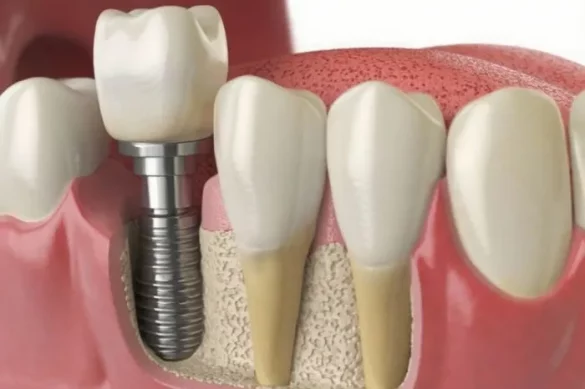
Dental implants are artificial tooth roots, usually made from titanium, that are implanted into the jawbone. A crown, bridge, or denture is placed on top to replace one or more missing teeth. Dental implants look and function like natural teeth and help protect your jawbone from deteriorating, which is common with tooth loss.
How Is the Cost of Dental Implants Calculated?
The cost of a dental implant per tooth is rarely a single flat price. Instead, it is determined by several components, such as:
- The initial consultation and dental imaging
- Surgical placement of the implant
- The abutment (connector piece)
- The crown (artificial tooth)
- Aftercare and follow-up visits
Each of these steps involves different materials, lab work, and clinical expertise, all of which contribute to the final cost.
What Is the Average Cost for a Single Dental Implant?
On average, in the United States, the cost for a single dental implant typically ranges from $3,000 to $5,000 per tooth. This fee generally includes the cost for the implant itself, the abutment, and the crown. However, it may not include additional treatments such as tooth extraction or bone grafting, which may be needed if the jawbone is not strong enough to support the implant.
Why Do Dental Implant Costs Vary?
Several factors can influence the total cost of dental implants per tooth:
Geographic Location
Dental care costs vary depending on where you live. Metropolitan and coastal areas often have higher costs than rural locations.
Dentist’s Experience
Highly qualified implant specialists or oral surgeons might charge more due to their expertise and success rates.
The Patient’s Oral Health
If a patient requires bone grafting, sinus lifting, or additional preparatory work, these procedures increase the final price.
Material Choices
The type of implant and crown material affects the price. For example, zirconia crowns are usually more expensive than porcelain-fused-to-metal options.
How Do Dental Implants Compare to Alternatives?
At first, dental implants may seem more expensive than dentures or bridges. Dentures and bridges typically cost less upfront but usually need to be fixed, repaired, or replaced every 5 to 10 years. Dental implants, with good care, can last decades or even a lifetime, reducing the need for future treatments or replacements. Additionally, implants help preserve your jawbone and facial structure, a benefit not offered by traditional dentures or bridges.
Long-Term Value of Dental Implants
Dental implants provide significant benefits beyond cosmetic appearance. They support overall oral health, help with speaking and eating, and prevent further bone loss. Over time, the total investment in dental implants may be less than the repeated costs and inconvenience of other tooth replacement options. Dentures and bridges might become more expensive after several replacements, whereas implants are built to last.
What Additional Costs Should You Consider?
When estimating the cost per tooth, consider possible extra expenses, such as:
Bone Grafting
When the jawbone is too weak, a bone graft may be needed — this adds $300 to $3,000 per procedure.
Tooth Extraction
If the damaged tooth hasn’t been removed, extraction fees range from $75 to $300 per tooth.
CT Scans and Imaging
High-quality dental imaging helps plan the implant procedure but may cost an extra $100 to $500.
Sedation or Anesthesia
Depending on the case, advanced sedation can add several hundred dollars to the final bill.
Does Insurance Cover Dental Implants?
Most dental insurance plans do not cover the entire cost of implants because they are typically considered elective or cosmetic procedures. However, some policies may help with parts of the process, such as crown placement or extraction. Always check with your insurance provider and dentist to clarify what is covered.
Are Dental Implants Worth the Cost?
Though the initial price tag is higher, dental implants are viewed as a long-term, cost-effective solution. Their durability, ability to prevent further dental issues, and life-like function make them worth the investment for many patients. Costs should be weighed alongside benefits such as comfort, confidence, and protection of oral health.
Conclusion
The average cost per tooth for a dental implant in the U.S. usually falls between $3,000 and $5,000. This expense includes several components, from the surgical procedure to the final crown. Various factors influence the total price, including location, the dentist’s expertise, the patient’s health, and any extra treatments needed. Dental implants can seem costly, but their long-term health and lifestyle benefits make them a smart investment for many individuals seeking a permanent solution to tooth loss.
Frequently Asked Questions
How long do dental implants last?
With proper care, dental implants can last a lifetime, although the crown may need replacement after 10-15 years.
Are dental implants painful?
Most patients report mild discomfort during healing, but pain is usually manageable with medication.
Can I get dental implants if I have gum disease?
Gum disease must be treated first. A healthy mouth greatly increases the success rate of implants.
Why are dental implants so expensive?
Costs include multiple steps, specialist expertise, surgery, high-quality materials, and lab work. Implants are designed to be a permanent solution.