


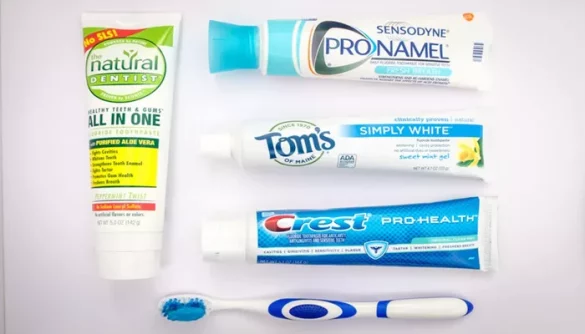
Baking soda is a common household ingredient. It is known scientifically as sodium bicarbonate. It is a white alkaline powder. It has been used in oral hygiene for centuries. It cleans surfaces. It neutralizes acids. It removes stains. Because of these properties, people often ask whether baking soda is good for toothpaste. This question deserves a detailed and factual answer. Toothpaste plays a critical role in daily dental care. Every ingredient matters. Every effect matters. A dental expert must review safety. A dental expert must review effectiveness. A dental expert must review long-term results.
How Baking Soda Works in Toothpaste
The Abrasive Action of Sodium Bicarbonate
Baking soda is a mild abrasive. Abrasives remove stains. Abrasives remove dental plaque. Abrasives polish enamel surfaces. Abrasives help teeth look brighter. Baking soda particles are softer than many abrasives used in toothpaste. Their hardness level is low. They are less aggressive than silica. They are less aggressive than calcium carbonate. This mildness helps reduce the risk of enamel wear when used properly.
Baking soda dissolves easily in saliva. This reduces friction. It reduces surface pressure. It reduces abrasive force. This is one reason many dentists consider baking soda relatively safe. The abrasive index of baking soda is low. It sits far below the upper limits of enamel safety standards.
The Alkaline Properties and Acid Neutralization
Baking soda has a high pH. It is alkaline. It neutralizes acids in the mouth. Acid comes from bacteria. Acid comes from sugary foods. Acid comes from acidic beverages. Acid weakens enamel. Acid promotes decay. Neutralizing acid protects enamel. It reduces the risk of cavities. It creates a healthier oral environment. It favors remineralization when fluoride is present.
This is a meaningful benefit. Many toothpaste formulations include baking soda for this reason. A neutral mouth prevents demineralization. It slows the growth of acid-loving bacteria. It improves breath freshness.
The Stain-Removal Capability
Baking soda removes surface stains. These include stains from coffee. These include stains from tea. These include stains from wine. These include stains from smoking. It does this through gentle abrasion and chemical action. Many whitening toothpastes use baking soda as a primary whitening agent. The goal is to brighten the surface without harsh abrasives.
Benefits of Using Baking Soda in Toothpaste
Baking Soda Helps Reduce Plaque Accumulation
Sodium bicarbonate breaks down biofilm. Biofilm forms on enamel surfaces. Biofilm produces plaque. Plaque leads to gum irritation. Plaque leads to tooth decay. Baking soda helps disrupt plaque structure. It loosens buildup. It makes brushing more effective. Clinical research supports these effects. Many studies show reduced plaque scores after brushing with baking soda toothpaste.
Baking Soda Supports Whiter Teeth Through Gentle Polishing
Baking soda provides mild whitening. It does not bleach teeth. It does not change intrinsic color. It cleans the outer layer. It removes surface particles. It allows more light reflection. The result is a brighter smile. People often perceive this as whitening. It is safe for most users when applied correctly. It does not require bleaching chemicals. This appeals to people with tooth sensitivity.
Baking Soda Enhances Oral pH Balance
Acidic conditions damage teeth. Baking soda shifts pH toward alkaline levels. This reduces enamel erosion. It protects against caries. It makes the mouth less friendly to harmful bacteria. Balanced pH improves freshness. It reduces the sour and metallic tastes sometimes caused by acidity. It supports gum health indirectly.
Baking Soda May Help Improve Bad Breath
Bad breath often comes from acids. It often comes from bacterial waste. It often comes from sulfur compounds. Baking soda neutralizes these compounds. It reduces odor levels. It interrupts bacterial activity. It keeps the mouth cleaner. This freshening effect is mild but noticeable in many users.
Baking Soda Is Gentle on Soft Tissues
Some chemicals irritate gums. Some irritate the tongue. Some irritate the lining of the mouth. Baking soda is mild. It usually does not cause burning. It usually does not cause stinging. It is safe for sensitive gums. This makes it useful for people who react to strong detergents such as sodium lauryl sulfate.
Risks and Concerns When Using Baking Soda in Toothpaste
Risk of Improper Use and Enamel Wear
Baking soda is mild but not harmless. If used excessively, it may wear enamel. If applied with aggressive brushing, it increases abrasion. If used in its dry form, it can scratch the surface. Tooth enamel does not grow back. Once lost, it is permanent. Therefore safe technique matters. Gentle brushing matters. Proper dilution matters.
Lack of Fluoride in Pure Baking Soda
Fluoride is essential for preventing cavities. It strengthens enamel. It helps remineralization. It protects teeth from acid attacks. Baking soda alone does not contain fluoride. People who brush with only baking soda may lose fluoride protection. This increases the risk of tooth decay. Professional organizations recommend fluoride toothpaste for daily use. Baking soda can be an additive but not a replacement.
Baking Soda Does Not Kill All Bacteria
Neutralizing acid is helpful. But baking soda does not eliminate harmful bacteria completely. Commercial toothpaste contains antimicrobial agents. It contains other active ingredients. These reduce bacteria more effectively. Baking soda provides only partial protection. It should not be considered a complete oral disinfectant.
Possible Unpleasant Taste or Texture
Baking soda tastes salty. It tastes bitter. Some people dislike the taste. Some dislike the gritty texture. These feelings reduce compliance. People may brush less effectively because they dislike the sensation. Many commercial baking soda toothpastes include flavorings to reduce bitterness.
Baking Soda May Affect Dental Restorations
Baking soda is safe for natural enamel. But some restorations may scratch more easily. Acrylic materials can dull. Composite surfaces can wear down. Porcelain is more resistant but needs care. Brushing too hard with baking soda may shorten the lifespan of restorations. Patients with crowns, bridges, or veneers should ask a dentist before frequent use.
Does Baking Soda Work Better Than Regular Toothpaste?
Comparison of Cleaning Power
Baking soda cleans surface stains well. Regular toothpaste cleans plaque well. Most commercial formulas use hydrated silica. Silica is safe at controlled levels. It removes stains efficiently. Baking soda is milder. It may remove stains more gently but may not remove heavy buildup. Toothpaste companies sometimes combine both for balance.
Comparison of Cavity Protection
Fluoride toothpaste protects enamel. Baking soda alone does not. This is the biggest difference. People who use baking soda alone lose a proven benefit. Fluoride reduces cavities significantly. Health organizations around the world support fluoride use. Baking soda cannot replace fluoride.
Comparison of Gum Health Effects
Baking soda reduces acidity. Reduced acidity supports gum health. But gum disease is caused by bacteria in plaque. Baking soda alone is not strong enough to treat gum disease. Regular toothpaste includes antibacterial agents. These target harmful bacteria directly. Baking soda toothpaste supports gum health indirectly but not aggressively.
Comparison of Whitening Ability
Baking soda whitens through gentle polishing. Whitening toothpaste uses stronger abrasives. Some whitening formulas use peroxide. Peroxide bleaches stains. Baking soda does not bleach. It only removes surface discoloration. People with deep stains need professional whitening. Baking soda helps maintain results but will not match bleaching treatments.
Safe Ways to Use Baking Soda for Toothpaste
Use Baking Soda Toothpastes Instead of Pure Powder
Many commercial brands offer baking soda toothpastes. These formulas balance abrasiveness. They include fluoride. They include flavoring. They include stabilizers. These formulas are safer than raw powder. They reduce enamel risks. They improve taste. They maintain optimal cleaning levels.
Brush Gently to Avoid Enamel Wear
Hard brushing harms enamel. It harms gums. It causes recession. When using baking soda, gentle brushing protects tooth surfaces. Use a soft toothbrush. Move in small circles. Brush for two minutes. Rinse well.
Limit Use to a Few Times per Week if Using Raw Baking Soda
Daily brushing with raw baking soda may be too abrasive for some people. Occasional use is safer. Using it once or twice per week may reduce stain buildup. Fluoride toothpaste should remain the primary daily product.
Consult a Dentist if You Have Dental Work
People with veneers, crowns, dentures, or composite fillings should consult a dentist before using baking soda frequently. Each material responds differently. A professional assessment ensures safe use.
When Baking Soda Toothpaste Is Recommended
For People With Surface Stains
Coffee drinkers benefit. Tea drinkers benefit. Smokers benefit. Baking soda helps remove predictable stains gently. It can maintain whiter teeth between professional cleanings.
For People With Sensitive Teeth
Mild formulations help sensitivity. Abrasives in standard whitening toothpaste may worsen sensitivity. Baking soda is gentler. It protects enamel better. It reduces irritation.
For People Who Need pH Control
People with acidic diets benefit. People with acid reflux benefit. People with dry mouth benefit. Baking soda neutralizes acid quickly. It protects enamel in high-risk mouths.
When Baking Soda Toothpaste Is Not Recommended
For People Who Need Strong Antibacterial Protection
People with gum disease need antimicrobial toothpaste. Baking soda alone cannot treat gum infections. Dentist-prescribed toothpaste works better.
For People Who Refuse Fluoride Toothpaste
If fluoride is not used, baking soda alone cannot prevent cavities. This increases long-term risk. Patients who avoid fluoride should discuss alternatives with a professional.
Conclusion
Baking soda is good for toothpaste when used correctly. It offers many benefits. It cleans gently. It removes stains. It balances pH. It freshens breath. It is safe for most people. However, it is not enough by itself. It cannot replace fluoride. It cannot eliminate all bacteria. It cannot treat gum disease. It must be part of a complete dental routine. The best choice is a fluoride toothpaste that contains baking soda. It delivers both benefits. It protects enamel. It removes stains gently.