


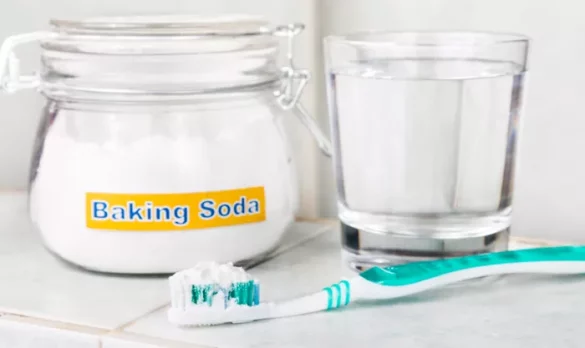
Maintaining dental health is essential for overall wellbeing. People often seek alternative methods to whiten teeth, reduce plaque, and freshen breath. Baking soda and baking powder are commonly discussed in home dental care. But which is better for teeth, Baking Soda or Powder? This article explores the differences, benefits, and risks of using baking soda versus baking powder for oral health.
What is Baking Soda?
Baking soda, scientifically known as sodium bicarbonate, is a white crystalline powder. It is mildly alkaline, which allows it to neutralize acids in the mouth. This property helps in reducing plaque buildup and maintaining oral pH balance. Baking soda is commonly used in toothpaste and some mouth rinses.
Dental Benefits of Baking Soda
1. Reduces Plaque and Tartar: Baking soda can gently remove surface stains and reduce plaque formation, which may help prevent gum disease.
2. Whitening Effect: It removes minor discoloration from teeth. This makes it popular in home whitening remedies.
3. Neutralizes Acids: Baking soda lowers mouth acidity, reducing the risk of enamel erosion.
4. Freshens Breath: Its antibacterial effect can temporarily reduce bad breath.
Risks and Considerations
Excessive use of baking soda may lead to enamel abrasion, especially for people with Sensitive Teeth. It is abrasive and may damage the protective enamel layer if applied too often or vigorously. It is also not effective against deeper cavities or advanced gum disease.
What is Baking Powder?
Baking powder is a mixture of baking soda, an acid (like cream of tartar), and a moisture-absorbing agent such as cornstarch. It is primarily used in cooking and baking to create leavening. Baking powder has different chemical properties than pure baking soda, making it unsuitable for direct dental use.
Why Baking Powder is Not Recommended for Teeth
Baking powder contains acids and fillers that may irritate gums and oral tissues. Its abrasive effect is inconsistent, and it does not effectively neutralize mouth acids. Using baking powder on Sensitive Teeth can worsen discomfort. Additionally, it may not prevent Gum Disease or remove plaque efficiently.
Comparing Baking Soda and Powder for Teeth
While both substances are powders, their effects on dental health differ:
pH Balance: Baking soda is alkaline; baking powder contains acids, which can increase mouth acidity.
Abrasiveness: Baking soda is mildly abrasive and effective for surface stains; baking powder is inconsistent and less predictable.
Dental Benefits: Baking soda reduces plaque, freshens breath, and whitens teeth; baking powder provides minimal benefits and may irritate gums.
Safety: Baking soda is safer for occasional use; baking powder is not recommended for oral care.
How to Use Baking Soda for Teeth Safely
1. Mix a small amount of baking soda with water to form a paste.
2. Apply gently to teeth using a soft-bristled toothbrush.
3. Brush for no more than two minutes.
4. Rinse thoroughly with water.
5. Limit use to 2-3 times per week to prevent enamel damage.
Special Considerations for Sensitive Teeth
People with Sensitive Teeth should be cautious. Baking soda can still cause discomfort if teeth are exposed or enamel is worn. It is advisable to use a toothpaste specifically designed for sensitive teeth and consult a dentist before frequent home treatments.
Impact on Gum Disease
Gum disease results from plaque accumulation and bacterial infection. Baking soda helps reduce plaque, but it is not a treatment for advanced periodontal disease. Regular dental check-ups, professional cleaning, and proper oral hygiene are necessary for managing gum disease effectively.
Other Home Remedies vs. Baking Soda
Other common home remedies include hydrogen peroxide rinses, oil pulling, and lemon juice. Unlike baking soda, some remedies can erode enamel or irritate gums. Baking soda remains one of the safer options when used correctly.
Professional Recommendations
Dentists recommend using baking soda-containing toothpaste over raw baking soda. Commercial toothpastes are formulated to be gentle on enamel and enhance fluoride benefits. For individuals with Sensitive Teeth or Gum Disease, professional advice is essential before trying any home remedy.
Consulting a Dentist
If you experience persistent sensitivity, bleeding gums, or discoloration, professional evaluation is critical. Dentists can provide safe whitening options, prescribe sensitive toothpaste, and offer preventive treatments for gum disease.
Conclusion
In summary, baking soda is suitable for occasional teeth cleaning and whitening due to its alkalinity and mild abrasiveness. Baking powder, however, should not be used for oral care because it contains acids and additives that can harm enamel and gums. Always use baking soda cautiously, especially if you have Sensitive Teeth or existing Gum Disease. Professional guidance and regular dental care are key to maintaining healthy teeth and gums.