


Swirling oil in your mouth for a few minutes might sound unusual, but it’s not without its benefits. Oil pulling is a centuries-old technique that has gained attention for potential oral health benefits.
Here’s what oil pulling means, its possible advantages, and how to integrate it smoothly into your daily routine.
What is Oil Pulling and What Are the Benefits?
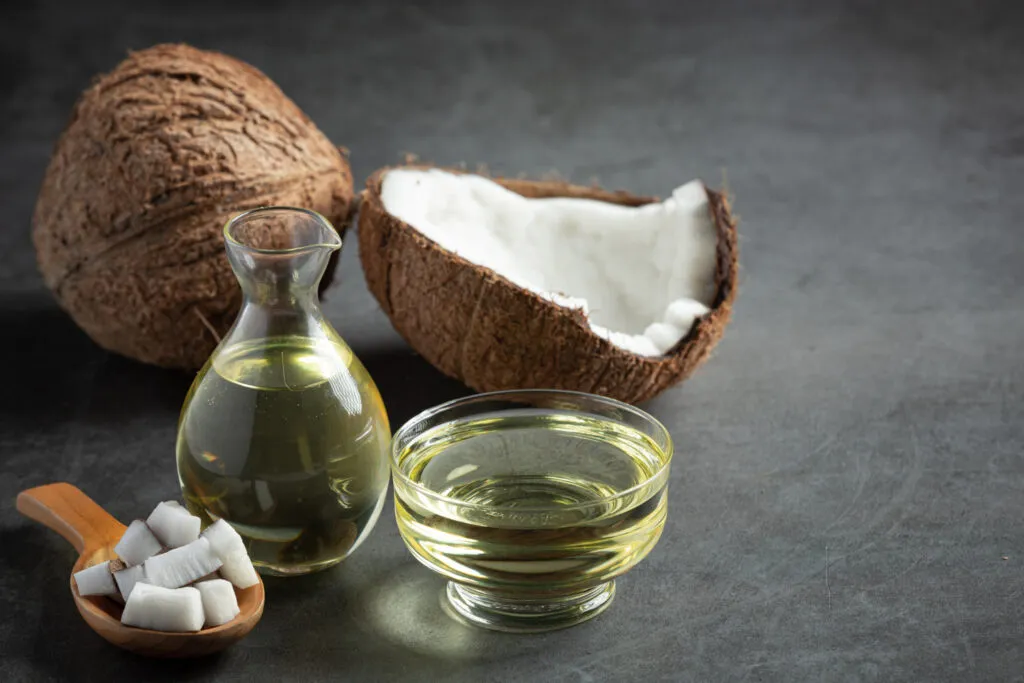
Oil pulling is an ancient practice with roots in traditional Indian medicine. It involves swishing or “pulling” oil (such as sesame, olive, or coconut oil) in the mouth, similar to mouthwash.
Oil pulling, especially with extra virgin coconut oil, has become more popular in recent years as a supplement to regular oral hygiene. The oil “pulls” bacteria and impurities from the mouth, potentially yielding the following benefits:
Fighting Tooth Decay
Some evidence suggests that oil pulling may help fight oral bacteria. One study compared people who used chlorhexidine (a mouthwash commonly prescribed by dentists) for a minute with those who swished with coconut oil for 10 minutes.
The results found that both groups saw a reduction in bacteria that contribute to tooth decay. Coconut oil, in particular, may help fight cavity-causing bacteria.
This is because half of the fat content of coconut oil is lauric acid, which is known to have antimicrobial properties.
Reducing Plaque
A 2019 study compared coconut oil with chlorhexidine mouthwash. It found that both had similar results in preventing plaque regrowth.
Coconut oil also caused less staining than the mouthwash. A 2011 study, using sesame oil, also had similar findings.
Coconut oil may be an effective and less harsh alternative to pharmaceutical products, such as chlorhexidine.
Reducing Halitosis
Oil pulling may help prevent or reduce bad breath. One study found that people who had been oil pulling every day for two weeks had better breath.
The study used an assessment that dentists use for evaluating halitosis. They then asked the oil pullers to assess their own breaths. On both counts, there was a significant reduction.
Given this study, oil pulling may be a way to help keep your breath fresh. Of course, this assumes that oil pulling can reduce oral bacteria.
Reducing Inflammation and Improving Gum Health
Oil pulling may be an effective way to improve gum health and reduce inflammation. This is because certain oils, like coconut oil, have anti-inflammatory properties.
Oil pulling can improve gum health by decreasing the harmful bacteria and plaque in the mouth. One study showed that participants had reduced amounts of plaque after a week of oil pulling.
Another study showed that oil pulling could reduce the number of mutans streptococci (MS) in the mouth. However, it did mention that this requires further research.
Whitening Effect
Many who practice oil pulling claim it brightens their teeth by removing superficial stains. However, there is limited research backing significant whitening, so consider it a bonus rather than a guaranteed result.
How Does Oil Pulling Work?
Oil pulling works primarily through bacterial adhesion, where the thick oil traps bacteria and pulls them away from tooth surfaces and gum crevices:
- Bacterial adhesion — The thick oil is believed to trap bacteria, pulling them away from tooth surfaces and gum crevices.
- Saponification — The combination of oil and saliva can form a mild soap-like substance that cleanses the mouth.
- Detoxification claims — Some proponents suggest that toxins bind to the oil, although scientific evidence here is less conclusive.
What Does Science Say About Oil Pulling?
Currently, the evidence isn’t conclusive, and the American Dental Association (ADA) still doesn’t recommend oil pulling. Most studies on oil pulling are small and of low quality.
While there are studies that showcase the effectiveness of oil pulling, more research is needed to establish whether oil pulling has definite benefits.
According to Dr. Nandita Lilly, one of NewMouth’s in-house dentists, “oil pulling should not be used in place of traditional oral hygiene practices, including brushing your teeth twice a day with a fluoridated toothpaste, using dental floss, mouthwash, and getting routine dental checkups and cleanings.”
What are the Downsides of Oil Pulling?
While generally considered safe when done correctly, there are some potential downsides. Some you may experience almost immediately.
These downsides include:
- Mouth or jaw soreness
- Nausea
- Headaches
However, most of these effects will likely disappear once you’re finished. As you continue oil pulling, you may even get accustomed to it.
Potential Side Effects of Oil Pulling
You may experience potential harmful side effects if you’re not oil pulling properly. For instance, specific side effects can occur if you swish the oil for too long.
It can be especially harmful if you accidentally swallow large amounts of the oil. Additionally, the oil contains bacteria and particles from your mouth, which can hurt your stomach.
Here’s a short list of potentially harmful side effects:
- Lipoid pneumonia
- Upset stomach
How to Practice Oil Pulling
At its simplest, oil pulling involves measuring 1 to 2 tablespoons of oil. Choose a safe, edible oil, such as coconut, sesame, or sunflower.
Swish it around your mouth and through your teeth for 5 to 20 minutes on an empty stomach. Beginners should start with 5 minutes before gradually working up to 15 or 20.
Once you’re done, spit out the oil, then brush and rinse your teeth. Make sure you rinse your mouth thoroughly and don’t swallow any oil.
The traditional recommendation is to perform this every day before brushing your teeth in the morning. You should work your way up to that by starting with shorter swishes or oil pulling just a few times a week.