


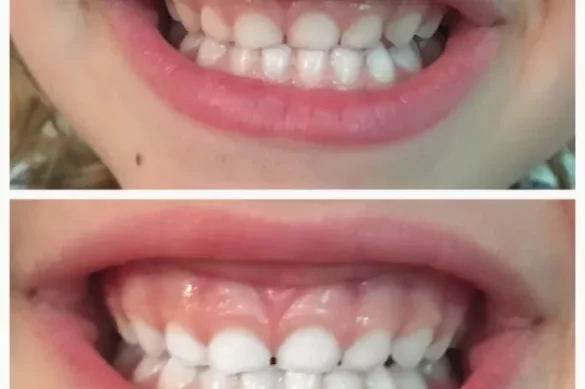
Many parents wonder if children should use whitening toothpaste to make their smiles brighter. With the rise of at-home whitening products and a growing focus on aesthetics, parents and kids are increasingly interested in whitening toothpaste. But is it safe and effective for children? This article explores this question using guidance from pediatric dental experts.
What Is Whitening Toothpaste?
Whitening toothpaste is a kind of toothpaste designed to remove surface stains from teeth. It often contains mild abrasives to polish teeth and chemicals to break down or dissolve stains. Unlike more intensive whitening treatments, such as bleaching gels or strips, whitening toothpaste does not change the natural color of teeth. It only removes minor, surface-level discoloration, such as stains from food or drinks.
Why Do Parents Consider Whitening for Children?
Children’s teeth can appear less white as baby teeth fall out and permanent teeth come in. Permanent teeth are naturally a little darker than baby teeth. Sometimes, children feel self-conscious if their teeth are yellow or stained. Peer pressure and social media may also impact how children feel about their smiles. Parents may seek ways to boost their child’s confidence and consider whitening toothpaste as a gentle, easy solution.
Science Behind Whitening Toothpaste: How Does It Work?
Whitening toothpaste usually works by using gentle abrasives to scrub surface stains away. Some toothpastes also contain chemicals that help break down the substances causing discoloration. These ingredients are meant to be safe for everyday use in adults. However, children’s teeth are still developing, and their tooth enamel and dentin are generally thinner and more sensitive than that of adults.
Safety Concerns for Children Using Whitening Toothpaste
Tooth Sensitivity
Whitening toothpaste may cause increased sensitivity to hot or cold foods. This happens because abrasives and chemicals can create tiny holes in the tooth enamel, making nerve endings more exposed. Children are especially vulnerable to this because their tooth enamel is thinner and less mineralized than adults’.
Risk of Enamel Damage
The thin enamel on children’s teeth makes them more likely to experience wear if strong abrasives are used frequently. Damaged enamel can lead to cavities, pain, discoloration, and other dental issues. According to pediatric dental research, enamel calcification continues for about two years after a permanent tooth erupts. Before this process finishes, the tooth is still vulnerable to damage.
Gum Irritation
Children may not brush as carefully or properly as adults. If they use whitening toothpaste, the abrasives and chemicals can irritate gum tissue, causing redness or discomfort. This is especially risky if children use toothpastes meant for adults or fail to rinse properly after brushing.
Recommendations from Pediatric Dental Experts
The American Academy of Pediatric Dentistry (AAPD) states that there is not enough research to confirm the safety of teeth whitening in children under age 15. They recommend parents consult a pediatric dentist if they’re considering whitening options for their child. Many dental experts suggest waiting until a child knows how to brush effectively and has healthy brushing habits before using whitening toothpaste.
In general, most pediatric dentists advise against strong whitening treatments and recommend mild whitening toothpaste only after all permanent teeth are in place and fully calcified. Typically, this happens at age 12–13, with another two years needed for enamel maturation. Until then, prevention of stains and regular dental care are far safer ways to keep children’s teeth healthy and white.
Factors That Can Stain Children’s Teeth
Before considering whitening toothpaste, it’s important to understand other reasons why children’s teeth can appear stained:
- Injury to a tooth can cause internal discoloration.
- Some medicines, such as iron supplements or certain antibiotics, may darken teeth.
- Tooth decay or early childhood caries (ECC) can result in staining.
- Foods and drinks with lots of artificial dyes, sodas, or sugary treats can easily stain teeth.
If you notice discoloration, book a dental check-up to rule out health issues, cavities, or injuries. Whitening toothpaste may not help with deep stains or problems caused by underlying dental issues.
Alternatives and Prevention Strategies
Preventing Stains
One of the best ways to keep children’s teeth white is to prevent staining in the first place. Pediatric dentists suggest the following strategies:
- Encourage children to brush twice a day with standard fluoride toothpaste.
- Limit foods and drinks that stain teeth, like sodas, candies with dyes, and coffee (for older kids).
- Switch to healthier snacks, like fruits, vegetables, and dairy products.
- Schedule regular professional dental cleanings every six months or as recommended by your dentist.
Mild Whitening Toothpaste
If you still want to use whitening toothpaste for your child, choose a gentle formula made specifically for kids, and ask your pediatric dentist for advice. Do not use whitening toothpaste designed for adults, as these are often too harsh for developing teeth. Always watch for increased tooth sensitivity or gum irritation. Stop use if discomfort occurs.
The Role of Professional Guidance
If your child has isolated discoloration or persistent stains, consult a pediatric dentist. Dental professionals can determine the cause and recommend safe treatments. Sometimes, professional whitening under a dentist’s supervision is possible, but only after all permanent teeth are in and their enamel is fully mature. At-home whitening products should never be used without dental guidance for children.
Conclusion
Should children use whitening toothpaste? The answer is mostly no, unless a pediatric dentist recommends a gentle, child-friendly formula and your child is old enough to brush properly and has all their permanent teeth. Whitening toothpaste only removes minor surface stains and can cause sensitivity or damage to young teeth if misused. The best strategy is to prevent stains with good oral hygiene and regular dental visits. Parents who are concerned about their child’s tooth color should seek professional dental advice before starting any whitening routine.
FAQs
At what age can children start using whitening toothpaste?
Most dentists recommend waiting until all adult teeth have erupted and calcified, usually around age 14–15. Consult your pediatric dentist for specific guidance.
Does whitening toothpaste actually whiten children’s teeth?
Whitening toothpaste removes only surface stains; it does not change the natural color of teeth. Results are usually mild.
Can whitening toothpaste damage children’s teeth?
Yes, if used before enamel is fully matured or if an adult formula is used, whitening toothpaste can cause sensitivity, enamel damage, or gum irritation.
What can parents do instead of using whitening toothpaste?
Focus on prevention by using standard fluoride toothpaste, reducing stain-causing foods, and scheduling regular dental check-ups.