


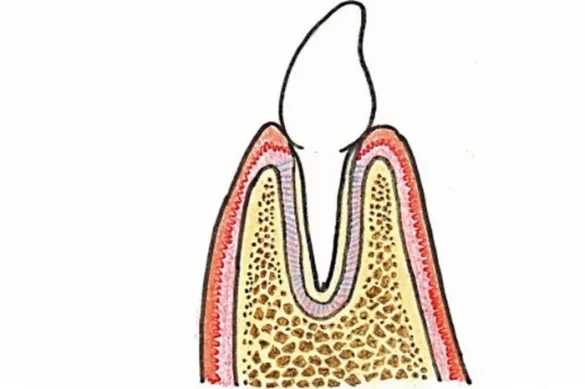
The alveolar bone performs a critical position in oral fitness via way of means of serving because the helping shape for tooth. It paperwork a part of the periodontium, that is a complicated machine making sure that tooth stay solid and well-anchored withinside the jaw. A clean expertise of the alveolar bone’s shape, specially its 4 wonderful layers, is vital for dental care specialists and every person interested by the anatomy and fitness of the mouth.
What Is the Alveolar Bone?
The alveolar bone is the a part of the jawbone that holds the tooth. It paperwork the sockets wherein the roots of the tooth are anchored. Without the alveolar bone, tooth might now no longer stay firmly in place. The alveolar bone undergoes non-stop reworking at some stage in life, adapting to exclusive forces inclusive of chewing and adjustments after enamel extraction or loss. This specific belongings is because of the balanced moves of bone-forming and bone-resorbing cells.
The Four Layers of the Alveolar Bone
The alveolar bone isn’t a uniform shape. It consists of 4 wonderful layers, every with a selected position withinside the help and fitness of tooth:
1. Periosteum
The periosteum is the outermost layer of the alveolar bone. It covers the outside floor of the bone and includes a thin, fibrous membrane. The periosteum incorporates blood vessels, nerves, and cells answerable for bone formation and repair. This layer protects the bone and serves as an attachment webweb page for muscle groups and ligaments. It is crucial for retaining bone fitness and responding to harm or contamination via way of means of producing new bone tissue while needed.
2. Compact Bone (Cortical Plate)
Beneath the periosteum lies the compact bone, additionally referred to as the cortical plate. This layer could be very dense and strong, imparting vital power to the jaw and appearing as the primary structural framework of the alveolar process. The compact bone is thickest withinside the regions across the again tooth and thinner close to the the front tooth. Its density facilitates the bone face up to the heavy forces generated in the course of chewing and biting. The cortical plate additionally acts as a barrier, shielding the deeper, greater sensitive bone systems underneath.
3. Spongy Bone (Cancellous Bone)
The spongy bone, or cancellous bone, is the 0.33 layer below the compact bone. It is lighter and much less dense than the cortical plate, presenting a lattice-like shape this is full of bone marrow and small blood vessels. This association permits the spongy bone to take in shocks and distribute the forces coming from the tooth lightly at some stage in the jaw. The interconnected areas on this layer assist hold the stability of minerals and nutrients, helping the fitness of the bone and surrounding tissues.
4. Bundle Bone (Alveolar Bone Proper)
The innermost layer going through the teeth sockets is the package deal bone, additionally known as the alveolar bone proper. This specialised bone is at once related to the fibers of the periodontal ligament, which holds the teeth root withinside the socket. The package deal bone is characterised via way of means of the presence of Sharpey’s fibers—collagen fibers that run from the periodontal ligament at once into the bone, offering a robust attachment for the teeth. This layer is specially essential for teeth balance as it adapts swiftly to modifications in dental alignment, teeth removal, or orthodontic motion.
Functions and Importance of Each Layer
Each of the 4 layers performs a crucial position:
- The periosteum permits restore and boom via way of means of housing bone-forming cells.
- The compact bone affords safety and structural balance.
- The spongy bone helps nutrient change and pressure distribution.
- The package deal bone anchors the tooth securely of their sockets.
A well-advanced alveolar bone with healthful layers guarantees solid tooth and green chewing. When any of those layers are compromised, dental troubles which include unfastened tooth, periodontal disease, or bone loss can occur.
Bone Remodeling and Adaptation
The alveolar bone is particular amongst bones for its excessive price of remodeling. It continuously undergoes resorption and deposition. Bone-resorbing cells (osteoclasts) smash down bone tissue, even as bone-forming cells (osteoblasts) construct new tissue. This pastime is mainly speedy withinside the alveolar bone due to the pressures and moves related to chewing, teeth eruption, and on occasion orthodontic treatment. A stability among bone resorption and new bone formation is crucial. Disruption can result in bone diseases, which include osteoporosis or periodontitis. The tight coupling among resorption and deposition guarantees that at any moment, the jaw adapts to the ever-converting mechanical desires imposed via way of means of tooth.
Clinical Relevance of Alveolar Bone Layers
A thorough information of the alveolar bone’s layered shape is crucial in lots of dental procedures, which include teeth extraction, dental implant placement, periodontal therapy, and orthodontic treatment. Knowing which layer is worried throughout a manner allows dentists limit harm and maximize recuperation. For example, the package deal bone is maximum affected throughout teeth motion and performs a pivotal position withinside the achievement of implants. The periosteum’s presence guarantees recuperation after surgery, and the spongy bone’s community is essential for implant balance.
Implications for Oral Health
Damage to any layer may have severe consequences. Periodontal disorder frequently results in the destruction of the alveolar bone right, ensuing in teeth loss. A loss of right stimulation—including after teeth loss—can purpose bone resorption, main to thinning or lack of the compact and spongy layers. Dental specialists recognition on keeping the fitness of all 4 layers to keep oral characteristic and aesthetics. Good oral hygiene, everyday dental check-ups, and well timed interventions are critical for stopping the lack of alveolar bone and its layers.
Conclusion
The alveolar bone is a complicated and critical shape composed of 4 awesome layers: the periosteum, compact bone, spongy bone, and package bone. Each layer has its personal particular characteristic, running collectively to offer strength, flexibility, and steady anchorage for the teeth. An information of those layers, how they characteristic, and the way they redesign in reaction to stress is important in dentistry and for keeping lifelong oral fitness.
FAQs
What occurs if the alveolar bone is misplaced?
Loss of the alveolar bone results in teeth mobility and might in the end bring about teeth loss because the bone offers guide for the teeth.
Why is the periosteum crucial in recuperation?
The periosteum incorporates cells that sell bone formation and repair, making it important for recuperation after harm or surgery.
Can misplaced alveolar bone be replaced?
In a few cases, misplaced alveolar bone may be regenerated with bone grafts or specialised dental procedures, specially if detected early.
How can I guard my alveolar bone?
Good oral hygiene, fending off periodontal disorder, everyday dental visits, and coping with scientific situations will assist save you bone loss.