


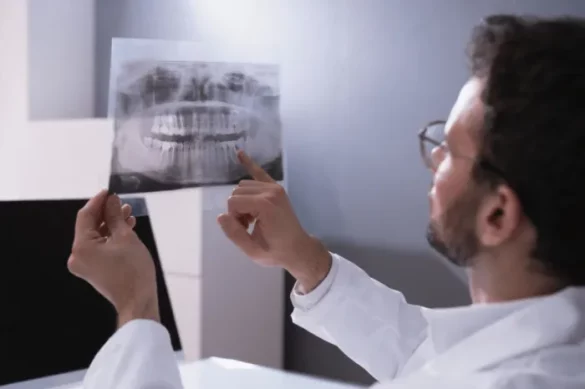
Wisdom teeth, also known as third molars, commonly emerge in late adolescence or early adulthood. These teeth are a frequent source of debate among dental professionals. For many individuals, the immediate response to wisdom teeth coming in is to schedule their removal, often due to stories about pain, crowding, or future dental problems. However, not everyone is at risk of these complications. In fact, for those whose wisdom teeth develop correctly, keeping them can offer meaningful and long-lasting benefits for oral health, comfort, and financial well-being.
What Are Wisdom Teeth?
Wisdom teeth are the last set of molars located at the very back corners of the mouth. Typically, people have up to four—one in each corner. For our ancestors, these teeth played a vital role in chewing tough, raw foods. Over time, diets and jaw sizes changed, making wisdom teeth less essential for survival. Today, some people have jaws large enough to accommodate wisdom teeth without issues, while others experience misalignment, overcrowding, or impaction.
How Wisdom Teeth Can Benefit Chewing Function
When wisdom teeth grow in with proper alignment, they act as an important part of your chewing system. These molars add extra strength and surface area, helping to grind and break down food more efficiently. With healthy wisdom teeth, the force of your bite is spread over more teeth, reducing wear and tear on the second molars. This added support allows for effective chewing and may improve overall comfort during eating, especially when consuming tough or fiber-rich foods.
Supporting Natural Bite and Preventing Tooth Shifting
One of the most important reasons people choose to keep their wisdom teeth is to maintain natural bite alignment. Fully erupted wisdom teeth that fit correctly in the mouth provide stability at the ends of the dental arch. Their presence can prevent adjacent teeth from shifting. After completing orthodontic treatments, such as braces, keeping wisdom teeth may help protect that investment by discouraging movement of the nearby molars and preserving the results.
Preserving Jawbone Structure and Overall Dental Harmony
Each tooth helps keep the surrounding jawbone healthy by stimulating it during chewing. When a tooth is removed, the bone in that area loses stimulation and can shrink or thin out over time. By retaining wisdom teeth, you help preserve jawbone mass, preventing unwanted changes in your face or jaw strength. For older adults, this can be especially important, as maintaining healthy bone density supports strong oral function for years to come.
Avoiding Unnecessary Surgery and Its Risks
Wisdom tooth extraction is considered a surgical procedure. Like any surgery, it involves risks and possible side effects. Pain, swelling, infection, and prolonged healing times are not uncommon after removal. More serious risks include nerve damage and dry socket, which is a painful complication that delays recovery. Choosing to keep healthy wisdom teeth eliminates these risks and spares patients the physical and emotional stress of an unnecessary operation.
Cost Savings Over Time
Dental surgeries can be costly, especially if complications arise or if follow-up care is needed. By keeping wisdom teeth that are healthy, patients avoid the expense of anesthesia, surgery, and multiple dental visits. In the long run, retaining these teeth could mean fewer restorative procedures, such as implants or dentures, as the natural molars remain functional and disease-free. This results in financial savings and less disruption to your routine.
Wisdom Teeth Provide Longevity and Backup Support
Wisdom teeth are among the most durable teeth in the mouth. If your other molars wear down, become damaged, or need to be replaced, having healthy wisdom teeth offers a backup supply to maintain chewing effectiveness. Their resilience may prevent the need for complex dental solutions later in life, making them an asset for long-term oral health.
When Is It Safe to Keep Your Wisdom Teeth?
Retaining wisdom teeth is only advised when they meet certain health criteria. Wisdom teeth should be fully erupted, aligned with adjacent teeth, and free from crowding. The gums around them must be healthy, with no signs of swelling, bleeding, or infection. Dental professionals rely on X-rays and regular checkups to ensure that wisdom teeth are not causing problems below the surface. If you have a larger jaw and good spacing, chances of keeping wisdom teeth safely are higher. Regular dental monitoring is essential to confirm they remain problem-free as you age.
Good Oral Hygiene Is Essential
Proper care is key to keeping wisdom teeth healthy. Brushing and flossing around these molars is sometimes challenging due to their location, but it is essential to prevent gum disease and cavities. Consistent hygiene, regular dental cleanings, and prompt attention to any discomfort greatly reduce the risk of future complications. Patients should also schedule routine checkups and X-rays to track changes in tooth position and jawbone health over time.
Potential Problems and When Removal Is Necessary
Despite best efforts, some wisdom teeth develop issues that warrant extraction. Impacted wisdom teeth—ones that are trapped under the gum or angled against other teeth—can cause pain, infections, and pressure on adjacent teeth. Cavities, gum disease, or cysts in the wisdom tooth area are also reasons for removal. Dentists look for clear evidence that the tooth poses a threat to long-term dental health before recommending extraction. The decision always balances the benefits of preservation with potential risks.
Consulting Your Dentist: Making the Right Choice
If you are considering whether to keep your wisdom teeth, a personalized dental assessment is critical. Dentists evaluate the position, health, and risks associated with your wisdom teeth through visual exams and imaging. By discussing your medical history, symptoms, and goals, they can help you choose the best course of action. Collaboration with a dental professional ensures a balanced decision that supports your health and comfort now and for the future.
Conclusion
Wisdom teeth, when healthy and properly aligned, provide several advantages: improved chewing efficiency, support for bite and jawbone structure, savings on dental procedures, and long-term durability. However, not all wisdom teeth can be safely kept. Careful monitoring and good oral hygiene are necessary for successful retention. The choice to keep or remove wisdom teeth should always be guided by professional evaluation and ongoing care. Consult your dentist regularly to ensure your wisdom teeth are helping—not harming—your oral health.
Frequently Asked Questions (FAQs)
Does everyone have wisdom teeth?
Some people have up to four wisdom teeth, while others have fewer or none. This is determined by genetics.
Can wisdom teeth grow back after extraction?
No, once wisdom teeth are removed, they do not grow back.
Is it painful to keep wisdom teeth?
Healthy wisdom teeth should not cause pain. If you experience discomfort in the area, contact your dentist promptly for evaluation.
Can keeping wisdom teeth cause problems later?
If wisdom teeth are properly aligned and cared for, keeping them can be safe. Regular monitoring is important.
How do I know if my wisdom teeth are healthy?
Wisdom teeth are healthy when they are fully emerged, aligned with surrounding teeth, and the gums are firm and pink with no signs of disease. Your dentist can confirm this with exams and X-rays.