


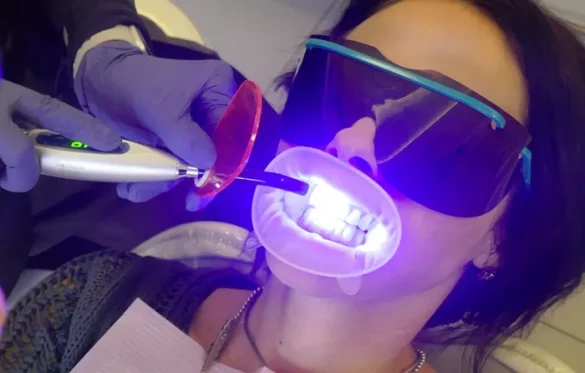
Cold light whitening is a popular cosmetic dental procedure. It uses a light source, often LED, to activate a whitening gel applied to the teeth. The goal is to remove stains and lighten tooth color. While it promises quick results, there are several potential hazards that patients should consider before undergoing the procedure. Understanding these risks can help you make an informed decision and protect your oral health.
Understanding How Cold Light Whitening Works
The process of cold light whitening generally involves applying a hydrogen peroxide or carbamide peroxide gel to the teeth. A specialized cold light or LED lamp is then directed onto the teeth to accelerate the chemical reaction. This reaction breaks down stains caused by food, drinks, smoking, or aging. Despite the effectiveness, the procedure is not free of hazards.
Use of Hydrogen Peroxide in Whitening
Hydrogen peroxide is a powerful oxidizing agent. It can remove stains efficiently but also has the potential to irritate soft tissues in the mouth. Excessive exposure can lead to sensitivity and even chemical burns in some cases.
Effect of Light Activation
The light used in the whitening procedure is intended to activate the whitening gel. However, some types of light can generate heat. Even if marketed as “cold light,” the device can cause slight temperature increases, which may stress tooth pulp and gums, especially in patients with preexisting dental issues.
Primary Hazards of Cold Light Whitening
Tooth Sensitivity
One of the most common hazards of cold light whitening is tooth sensitivity. The peroxide gel penetrates the enamel and reaches the dentin, which can trigger a response in the nerve endings. Symptoms include:
- Sensitivity to hot and cold foods or beverages
- Discomfort when brushing or flossing
- Short-term pain during or after treatment
Patients with sensitive teeth are more likely to experience these symptoms. The sensitivity usually decreases over a few days but can persist in some cases if treatments are repeated frequently.
Gum Irritation and Gum Disease Risk
The whitening gel can irritate soft tissues, particularly the gums. If the gel comes into contact with the gums, it may cause:
- Redness or swelling
- Burning sensation
- Increased susceptibility to infection if gum tissue is damaged
For patients with preexisting gum disease, this irritation can worsen their condition. Proper isolation of the gums during the procedure is crucial to minimize this risk.
Enamel Damage
Repeated or aggressive cold light whitening can compromise the enamel. Enamel erosion makes teeth more prone to decay and can cause long-term aesthetic and functional problems. The main causes include:
- High concentration of peroxide in gels
- Frequent treatments without proper intervals
- Improper application techniques by untrained personnel
Pulp Damage
Although cold light is designed to be gentle, excessive heat from light activation may irritate or damage the pulp inside the teeth. This can lead to:
- Persistent toothache
- Inflammation of pulp tissue (pulpitis)
- Potential need for root canal treatment in severe cases
Uneven Whitening
Cold light whitening does not always produce uniform results. Factors contributing to uneven whitening include:
- Existing dental restorations such as crowns or bridges
- Variation in enamel thickness across teeth
- Stains that are deeper and not responsive to peroxide
Uneven whitening may require additional cosmetic procedures to correct.
Additional Considerations and Risks
Allergic Reactions
Some individuals may have allergic reactions to the whitening gel or light protective materials. Symptoms can include:
- Itching or swelling in the mouth
- Rashes around the lips
- Severe reactions in rare cases
Interaction with Dental Restorations
Cold light whitening is ineffective on materials such as crowns, veneers, or composite fillings. The gel cannot penetrate these surfaces, leading to color mismatches. Patients with multiple restorations should consult a dentist before treatment.
Temporary Discomfort and Psychological Effects
Even mild side effects can impact patient comfort. Some patients report jaw fatigue from keeping the mouth open, sore lips, or a temporary change in taste. These discomforts, while temporary, may discourage individuals from seeking necessary dental care.
Who Should Avoid Cold Light Whitening
Cold light whitening is not suitable for everyone. People who should avoid the procedure include:
- Patients with severe tooth sensitivity
- Individuals with advanced gum disease
- Pregnant or breastfeeding women
- Patients with significant enamel erosion or cavities
- Individuals with existing dental restorations that could result in uneven whitening
Preventing Hazards in Cold Light Whitening
Professional Supervision
Always consult a qualified dentist before undergoing cold light whitening. Professional supervision ensures proper gel concentration, controlled light exposure, and protection of gums and soft tissues.
Pre-Treatment Assessment
A comprehensive dental exam can identify risks such as cavities, gum disease, or exposed dentin. Addressing these issues before whitening reduces the likelihood of complications.
Use of Desensitizing Products
Desensitizing toothpaste or fluoride gels can reduce the risk of sensitivity. These products strengthen enamel and soothe nerves before and after whitening.
Limiting Frequency
Cold light whitening should not be repeated too often. Giving teeth time to recover between sessions prevents enamel damage and sensitivity.
Protecting Soft Tissues
Gum barriers or protective trays prevent gel from contacting soft tissues. Ensuring proper isolation is a critical step in avoiding burns or irritation.
Conclusion
Cold light whitening teeth can provide cosmetic benefits, but it carries notable hazards. Tooth sensitivity, gum irritation, enamel damage, pulp injury, and uneven whitening are the primary risks. Patients with sensitive teeth or gum disease should exercise caution. Professional supervision, pre-treatment assessment, proper protective measures, and careful post-treatment care can minimize these hazards. Understanding these risks allows individuals to make informed decisions and maintain both dental aesthetics and health.