


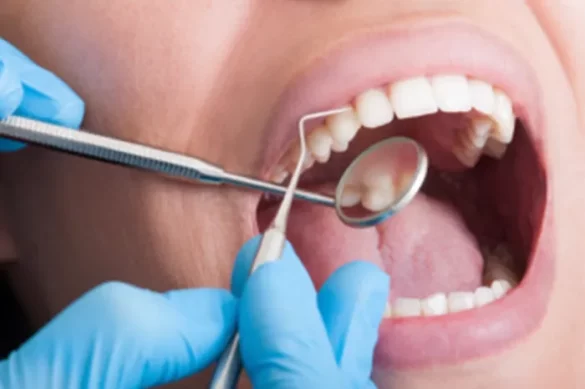
Teeth bonding is a widely used cosmetic dental procedure designed to enhance the appearance of teeth. Dentists apply a tooth-colored composite resin to the surface of the tooth, shaping and hardening it with a special light. This treatment is popular for fixing chips, cracks, discoloration, and small gaps, offering a quick, cost-effective way to improve your smile. While dental bonding boasts many benefits, it is equally important to understand the negatives before choosing it as your solution. Below, we provide an in-depth look at the drawbacks associated with teeth bonding, aiming to help you make an informed decision about your dental care.
Durability Limitations
One of the main negatives of teeth bonding is its limited durability. Although composite resin is strong, it cannot match the natural toughness of tooth enamel or the materials used for crowns and porcelain veneers. Teeth bonding is more prone to chipping, cracking, and breaking, especially if you bite down on hard objects or have habits like nail-biting and chewing on pen tops. Unlike more permanent options, bonded teeth are susceptible to everyday wear and tear. If subjected to excessive force, bonded teeth can easily become damaged and require repair or replacement within a shorter time frame than crowns or veneers.
Shorter Lifespan Compared to Alternatives
Dental bonding typically lasts between 3 to 10 years, depending on several factors, including lifestyle, oral hygiene, and the location of the bonding. In contrast, dental crowns and porcelain veneers often last 15 to 20 years or even longer with proper care. The relatively short lifespan of bonding means you may need to undergo repeated treatments, which can add up in terms of time and cost. People looking for a longer-term solution to their dental issues might find bonding’s need for frequent maintenance a significant disadvantage.
Susceptibility to Staining
Another key negative of teeth bonding is its higher tendency to stain compared to natural teeth and especially compared to porcelain veneers. Composite resin is somewhat porous and more likely to absorb stains from foods and drinks such as coffee, tea, red wine, and berries. Regular smokers may also notice discoloration over time. While natural tooth enamel and porcelain surfaces are more resistant to staining, bonded resin can develop a yellow or dull appearance if exposed repeatedly to staining substances. Patients who are worried about long-term aesthetics may find this a considerable drawback.
Aesthetic Limitations
Bonding material can enhance your overall smile but does not always deliver the most natural-looking or shiny result, especially compared to other treatments. Composite resin is not as translucent as natural enamel or porcelain and, over time, may appear dull or less reflective. If you seek a high-end cosmetic result or aim for a seamless match to adjacent teeth, dental bonding may fall short of your expectations. In some cases, the bonded area may be more noticeable than you wish, particularly as the resin ages or as your natural teeth become whiter through regular brushing or whitening treatments.
Limited Suitability for Extensive Damage
Teeth bonding works well for minor repairs, such as small chips, cracks, or gaps. However, it has serious limitations when it comes to major structural problems or decay. When the damage to a tooth is substantial or if the tooth’s strength is already compromised, bonding may not provide adequate support or protection. For extensive repairs, dental crowns, onlays, or even dental implants might be necessary for lasting and reliable results. Relying on bonding for bigger dental issues may result in further complications or more extensive procedures later on.
Maintenance and Care Demands
Maintaining bonded teeth requires attention to oral hygiene and lifestyle habits. Frequent brushing and flossing are essential to keep the bonded surface clean and free from plaque. Routine dental checkups allow your dentist to monitor the condition of the bonding and address chips or cracks quickly. People who neglect regular care may experience faster deterioration of the bond. Preventing stains involves reducing the consumption of foods and drinks that can discolor your teeth and, ideally, avoiding tobacco use. For some, these maintenance demands may prove inconvenient compared to the low-maintenance nature of crowns and veneers.
Tooth Sensitivity and Discomfort
After bonding, some patients experience increased sensitivity, especially to hot and cold foods or drinks. The bonding material sits atop the tooth surface and, in some cases, may not provide adequate insulation. This can cause brief but noticeable discomfort. Although sensitivity often subsides over time, it can be an unwelcome side effect for those with naturally sensitive teeth or for individuals undergoing extensive bonding procedures.
Not Ideal for Large Cosmetic Changes
Dental bonding is best for limited or minor cosmetic improvements. It is not the optimal technique for large changes in tooth shape, alignment, or color. For significant smile makeovers, orthodontic treatments, veneers, or crowns often deliver better and longer-lasting results. Composite resin has limitations in terms of the thickness and coverage it can provide without appearing bulky or unnatural. Expecting bonding to achieve major cosmetic goals may lead to disappointment and the need for additional procedures in the future.
Skill-Dependent Results
The success and appearance of teeth bonding heavily depend on the skill and experience of the dentist. A highly skilled practitioner can create a seamless, attractive result, but an inexperienced provider may leave you with an uneven, rough, or unnatural finish. Achieving the perfect color match, contour, and shine is an art as much as a science in dental bonding. This means results can vary widely between providers, making careful dentist selection critical.
Risk of Chips and Damage From Habits
Daily habits play a role in the longevity of bonded teeth. Biting on pens, fingernails, or hard foods like ice can easily chip or crack the bonding material. Teeth grinding (bruxism) is particularly damaging, as repeated pressure will shorten the lifespan of the bond. Patients who are unaware of these risks or fail to make necessary behavioral changes may find themselves needing repairs frequently.
Conclusion
While teeth bonding offers a quick, affordable, and minimally invasive solution to many dental imperfections, it is not without its negatives. The main drawbacks include limited durability, a tendency to stain, a shorter lifespan, and aesthetic and functional limitations for larger issues. Maintenance and attention to dental habits are essential for maintaining bonded teeth. Patients should consult with their dentist, review their dental history, and openly discuss their aesthetic goals and daily routines before choosing dental bonding. Alternative treatments like veneers or crowns might be more suitable for those seeking a more durable and low-maintenance option.
Frequently Asked Questions
How long does teeth bonding usually last?
Teeth bonding tends to last between 3 to 10 years, depending on how well you care for your teeth and the location of the bonding.
Is the bonding material as strong as my natural tooth?
No, the composite resin used in bonding is not as strong as your natural enamel, nor as durable as materials used in crowns or veneers.
Does dental bonding stain easily?
Yes, bonding material is more prone to staining than natural teeth or porcelain. Consuming coffee, tea, red wine, and tobacco can all cause discoloration over time.
Is teeth bonding painful?
Bonding is generally painless, but some patients experience temporary sensitivity to hot or cold after the procedure. This usually fades with time.
Can teeth bonding be repaired if damaged?
Yes, chips or cracks in the bonded material can often be repaired or replaced by your dentist in a single appointment.
Who should avoid teeth bonding?
People who grind their teeth, use their teeth to open packages, or have large cavities or extensive damage may be better served by crowns or veneers, which offer stronger and longer-lasting coverage.