


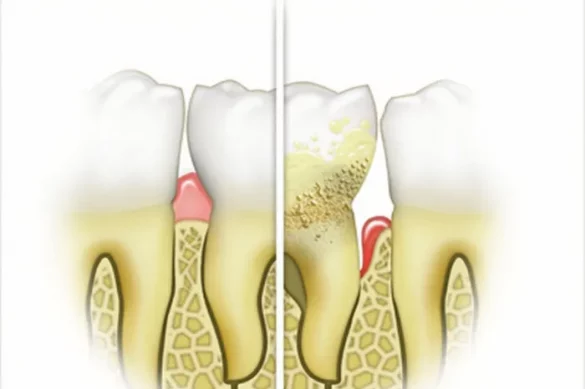
Alveolar bone loss is one of the maximum tough issues in dental and oral fitness. This system entails the sluggish lack of the jaw bone that helps and surrounds the roots of your enamel. While the modifications begin quietly, their results may be profound, subsequently main to unfastened enamel, enamel loss, and modifications to the advent and feature of your mouth. Understanding what reasons alveolar bone loss is vital for powerful prevention and early intervention.
What Is Alveolar Bone Loss?
Alveolar bone loss refers back to the lack of density and extent withinside the a part of your jaw that holds your enamel in place. This region, referred to as the alveolar bone, is crucial for helping enamel and retaining the herbal appearance and shape of your decrease face. When this bone breaks down or “resorbs,” enamel lose their support, turning into cell or maybe falling out. This system frequently occurs slowly and won’t display apparent symptoms and symptoms at first.
The Key Role of the Alveolar Bone
The alveolar bone isn’t always only a passive shape. It is dynamic, converting and adapting primarily based totally in your oral environment. Every time you chew, speak, or maybe swallow, your enamel and their roots practice strain that alerts your frame to maintain the bone robust and healthy. If this stimulation is removed, the bone starts offevolved to reduce. So, the fitness of your alveolar bone is carefully tied to the kingdom of your enamel and gums.
Major Causes of Alveolar Bone Loss
Periodontal (Gum) Disease
The maximum not unusualplace purpose of alveolar bone loss is periodontal disease, additionally recognised honestly as gum disease. This situation begins offevolved as gingivitis, a slight infection resulting from the accumulation of plaque on the gum line. If untreated, gingivitis can development to periodontitis, in which micro organism penetrate under the gums. The immune device then reacts, and because it attempts to combat infection, it may additionally ruin the alveolar bone and surrounding tissues. This bone loss is sluggish and painless, particularly withinside the early stages, which makes normal dental visits crucial for early detection.
Missing Teeth
Natural enamel offer normal stimulation to the jaw bone whenever you chew and chew. When a enamel is misplaced or extracted and now no longer replaced, the bone beneath now no longer gets those alerts. This loss of stimulation tells the frame that the bone in that region isn’t always needed, inflicting it to reduce or resorb. Most bone loss after extraction takes place in the first 18 months however can retain progressively over a lifetime. This is why set off alternative of lacking enamel—which include with implants—can assist hold the alveolar bone.
Poor Oral Hygiene
Neglecting every day brushing and flossing shall we soft, sticky plaque building up on and among tooth. Over time, plaque hardens into tartar (calculus), that’s lots more difficult to get rid of with out expert cleansing. This continual micro organism assault reasons gum infection and finally results in contamination that destroys each the gums and the helping bone. Consistent oral hygiene is prime to stopping bone loss from beginning or getting worse.
Smoking and Tobacco Use
Smoking damages blood vessels, reduces restoration capacity, and weakens the frame’s herbal defenses towards contamination. These consequences extensively boom the threat and severity of gum disease, making people who smoke much more likely to be afflicted by alveolar bone loss. Tobacco use additionally reduces the fulfillment charge of dental remedies geared toward saving bone, which include gum remedy and implants.
Medical Conditions Affecting Bone Health
Certain whole-frame fitness issues, which include osteoporosis and poorly managed diabetes, could make the alveolar bone much more likely to interrupt down. Osteoporosis reduces bone density at some point of the frame, which include the jaw. Diabetes slows restoration and lowers the frame’s capacity to withstand contamination, each of which accelerate the lack of gums and bone. When those illnesses aren’t controlled well, the threat for bone modifications withinside the mouth is going up.
Misaligned Teeth or Bad Bite (Malocclusion)
Teeth which are crooked or do now no longer line up nicely can create many cleansing challenges. These regions effortlessly entice meals and plaque, making gum problems—and bone loss—much more likely. An wrong chew also can positioned greater pressure on positive tooth and their helping bone, inflicting it to put on away or “resorb” faster. Orthodontic remedies can assist restore misalignment and chew problems, that could then assist maintain the alveolar bone.
Teeth Grinding and Clenching (Bruxism)
Grinding or clenching tooth, specially all through sleep, produces loads of strain on each tooth and the jaw bone. Over time, this will get worse any bone loss this is already beginning because of gum problems. Bruxism also can harm herbal teeth structure, growing the threat of unfastened tooth and similarly stimulating bone resorption.
Dental Appliances and Prosthetics
Dentures and bridges can have an effect on jaw bone fitness, specially if they may be now no longer anchored nicely. Traditional detachable dentures take a seat down at the gums and do now no longer offer the bone the stimulation it needs. This can result in slow bone shrinkage beneathneath the denture. On the opposite hand, dental implants, which can be constant into the bone, do offer healthful stimulation and assist hold bone levels.
Trauma or Injury
Physical injuries, which include knocked-out tooth or damaged jaws, can prevent regular biting interest in affected regions. Without this stimulation or after elimination of damaged tooth, alveolar bone speedy starts offevolved to recede. Immediate interest and right healing after trauma assist lessen the threat of long-time period bone loss.
Infections and Tumors
Aside from periodontal infections, different sorts of jaw infections (like osteomyelitis) or tumors (each benign and cancerous) can wreck jaw bone. Treatment frequently includes getting rid of the inflamed or cancerous area, which could every so often cause huge areas of lacking bone.
Developmental and Structural Issues
Some humans are born with developmental situations that have an effect on the boom and density in their jaw bones. In those cases, the alveolar bone can be susceptible or lacking in sure places, making it difficult to aid tooth with out scientific or surgical intervention.
Sinus Deficiencies
In the higher jaw, lack of lower back tooth can permit the sinus hollow space to drop or enlarge (a procedure called “sinus pneumatization”)—ensuing in similarly bone resorption. This specially will become a problem while making plans dental implants in the ones areas, as there might not be sufficient bone left for correct aid.
How Is Alveolar Bone Loss Detected?
In the early stages, alveolar bone loss frequently indicates few apparent symptoms. Dentists use a mixture of checking the gums (for pockets, bleeding, and gum recession) and dental x-rays to view the quantity and form of bone across the tooth. X-rays are specially beneficial for monitoring bone stages over time. If bone adjustments are determined early, remedy can gradual or maybe prevent development and keep your smile.
What Are the Consequences if Left Untreated?
Alveolar bone loss, if ignored, brings excessive consequences. Teeth come to be free and unstable. Chewing and talking can come to be difficult. Facial shape can also additionally change, main to a sunken or in advance elderly appearance. Advanced untreated bone loss also can save you the position of dental implants or require sizable bone grafting. Gnawing oral infections may additionally increase the chance for broader fitness problems, which includes coronary heart disorder.
Prevention and Management of Alveolar Bone Loss
Simple each day behavior play the most powerful function in stopping bone loss. Brushing and flossing cautiously each day, normal dental cleanings, and spark off remedy of dental troubles are the foundation. For people with expanded risks—consisting of tobacco customers or humans with diabetes—extra common dental checkups can be wished. Replacing lacking tooth with implants and looking for orthodontic or chunk correction while wished also are crucial defensive strategies. Practicing proper average fitness through consuming a balanced eating regimen and now no longer smoking enables preserve each your gums and jaw bone strong.
Conclusion
Alveolar bone loss is a complicated and frequently silent issue. The first symptoms and symptoms can without difficulty be missed, however the results on oral fitness and nice of existence are significant. Periodontal disorder will be the foremost cause, however lacking tooth, negative dental care, smoking, illnesses, and trauma additionally play foremost roles. Early popularity and spark off remedy, along side first-rate each day care and a wholesome lifestyle, can preserve your jaw bone—and your smile—steady for a lifetime.
Frequently Asked Questions (FAQs)
What are the early symptoms and symptoms of alveolar bone loss?
Gum recession, free enamel, and adjustments to your chunk are key early caution symptoms and symptoms. Dental x-rays are wanted for definitive diagnosis.
Is alveolar bone loss reversible?
In early stages, preventing the cause (like gum disease) can also additionally permit the bone to heal or stay stable. Advanced loss frequently wishes dental or surgical intervention.
How can I save you alveolar bone loss?
Maintain true oral hygiene, keep away from tobacco, update lacking enamel promptly, and deal with clinical conditions. Regular dental visits are critical.
Can dental implants forestall similarly bone loss?
Yes. Dental implants assist stimulate and maintain the jaw bone, decreasing the threat of similarly bone resorption withinside the dealt with area.
Does bone loss best have an effect on older adults?
No. Adults of all ages, particularly people with gum disease, trauma, or threat factors, can increase alveolar bone loss.