


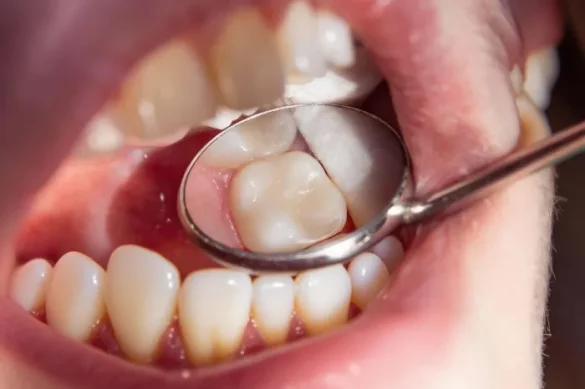
Dental fillings are a not unusualplace and powerful technique to repair tooth broken with the aid of using cavities and decay. Millions of humans have at the least one filling of their mouth. However, many are amazed to research that fillings do now no longer remaining all the time and may fail over time. When a filling fails, it may cause discomfort, sensitivity, or maybe dental emergencies. Understanding the motives why fillings fail is important for each prevention and set off action.
What Is a Dental Filling Failure?
A dental filling failure happens whilst the restoration, or filling, will become loose, cracks, falls out, or now no longer protects the teeth properly. Fillings are designed to shut cavities, repair teeth function, and save you similarly decay. When they fail, the threat of infection, pain, and further teeth harm increases. Recognizing the symptoms and symptoms and reasons of filling failure is prime in keeping long-time period oral health.
Common Causes of Filling Failure
1. Wear and Tear Over Time
One of the maximum familiar reasons of filling failure is straightforward put on and tear. Fillings frequently face the strain of biting, chewing, and grinding. This every day strain step by step weakens the structure, making it extra prone to cracks or dislodgment. Different substances have one-of-a-kind lifespans. For example, metallic amalgam fillings can last as long as 15 years, even as composite resin fillings normally remaining among five and seven years. As time passes, all filling substances subsequently want to get replaced because of herbal breakdown.
2. Decay Under or Around the Filling
Poor oral hygiene can permit plaque and micro organism to accumulate at the rims of a filling. Over time, this accumulation may also create decay on the margin wherein the filling meets the herbal teeth. When new decay paperwork below or round a filling, it compromises the steadiness of the restoration. The filling may also grow to be loose, shift, or fall out completely. Regular brushing, flossing, and dental cleanings are important to save you decay from undermining a filling.
3. Physical Trauma or Injury
Physical trauma is any other great aspect in filling failure. Hard impacts, including from accidents, sports activities injuries, or biting into tough foods, can crack or dislodge a filling. Sometimes, even the use of tooth to open packaging or chewing on tough gadgets like ice or pens places extra strain on restored tooth. Such trauma now no longer most effective jeopardizes the filling however also can harm the teeth underneath.
4. Deterioration of Filling Materials
Different forms of filling substances age at one-of-a-kind rates. Metal amalgam is long lasting however can increase or agreement with temperature changes, step by step pulling farfar from the herbal teeth. Composite resins are extra aesthetically fascinating however are softer and much more likely to wear down or chip. Gold fillings, even as long-lasting, are much less usually used because of cost. The herbal growing older and put on-out method of every fabric approach that no filling is permanent.
5. Poorly Placed or Fitted Fillings
The talent and method of the dental practitioner matter. If a filling isn’t always nicely bonded or shaped, it can now no longer defend the enamel effectively. Gaps, choppy edges, or hard surfaces can entice plaque and make cleansing difficult. This might also additionally growth the hazard of leakage, decay, and untimely failure.
6. Habitual Behaviors Impacting Fillings
Certain conduct can boost up filling failure. Teeth grinding, or bruxism, places repetitive stress on tooth and any dental restorations in place. Nail biting or the use of tooth as gear to open items introduces extra strain to the enamel shape and filling. These behaviors need to be averted to defend dental paintings and universal enamel health.
7. Inadequate Oral Hygiene
Maintaining terrible oral hygiene is a main contributor to filling failure. Skipping everyday brushing and flossing shall we meals debris and plaque accumulate, in particular round fillings. This promotes new decay and weakens the bond among the filling and the enamel. Effective day by day care and recurring dental checkups can reduce this hazard.
Signs That a Filling May Be Failing
Recognizing the early symptoms and symptoms of a filling failure can save you greater extreme complications. Common caution signs include:
- Tooth sensitivity to hot, cold, or candy ingredients and drinks.
- Sharp ache or soreness whilst chewing or biting down.
- Visible cracks, gaps, or darkish strains round the threshold of the filling.
- Discoloration of the stuffed enamel.
- A feeling that the filling is free or moving.
- Bad breath or a horrific flavor that won’t cross away.
If you observe any of those symptoms, it’s far crucial to look your dentist promptly.
Immediate Steps to Take if a Filling Fails
If a filling falls out or you think it has failed, preserving calm is key. Here’s what you need to do:
- Avoid touching the affected vicinity with arms or a toothbrush.
- Rinse your mouth lightly with warm (now no longer hot) saltwater to smooth the vicinity.
- If you’re experiencing soreness, a small piece of sugar-unfastened gum or dental wax may be positioned lightly over the uncovered vicinity as a transient barrier.
- Avoid ingesting at the facet with the affected enamel.
- See your dentist as quickly as viable for assessment and remedy.
Acting speedy allows save you micro organism from coming into and inflicting an infection, that could result in greater invasive techniques which includes root canal remedy or maybe enamel extraction if now no longer addressed.
How to Prevent Fillings From Failing
Preventing filling failure begins offevolved with accurate day by day conduct and everyday dental care.
- Brush two times each day with fluoride toothpaste to hold decay at bay.
- Floss each day to cast off plaque among enamel and round fillings.
- Visit your dentist each six months for assessments and expert cleanings.
- Avoid chewing tough, sticky, or crunchy meals which could dislodge or harm fillings.
- Use a mouthguard in case you grind your enamel at night time or play touch sports.
- Do now no longer use your enamel as equipment for commencing applications or biting on nails.
By protective your fillings and following those easy preventive steps, you growth the possibilities that your dental restorations will last up to possible.
How Filling Material Choice Affects Longevity
The kind of filling fabric you’ve got got performs a large position in how lengthy it lasts:
- Amalgam (metal) fillings: Strong and long lasting, lasting as much as 10–15 years, normally used for again enamel wherein chewing forces are greatest.
- Composite (tooth-colored) fillings: Blends properly with herbal enamel, commonly lasting 5–7 years, perfect for the front enamel however can also additionally want substitute sooner.
- Gold fillings: Very long lasting and lengthy-lasting, on occasion exceeding 15 years, however much less not unusualplace because of fee and appearance.
- Ceramic fillings: Durable and an increasing number of popular, commonly lasting over 10 years, relying on care.
Your dentist can advise the first-class filling fabric primarily based totally at the region of the cavity, private preferences, fee considerations, and oral fitness needs.
Conclusion
Filling screw ups are a not unusualplace occurrence, however they’re additionally preventable in lots of cases. Understanding the causes—from herbal put on, new decay, and trauma to terrible behavior or insufficient oral hygiene—lets in you to take proactive steps to guard your dental restorations. Noticing early caution symptoms and symptoms and looking for dental care at the primary indication of hassle can assist save you extra complicated and highly-priced dental paintings withinside the future. Regular maintenance, desirable hygiene, and interest to filling lifespan will make sure that your smile remains wholesome and purposeful for plenty years.
Frequently Asked Questions (FAQs)
What is the common lifespan of a dental filling?
The common lifespan relies upon at the fabric; amalgam fillings can ultimate 10–15 years, whilst composite fillings ultimate 5–7 years.
What are the principle symptoms and symptoms that suggest my filling is failing?
Sensitivity, ache while chewing, seen cracks or gaps, discoloration, and a unfastened or lacking filling are key symptoms and symptoms of failure.
What must I do if my filling falls out?
Avoid chewing on that side, rinse your mouth lightly with saltwater, guard the region with dental wax or sugar-unfastened gum, and notice your dentist as quickly as possible.
How can I lessen my threat of filling screw ups?
Maintain desirable oral hygiene, keep away from tough or sticky meals, put on a mouthguard in case you grind your enamel, and go to your dentist regularly.
Can a failed filling cause extra severe dental problems?
Yes, a failed filling exposes your teeth to micro organism and decay, growing the hazard of infection, root canal treatment, or maybe teeth extraction if now no longer dealt with promptly.