


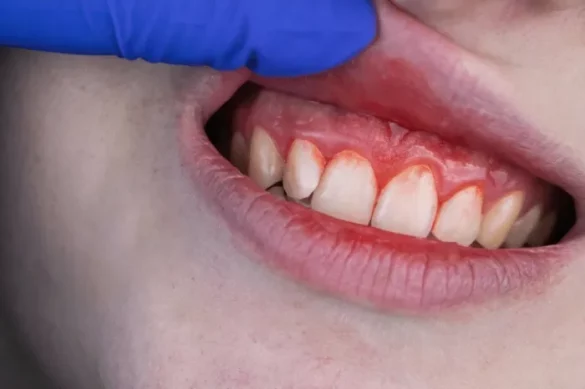
Gingivitis is a common and mild form of gum disease that causes irritation, redness, and swelling (inflammation) of your gingiva, the part of your gum around the base of your teeth. It’s often caused by poor oral hygiene that encourages plaque to form on teeth, leading to inflammation of the gums. If left untreated, gingivitis can advance to more serious gum disease called periodontitis, which can result in tooth loss.
Understanding Gingivitis
Gingivitis typically starts with the accumulation of plaque, a sticky, colorless film of bacteria that forms on teeth. If this plaque isn’t regularly removed through brushing and flossing, it can lead to the inflammation of the gums, known as gingivitis. While gingivitis is not as severe as periodontitis, its occurrence should not be ignored, as it could lead to more serious dental health issues over time.
What Causes Sudden Gingivitis?
Sudden gingivitis often occurs when there is a rapid buildup of plaque that irritates the gums. Below are some of the key factors that may lead to a sudden onset of gingivitis:
Poor Oral Hygiene
One of the most common causes of gingivitis is poor oral hygiene that encourages plaque buildup on teeth. Plaque contains bacteria that cause inflammation in the gums. If not removed, plaque can harden into tartar, which can only be removed by a dentist or hygienist.
Smoking or Chewing Tobacco
Smoking and the use of other tobacco products are strongly associated with the onset of gingivitis. Tobacco use reduces blood flow to the gums, which can impair gum healing and make the gums more susceptible to infection.
Medical Conditions
Certain conditions, such as diseases that reduce immunity (like leukemia, HIV/AIDS, and cancer treatment), can increase the risk of gingivitis. Other conditions such as viral and fungal infections, and hormonal changes in pregnancy, menstruation, and menopause, can also lead to increased susceptibility to gingivitis.
Medications
Some medications can affect your oral health. For instance, certain medications that reduce saliva flow can make your gums more vulnerable to infection. Additionally, medications such as phenytoin, cyclosporine, and calcium channel blockers can cause abnormal gum growth, which makes it harder to keep your gums clean and leads to gingivitis.
Stress
Stress can weaken the immune system, making it harder for the body to fight off infections. Individuals under stress may be more likely to neglect their oral hygiene, which increases the risk of gingivitis.
Pregnancy
Pregnant women may develop pregnancy gingivitis due to hormonal changes, especially during the second and third trimesters. Increased levels of progesterone during pregnancy can make the gums more sensitive to the effects of plaque, leading to inflammation and bleeding.
Symptoms of Gingivitis
Common symptoms of gingivitis include:
- Red, swollen gums
- Gums that bleed when you brush or floss
- Bad breath
- Painful gums when touched
- Receding gums
How to Prevent Gingivitis
Preventing gingivitis is simple and mainly involves proper oral care habits:
Brushing and Flossing Regularly
Brush your teeth at least twice a day and floss at least once a day to remove plaque buildup. Using fluoride toothpaste can also help protect your gums from bacterial growth.
Regular Dental Checkups
Visit your dentist regularly for professional cleanings and exams. A dentist can remove tartar that can’t be removed by brushing and flossing alone.
Quit Smoking
If you smoke or use other tobacco products, quitting will significantly reduce your risk of developing gingivitis and other gum diseases.
Eat a Balanced Diet
A healthy diet helps maintain strong gums and teeth. Avoid sugary foods and drinks, as they contribute to plaque formation. Include plenty of fruits and vegetables in your diet to help your gums remain healthy.
Treatment for Gingivitis
If you notice symptoms of gingivitis, it’s important to seek treatment as soon as possible. The condition is highly treatable, especially in its early stages. Treatments may include:
Professional Dental Cleanings
A dentist or dental hygienist will perform a deep cleaning to remove tartar from your teeth and gums, which can help resolve gingivitis. In some cases, scaling and root planing may be required to treat more advanced stages of gum disease.
Improved Oral Hygiene
Increased attention to daily brushing, flossing, and the use of antimicrobial mouthwash can help eliminate the bacteria responsible for gingivitis. Consistency is key to preventing the condition from returning.
Conclusion
Gingivitis may develop suddenly due to poor oral hygiene or other contributing factors, but it is highly treatable with the right care. Maintaining good oral hygiene habits, visiting the dentist regularly, and making necessary lifestyle changes can help prevent and reverse gingivitis before it leads to more severe gum disease.