


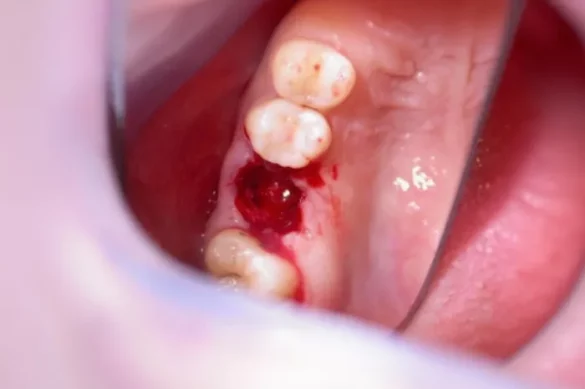
After wisdom tooth extraction, one of the most important signs of healing is the presence of a blood clot in the socket. Understanding what a blood clot looks like in wisdom teeth extraction sites not only helps patients monitor their own recovery but also aids in identifying potential complications such as dry socket. Early recognition and proper care are essential for a smooth healing process.
What Is a Blood Clot After Wisdom Tooth Removal?
A blood clot is a thick, jelly-like mass made from platelets, blood cells, and plasma. It forms in the empty socket left behind after a wisdom tooth is removed. This clot is your body’s natural defense system, protecting the underlying bone and nerve endings from bacteria, food particles, and physical trauma. Its primary job is to form a seal over the wound, allowing new tissue to grow underneath.
How Does the Blood Clot Form?
As soon as your tooth is removed, your body triggers inflammation at the extraction site. Platelets rush in and stick together, clumping up with plasma and blood cells to form a clot. This process is very similar to how a scab forms over a cut on your skin. The clot stabilizes and begins to nurture tissue regeneration and repair, which are crucial steps in the healing process after wisdom tooth removal.
Visual Characteristics of a Blood Clot in Wisdom Teeth Extraction Sites
Typical Appearance
In most cases, the blood clot will look dark red or maroon, sometimes with a jelly-like texture. The socket may appear slightly raised or filled compared to empty or exposed bone. The clot might also look a little shiny due to mixing with saliva.
A healthy blood clot often resembles a small, soft plug sitting neatly inside the socket. Over the next few days, as healing progresses, you may notice some color changes: darker areas may lighten and develop a whitish tissue, known as granulation tissue, which is the body’s way of building new gum and bone.
Natural Variations
- Black marks: These are usually stitches from your dentist or oral surgeon, nothing to worry about.
- Whitish tissue: This may appear around or over the clot—this is granulation tissue forming, which supports the healing process.
Over time, the blood clot will slowly dissolve and be replaced by newly formed tissue.
Signs of a Healthy Blood Clot
Improvement in Symptoms
- Mild discomfort is normal and should gradually improve.
- Swelling should decrease over the days following your surgery.
- No visible empty socket or exposed bone.
No Unpleasant Taste or Odor
A normal healing socket will not produce a bad taste or odor. The presence of unpleasant smells may be a sign of dry socket or infection.
How to Care for a Wisdom Tooth Blood Clot
Do Not Disturb the Clot
It is vital not to disturb or remove the blood clot. Actions such as vigorous rinsing, spitting, sucking through a straw, or chewing near the extraction site can dislodge the clot and increase the risk of complications.
Avoid These Activities
- Smoking
- Drinking through a straw
- Eating hard or sticky foods
- Chewing near the extraction site
These actions can put pressure on the wound, increasing the likelihood that the blood clot will be disturbed.
What Happens If the Blood Clot Is Lost?
A condition known as dry socket (alveolar osteitis) can occur when the blood clot fails to form, dissolves, or is dislodged. In this situation, the socket becomes empty, and the underlying bone and nerves are exposed. This leads to intense pain, delayed healing, and a higher risk of infection.
Dry Socket Signs
- Severe pain that gets worse several days after surgery
- Loss of the blood clot, causing an empty appearance
- Visible bone or tissue
- Unpleasant taste or bad breath
- Slow or delayed healing
If any of these symptoms appear, it is crucial to contact your dentist as soon as possible. Prompt treatment usually involves flushing the area and placing a medicated dressing to manage pain and promote healing.
Blood Clot vs Dry Socket: Key Differences
|
|
|
Time Frame: When Should You Worry?
Blood clots typically form within the first hours after extraction and remain in place for about a week. The risk of dry socket is highest between three to five days post-surgery but decreases significantly after that. For wisdom teeth, healing may take longer than other teeth, sometimes up to two weeks. If swelling, pain, or any strange symptoms persist beyond a week, consult your dentist for evaluation.
When to Contact Your Dentist
You should speak with a dentist if:
- Pain suddenly worsens or does not respond to medication
- There is noticeable swelling, pus, or fever
- Bad taste or odor develops
- The extraction site looks empty or bone is visible
Early intervention can prevent further complications and speed up recovery.
Promoting Healthy Recovery
Follow all post-operative instructions such as gentle mouth rinsing with salt water, taking prescribed medications, and avoiding pressure on the wound. Proper oral hygiene and care for the blood clot are essential for lasting recovery. Seek immediate assistance if you notice any signs of dry socket or infection.
Conclusion
The formation and appearance of a blood clot are crucial indicators of proper healing after wisdom tooth extraction. Typically, a healthy blood clot will look dark red and jelly-like, filling the socket where the tooth was removed. Any disruption to this clot increases the risk of dry socket—a painful condition requiring prompt dental care. By understanding what a blood clot should look like and monitoring for abnormal symptoms, patients can support effective healing and avoid unnecessary pain or complications.
Frequently Asked Questions
What Should I Do If My Blood Clot Falls Out?
Contact your dentist immediately if the blood clot is lost or if the socket appears empty, as you may be developing a dry socket.
Can I eat and drink normally after wisdom tooth extraction?
You should avoid hard, sticky, or chewy foods and do not use a straw for drinking. Follow your dentist’s dietary recommendations.
Is it normal for the blood clot to change color?
Yes, the blood clot may darken initially and then become lighter as healing progresses. White tissue may develop, indicating new gum and bone formation.
How long should the blood clot stay in place?
In most cases, the blood clot should remain firmly in the socket for 7–10 days. It will gradually dissolve as healing completes.
What does a dry socket look like?
A dry socket appears as an empty hole with exposed bone or tissue. It can be very painful and often produces a bad smell or taste.