


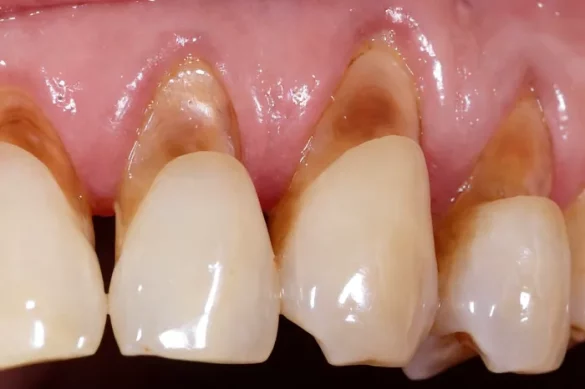
Gum line cavities are often overlooked but can create real problems for your oral health. Understanding what these cavities look like, how they develop, and what symptoms to watch for is crucial in keeping your teeth and gums healthy. In this article, you will learn how a cavity at the gum line appears, the science behind its formation, and steps for timely recognition and care.
What Is a Gum Line Cavity?
A gum line cavity is a form of tooth decay that occurs right at the edge where your tooth meets your gums. Unlike cavities on the biting surfaces of teeth, these cavities impact the smooth side surfaces that are often harder to clean. The gum line is especially vulnerable because as you age, the gums naturally recede, exposing the softer root surface (cementum). Cementum is not as strong as the hard enamel covering your tooth, making it more susceptible to decay and damage.
Causes of Gum Line Cavities
Several factors contribute to the development of cavities at the gum line:
Dental Plaque and Tartar
Plaque is a sticky layer of bacteria that forms on your teeth when bacteria feed on sugars and starches from food and beverages. If not removed, plaque hardens into tartar, which is even more difficult to clean. Tartar can allow bacteria to thrive at the gum line, leading to tooth decay.
Gum Recession
As gums recede—due to aging, aggressive brushing, or gum disease—the softer root surface becomes exposed. This root surface is less resistant to bacteria and develops cavities more easily.
Poor Oral Hygiene
Not brushing or flossing properly leaves plaque and small food debris along the gum line, creating a high-risk area for a cavity to develop.
Dry Mouth and Diet
A dry mouth often results from medication, illness, or dehydration. Saliva helps wash away food and bacteria, so less saliva increases your risk of cavities. Diets high in sugar and acidic foods encourage plaque growth and enamel breakdown, particularly near the gums.
Smoking and Tobacco Use
Tobacco products weaken gum tissue, speed up gum recession, and increase the likelihood of gum line cavities.
What Does a Cavity at the Gum Line Look Like?
Recognizing a cavity at the gum line can be tricky because symptoms often develop slowly. However, there are visual clues you can look for:
Early Signs
- White Spots: In the beginning, you may notice small white spots or lines close to your gum. These indicate the first stage of enamel demineralization as minerals are lost from the tooth.
Progressing Decay
- Brown or Black Spots: As the cavity grows, these spots often darken in color. You may see brown or black stains right at the gum line.
- Pits or Holes: Sometimes a small hole or pit will appear at the gum margin. This area might look like a notch or indented spot where the tooth meets the gum.
Advanced Symptoms
- Visible Cavities: With further progression, the cavity can develop into a visible hole, and the area around it may appear darker than the surrounding tooth surface.
- Swelling or Redness in Gums: The gums next to the decayed area may look swollen, red, or inflamed due to bacterial infection.
- Recession or Notching: If decay persists, gums may recede further around the affected area, making the cavity even more apparent.
Physical Symptoms Associated with Gum Line Cavities
While visual signs are important, your body may also give you clues:
- Tooth Sensitivity: Sensitivity to hot, cold, or sweet foods often accompanies cavities at the gum line. You might notice a quick jolt of pain when drinking cold water or eating a sweet treat.
- Toothache: You could feel discomfort or a persistent ache in your tooth, particularly near the gum.
- Sensitivity to Sweets: The cavity’s exposure can make biting into sugary foods uncomfortable or painful.
- Bad Breath or Bad Taste: Ongoing decay near the gum often leads to noticeable bad breath or a persistent foul taste.
Diagnosing Gum Line Cavities
Dentists use a combination of approaches to identify these cavities:
Visual Examination
They look for color changes, visible holes, or notches near the gum. A dentist may gently probe the area to assess if the tooth feels soft, rough, or hollowed out.
Dental Probes and X-rays
Using special dental tools, your dentist checks for soft spots or roughness. Dental X-rays are crucial, particularly for cavities that might extend below the gum line or between teeth.
Who Is Most at Risk?
Cavities at the gum line can affect anyone, but certain groups are more at risk:
- Older Adults: Gum recession is more common with age, exposing more root surface to decay.
- People with Gum Disease: Periodontal disease increases vulnerability at the gum line.
- Individuals with Poor Oral Hygiene: Infrequent brushing and flossing allows bacteria to accumulate and thrive.
- Smokers and Those with Dry Mouth: Both conditions reduce natural defenses and elevate risk levels.
Complications of Untreated Gum Line Cavities
Ignoring cavities near the gum can have serious consequences, including:
- Infection and Abscess: If decay reaches the pulp of the tooth, infection or abscess can occur, leading to pain and swelling.
- Tooth Loss: Advanced decay weakens the tooth structure and may require extraction.
- Worsening Gum Disease: Ongoing decay around the gum margin worsens periodontitis and may affect surrounding teeth.
- Expensive Treatments: Neglected cavities often need more complex dentistry, such as root canals, crowns, or gum surgery.
Treatment Options for Gum Line Cavities
The best treatment depends on how large and deep the cavity is and whether it extends below the gum line.
Fillings
- Composite Resin: Small to moderate cavities at the gum line are often treated with tooth-colored composite resin fillings. The decayed area is cleaned and the cavity is filled to restore normal function.
Root Canal Therapy
- If the decay has reached the pulp or root of the tooth, root canal therapy is needed. The dentist cleans infected tissue, disinfects the canal, and seals it. A crown may be placed afterward.
Gum Surgery
- For cavities extending below the gum, minor surgery to lift the gum tissue allows better access to clean and fill the cavity.
Crowns
- Severely damaged teeth may require a crown to protect them and restore strength after treatment.
Preventing Gum Line Cavities
Prevention is always better than treatment. Here’s how you can protect your gums and teeth:
- Brush Twice Daily: Use a soft-bristled toothbrush and fluoride toothpaste. Pay special attention to the gum margin.
- Floss Every Day: Floss down to the gum line to remove plaque and food particles.
- Professional Dental Cleanings: See your dentist at least every six months for checkups and professional cleanings.
- Use Fluoride Products: Fluoride toothpaste and mouthwash strengthen enamel and reduce decay risk.
- Balanced Diet: Limit sugar and acidic foods while eating foods rich in vitamins and minerals. Drink plenty of water to keep your mouth hydrated.
- Quit Smoking: Avoid tobacco to support gum health and protect against cavities.
- Address Dry Mouth: If you have dry mouth, consult your dentist for solutions such as saliva substitutes.
Conclusion
Cavities at the gum line can be difficult to recognize at first, but paying close attention to the appearance of white spots, brown or black stains, pits, or holes near the gum is essential for early diagnosis. Tooth sensitivity, gum swelling, and pain are common warning signs. Prompt treatment and consistent oral care are key to protecting your teeth and preventing uncomfortable—and costly—complications. If you suspect a cavity at your gum line or just want to maintain your oral health, regular dental visits and strong hygiene habits are your best defenses against tooth decay near the gum line.
Frequently Asked Questions
What does a cavity at the gum line look like?
A gum line cavity usually appears as a white, brown, or black spot or stain near the tooth’s margin with the gum. It may develop into a small pit or hole and is sometimes accompanied by redness or swelling at the gum.
Is a gum line cavity painful?
Gum line cavities may cause discomfort, sensitivity to hot, cold, or sweet foods, and in advanced cases, a persistent toothache.
Can a gum line cavity heal on its own?
No, once a cavity has formed, it cannot heal by itself. Early decay might be stopped with fluoride, but established cavities need dental treatment.
Who is at the greatest risk for gum line cavities?
Older adults, people with gum recession, smokers, individuals with dry mouth, and those with poor oral hygiene are at higher risk for cavities near the gum line.
How can you prevent cavities at the gum line?
Diligent brushing, flossing, using fluoride-based products, regular dental visits, and choosing a healthy diet are all important steps to prevent gum line cavities.