


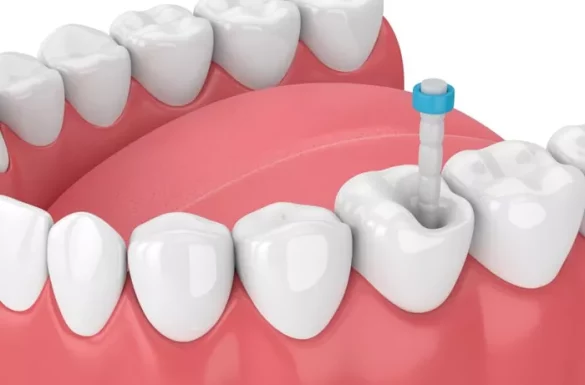
A dental post is a small device used in restorative dentistry to support a tooth that has lost significant structure, usually after root canal therapy. Posts are placed inside the root canal of a tooth and help anchor a crown or other dental restoration securely. Understanding the appearance of a dental post is essential for both dental professionals and patients considering restorative options.
The Purpose of a Dental Post
A dental post serves several important purposes. Primarily, it reinforces the remaining tooth structure. After a root canal, teeth can become weak and brittle. A post stabilizes the tooth and provides a foundation for a crown or bridge. Without a post, large restorations may fail due to insufficient support.
Materials Used in Dental Posts
Dental posts can be made from various materials, each with its own appearance and advantages:
Metal Posts
Metal posts are typically made from stainless steel, titanium, or gold alloys. They appear metallic and solid, with a shiny surface. They are very strong and are often chosen for molars that need high strength.
Fiber Posts
Fiber posts are made from materials like carbon fiber or glass fiber embedded in a resin. They appear translucent or slightly dark. Their flexibility is closer to natural tooth dentin, reducing the risk of root fracture.
Ceramic Posts
Ceramic posts are tooth-colored and are often used in front teeth for aesthetic purposes. They have a smooth, opaque, or slightly translucent appearance, blending well with natural teeth.
Designs and Shapes of Dental Posts
The design of a dental post affects both its appearance and function. Posts come in different shapes to fit various tooth anatomies:
Parallel Posts
Parallel posts have a uniform width along their length. They appear cylindrical and are often smooth or slightly serrated. These posts are easy to insert and provide stable retention for crowns.
Tapered Posts
Tapered posts gradually decrease in diameter from top to bottom. They resemble a cone and are designed to fit the natural shape of the root canal. Their appearance is slender and pointed at the end.
Threaded Posts
Threaded posts have spiral ridges similar to screws. They are metallic or fiber-reinforced and appear ridged or grooved. The threading improves retention within the canal, but careful placement is required to avoid root fractures.
Custom Cast Posts
Custom posts are individually fabricated to fit a specific tooth. They can be metal or ceramic. These posts often have intricate shapes tailored to the root canal and may appear unique compared to standard posts.
Visible Features of a Dental Post
Although dental posts are placed inside the root canal, certain features are noticeable when a crown is removed or in dental imagery:
Length: Posts typically extend most of the root canal length for maximum support.
Surface Texture: Posts may be smooth, threaded, or serrated depending on the design.
Color: Metal posts are shiny or gold-colored; fiber posts are dark or translucent; ceramic posts are tooth-colored.
Diameter: Varies depending on the root size; generally narrow but strong enough to provide retention.
Placement Process and Appearance During Treatment
The dental post is placed after root canal treatment is completed. The steps involve:
Canal Preparation
The dentist removes part of the gutta-percha filling to create space for the post. This space determines the length and thickness of the post that will fit securely.
Post Selection
The dentist selects a post material and design suitable for the tooth. At this stage, the post’s appearance—metallic, translucent, or tooth-colored—is evaluated for compatibility.
Cementation
The post is inserted into the canal using dental cement. Once cemented, it is trimmed if necessary. Only a small portion of the post is visible above the root to anchor the crown.
Dental Posts in X-Rays
Dental posts are easily visible in radiographs. Metal posts appear radiopaque and bright white, fiber posts appear slightly less opaque, and ceramic posts are intermediate. X-rays allow dentists to verify the post’s length, fit, and alignment within the root canal.
Maintenance and Longevity
A dental post itself does not decay, but the surrounding tooth structure can be vulnerable. Proper oral hygiene and regular dental visits are essential. A well-placed post can last many years, supporting crowns and bridges effectively.
Conclusion
Dental posts are small yet crucial components in restorative dentistry. They come in various materials and shapes, including metal, fiber, and ceramic, each with distinct visual and functional properties. Understanding what a dental post looks like helps patients make informed decisions and reduces anxiety about dental procedures. Proper placement and maintenance ensure long-term success, providing stability and support for damaged teeth.