


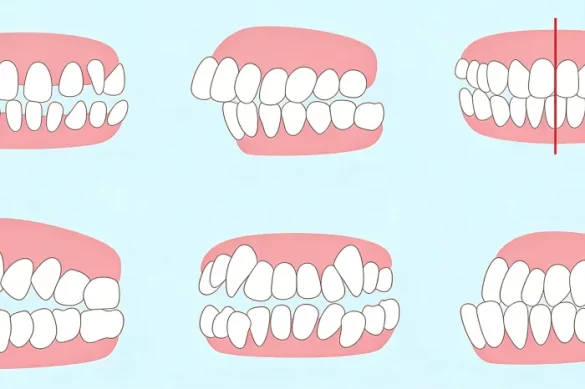
Malocclusion is a time period used to explain a misalignment or wrong positioning of the tooth and jaws whilst the mouth is closed. It manner that the higher and decrease tooth do now no longer healthy collectively as they should. This situation can have an effect on kids and adults alike and is one of the maximum not unusualplace motives human beings are seeking orthodontic treatment.
What Causes Malocclusion?
The improvement of malocclusion is typically multifactorial, this means that there isn’t always a unmarried purpose. Instead, many genetic and environmental elements paintings collectively to form the alignment of the tooth and jaws.
Genetic Factors
Genetics play a good sized position in malocclusion. People can also additionally inherit variations withinside the length or form in their tooth and jawbones from their parents. For instance, if a baby inherits huge tooth from one discern and a small jaw from the different, crowding can result. In a few families, sure forms of jaw alignment, like mandibular prognathism (a jutting decrease jaw visible withinside the well-known Hapsburg royal family), are handed down thru generations.
Environmental and Behavioral Factors
Oral conduct and environmental affects also are important to malocclusion improvement:
- Thumb or finger sucking, mainly past early childhood, can push tooth out of alignment and have an effect on the location of the jaws.
- Prolonged use of pacifiers or bottle-feeding could have comparable effects.
- Mouth breathing, because of allergic reactions or nasal blockages, can also additionally extrade muscle movement and jaw increase in kids.
- Biting on nails, pens, or different gadgets can shift tooth gradually.
- Early lack of infant tooth can also additionally purpose close by tooth to go with the flow into the gap, stopping right eruption of grownup tooth.
Diet additionally affects dental alignment. Eating specially smooth, processed meals reduces the masticatory strain that allows jaws increase normally. Increasingly smooth diets in contemporary-day populations are related to smaller, greater crowded dental arches.
Signs and Symptoms of Malocclusion
Malocclusion can variety from infrequently great to intense issues that have an effect on each day life. Common symptoms and symptoms include:
- Crooked, crowded, or spaced tooth
- Difficulty ultimate the lips or mouth comfortably
- Problems biting or chewing food
- Speech difficulties (like a lisp)
- Frequent biting of the internal cheeks or tongue
- Mouth breathing
- Increased chance of enamel decay or gum sickness because of issue cleansing tooth
- Jaw ache or clicking sounds whilst commencing or ultimate the mouth
- Changes in facial look because of jaw mismatches
While slight instances won’t purpose great issues, slight to intense malocclusions frequently effect oral feature and self-esteem.
Classifications of Malocclusion
Dentists and orthodontists use particular structures to become aware of and classify malocclusion. The maximum famous is “Angle’s classification,” which evaluates the relation among the pinnacle and backside molars.
Class I Malocclusion (Neutrocclusion)
This is wherein the molar courting is normal, however tooth can be crowded, spaced, or misaligned in different ways.
Class II Malocclusion (Distocclusion)
Here, the top tooth and jaw appreciably overlap the decrease tooth and jaw. This frequently seems as a robust overbite or “dollar tooth.” It may be in addition subdivided:
- Division 1: Protruded top the front tooth
- Division 2: Retroclined (tipped backward) top crucial incisors, with overlapping lateral incisors
Class III Malocclusion (Mesiocclusion)
The decrease tooth or jaw challenge in advance of the top, frequently ensuing in an underbite. The chin normally seems extra prominent.
Other Types
- Open chunk: The pinnacle and backside the front tooth do now no longer contact while the mouth is closed, leaving a gap.
- Deep chunk (overbite): The top the front tooth cowl an excessive amount of of the decrease the front tooth.
- Crossbite: Some top tooth chunk withinside the decrease tooth in place of outside.
- Crowding or spacing: Teeth do now no longer well align because of inadequate or immoderate area withinside the dental arch.
Effects and Complications
Malocclusion isn’t only a beauty issue. If left untreated, it could lead to:
- Increased chance of enamel decay and gum disease (because of trapped meals and tough oral hygiene)
- Trauma to sticking out tooth (much more likely to be chipped or broken)
- Chewing and digestive issues (inefficient breakdown of meals)
- Speech issues in a few instances
- Jaw strain, discomfort, or joint issues (TMJ disorders)
- Lowered self-self belief due to dental look
In extreme instances, specifically wherein there’s a mismatch among jaw structures, the face’s profile can change, and surgical correction can be required.
Diagnosis of Malocclusion
Diagnosis starts offevolved with a dental examination. Dentists study the location of the tooth and the manner the jaws meet. X-rays and dental impressions can be used to get a entire picture. Orthodontists then use class structures to explain the precise nature and severity of the malocclusion and plan suitable remedy.
Treatment Options for Malocclusion
Not all malocclusions require remedy. In moderate instances wherein characteristic and look aren’t compromised, commentary may also suffice. However, while intervention is needed, numerous strategies are normally used:
Orthodontic Treatment
Orthodontics is the mainstay of malocclusion remedy. This involves:
- Dental braces (metal, ceramic, or clean aligners) to softly circulate tooth into accurate positions
- Retainers to preserve alignment after energetic remedy ends
- Removable or constant dental home equipment, specifically for kids or moderate issues
Tooth Extraction
When the mouth is simply too crowded, enamel extractions may also create area for the last tooth to align correctly. This is most usually required in extreme instances of crowding or wherein person tooth can’t erupt.
Growth Modification
In kids and adolescents, positive gadgets assist manual bone increase. Functional home equipment or headgear can affect jaw role at the same time as the face remains developing. These are hardly ever utilized in adults considering the fact that bone increase is entire.
Surgical Options
In intense skeletal instances (misaligned jaws, underbites, overbites, or facial asymmetry) that can not be corrected with braces alone, surgical repositioning of the jaws (orthognathic surgery) can be needed. This is typically mixed with orthodontic remedy for the first-class results.
Prevention and Early Intervention
While now no longer all malocclusions are preventable (genetics play a sturdy role), a few measures can decrease the danger:
- Avoid thumb-sucking and pacifier use past early childhood
- Practice proper dental hygiene to maintain the fitness of number one teeth
- Eat a various eating regimen that consists of chewy, fibrous ingredients to sell sturdy jaw development
- Have kids evaluated through a dentist earlier than age 7, as endorsed through maximum orthodontic associations
- Treat reassets of mouth-respiration, consisting of hypersensitive reactions or enlarged adenoids, early
The Importance of Timely Orthodontic Evaluation
Because the jaw and face broaden unexpectedly in childhood, early intervention can also additionally save you extra excessive troubles later. Even if remedy is delayed, an early orthodontic evaluation can spot capability problems and permit tracking as a toddler grows.
Conclusion
Malocclusion is a huge dental difficulty stemming from a variety of genetic, environmental, and behavioral factors. Its results are extra than cosmetic, frequently impacting chewing, oral fitness, speech, and confidence. Modern orthodontics gives numerous powerful solutions, from braces to surgical interventions, tailor-made to every character situation. Early detection and remedy, specifically in developing kids, can save you extra complicated troubles in adulthood. It is critical to preserve ordinary dental checkups and are seeking for well timed professional steerage for finest oral and fashionable fitness.
Frequently Asked Questions (FAQs)
What are the principle reasons of malocclusion?
Malocclusion is typically due to a mixture of genetics and behavior consisting of thumb sucking, early lack of teeth, or mouth-respiration for the duration of development.
Does each malocclusion want remedy?
No, slight instances that don’t reason pain or have an effect on look might not require intervention, however a dental expert have to nonetheless examine all instances.
Can malocclusion have an effect on normal fitness?
Yes. Besides look, malocclusion could make oral hygiene difficult, growth the danger of enamel decay and gum disease, and reason troubles with chewing and speech.
What age is first-class for orthodontic assessment?
Most professionals propose the primary orthodontic evaluation earlier than age 7. Early assessment guarantees well timed detection and control of growing problems.
How lengthy does orthodontic remedy take?
The length varies in step with the severity of the case and selected remedy however normally degrees from 1 to three years, accompanied through retainer use to preserve results.