


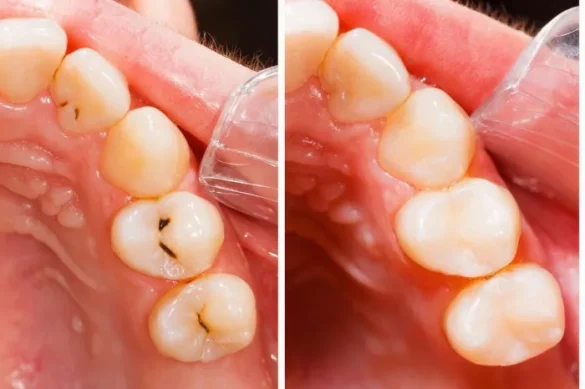
Resin-based composites have revolutionized dental work, offering patients a blend of durability, aesthetics, and minimally invasive treatment options. These materials, widely used in restorative dentistry, have become the go-to choice for treating tooth decay, repairing minor damage, and enhancing the appearance of teeth. Understanding what resin-based composites are and how they function helps patients make informed decisions about their oral health.
What Is a Resin Based Composite?
A resin-based composite is a dental restorative material primarily made from synthetic resins combined with filler particles. These composites are carefully engineered to replicate the look, strength, and function of natural tooth structure. The main components of a resin-based composite include:
- A polymer matrix, usually derived from Bis-GMA or similar dimethacrylate monomers.
- Inorganic fillers, such as silica or specialized glass, which improve strength and wear resistance.
- A photoinitiator, which allows the material to harden or cure when exposed to specific wavelengths of light, typically blue light.
This combination results in a pliable paste that dentists can shape into a cavity or damaged tooth area, then set firmly in place using a curing light. The cured composite bonds directly to the tooth, restoring integrity and appearance.
Historical Development of Resin Based Composites
The evolution of resin composites traces back to advances in synthetic chemistry and the need for better dental materials. Initial resin cements were valued for their insolubility, ease of handling, and ability to mimic the appearance of teeth. However, early versions struggled with poor color stability and mechanical properties. Over time, improvements in filler technology, resin formulation, and curing techniques have led to today’s highly effective composites.
Chemically cured composites required mixing two pastes containing activators and initiators, but these demanded quick work before the material set. The advent of light-curing composites in the late 1970s introduced more working time and improved clinical outcomes, resulting in longer-lasting and more reliable restorations.
How Resin Based Composites Are Used in Dentistry
Dentists use resin-based composites to:
- Fill cavities caused by tooth decay (often called dental fillings)
- Repair chipped or broken teeth
- Close gaps between teeth
- Replace damaged dental structures in cosmetic procedures
- Restore worn or eroded tooth surfaces
Resin composites can be placed directly in the mouth by the dentist (direct restorations) or processed externally and bonded to the tooth (indirect restorations like crowns or bridges).
Composition Explained: Key Ingredients and Their Functions
Polymer Matrix
The backbone of the composite is the resin matrix, commonly Bis-GMA or UDMA. This material gives flexibility but needs reinforcement for strength. Without fillers, pure resin would wear quickly and shrink excessively when cured.
Inorganic Fillers
Fillers are crucial for durability. They can be glass, ceramic, or silica-based particles. The type and amount of filler affect the composite’s strength, how easy it is to polish, and its resistance to wear. There are several types of fillers:
- Macrofilled (large particles): Strong but rough and hard to polish
- Microfilled (small particles): Smooth finish but less strength
- Hybrid and nanofilled (varied sizes): Balance of strength, polishability, and aesthetics
Photoinitiators and Other Additives
A substance like camphorquinone acts as a photoinitiator, enabling the material to harden when exposed to blue light. Other additives control moisture sensitivity and shelf life.
Placement Procedure and Technique Sensitivity
Proper placement of resin-based composites requires skill and attention to detail. The basic steps include:
- Cleaning and preparing the tooth
- Keeping the area dry to ensure adhesion
- Shaping the composite material in layers (usually 2–3 mm thick)
- Using a curing light for each layer
- Finishing and polishing to match natural tooth contours
Working in increments helps ensure complete curing and reduces the risk of soft spots that could fail over time. Moisture during placement, incorrect layering, or inadequate curing may result in compromised bonding.
Advantages of Resin Based Composites
Excellent Aesthetics
The most celebrated benefit is their ability to mimic natural tooth color and translucency. Composites can be custom-tinted, making restorations nearly invisible—especially important for front teeth.
Direct Bonding to Tooth Structure
Resin composites bond micro-mechanically to enamel and dentin using an acid-etch and adhesive system, preserving more natural tooth structure compared to traditional amalgam, which relies on mechanical retention.
Minimally Invasive and Conservative
Because composites bond to the tooth, less healthy tissue must be removed. This allows more conservative cavity preparations and preserves overall tooth integrity.
Repairability and Versatility
Minor repairs to composite fillings are simple and usually do not require total removal. They are also adaptable for various dental situations, including veneers, inlays, and onlays.
No Mercury Content
Unlike amalgam fillings, which contain mercury, resin-based composites pose no such environmental or health concerns.
Prolonged Working Time
Light-curing technology means dentists can take more time to shape restorations before hardening, leading to more precise results.
Disadvantages and Challenges
Shrinkage and Microleakage
Resin composites shrink slightly when cured. This can create gaps between the filling and the tooth, allowing saliva and bacteria to penetrate and potentially cause secondary decay.
Technique Sensitivity
Successful composite restorations depend on proper technique. Factors like moisture control, incremental placement, and curing accuracy are critical. Mistakes can lead to reduced longevity and possible failure.
Durability
While composites are quite strong, especially newer hybrid and nanofilled versions, they may not always be as durable as amalgam for very large fillings or in areas under heavy chewing forces.
Placement Time and Cost
Applying composite fillings often takes more time than amalgam. This can be challenging for patients who find long dental visits difficult, and may also result in somewhat higher costs—especially if insurance coverage is limited.
Innovations in Resin Composite Technology
Recent advances focus on improving durability, reducing shrinkage, and enhancing bonding to tooth tissue. Nanohybrid fillers, improved adhesive systems, and low-shrinkage resins are making composites more suitable for a broader range of dental situations, including complex or large restorations.
Researchers are also exploring new formulations to minimize potential interactions between resin components and bacteria, aiming for longer-lasting results and fewer secondary caries.
Making a Treatment Decision: Is Resin-Based Composite Best for You?
Choosing the right restorative material depends on individual needs, tooth location, cost considerations, and aesthetic goals. Resin-based composites are ideal for highly visible repair work, for patients concerned about conserving natural tooth tissue, and for anyone seeking a mercury-free, natural-looking restoration.
Dentists will evaluate your unique situation before recommending resin composites, considering any factors that might affect the success and longevity of the restoration, such as oral hygiene habits, diet, and the size and position of the cavity.
Conclusion
Resin-based composites stand out in modern dental work as versatile, attractive, and tooth-saving materials. Their ability to bond directly to teeth, blend in with natural enamel, and enable minimally invasive treatments has made them a preferred choice among patients and clinicians. Though they require precise technique and careful application, advances in material science continue to expand their effectiveness, making resin-based composites vital in restoring smiles and preventing further dental problems.
Frequently Asked Questions
What are the main ingredients of a resin-based composite?
Resin-based composites contain synthetic resins (often Bis-GMA), inorganic fillers like silica or glass, photoinitiators, and other additives to provide strength, handling properties, and curing ability.
How long does a resin-based composite filling last?
With proper placement and oral care, composite fillings may last 7–10 years, sometimes longer, depending on the tooth’s position and load.
Can resin composites be used for both front and back teeth?
Yes. Advances in filler technology and improved adhesives allow composites to be used in most dental restorations, both for aesthetic anterior teeth and functional posterior teeth.
Are resin composites safe?
They are considered safe, with no mercury and minimal allergic reactions reported. Good technique and regular dental checkups ensure ongoing safety and effectiveness.
Why would a dentist recommend a composite over an amalgam filling?
Composites are recommended for their aesthetic benefits, direct bonding ability, and tooth-sparing preparation. Amalgam may be suggested for very large or high-stress restorations but is declining in popularity due to concerns over mercury and appearance.