


It can be deeply frustrating to feel pain in your teeth when a dental exam shows you have no cavities. Many people believe that cavities are the only reason for a toothache, but tooth pain can have many other hidden causes. Understanding the reasons behind tooth pain without cavities is crucial for getting proper dental care and relief.
Tooth Pain Without Cavities: A Common Situation
Tooth pain often signals a problem inside your mouth, but not all dental discomfort points to decay. Even if you have excellent oral hygiene and regular dental checkups, you may still experience a toothache. This is because a variety of dental and systemic factors can irritate the nerves in your teeth.
What Happens Inside the Tooth: The Science of Pain
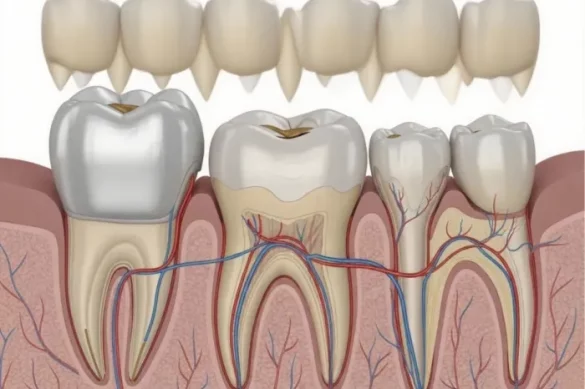
Your teeth have an inner layer called dentin that is sensitive to stimulation. When the dentin’s tubules are exposed by enamel loss or gum recession, they can transmit pain to the dental nerve even though no cavity is present. Sometimes, the pain might not even originate from the tooth itself but from surrounding tissues or nerves.
Common Causes for Tooth Pain Without Cavities
Hairline Fractures or Cracked Teeth
Tiny cracks in teeth can develop from biting hard foods, grinding, or sudden temperature changes. These cracks may be invisible to the naked eye or even dental X-rays. Signs of a cracked tooth include:
Sharp pain when biting, especially on hard foods.
Sensitivity to hot, cold, or sweet substances.
Pain that comes and goes, instead of being constant.
Cracks can make teeth vulnerable to infection and may require professional intervention like dental bonding or crowns.
Gum Disease: Inflammation and Infection
Gum disease is one of the most common causes of tooth pain unrelated to cavities. Plaque and bacteria build up around the gums, leading to swelling, redness, and soreness. Gum disease comes in two main types:
Gingivitis: Mild inflammation with gum tenderness and bleeding.
Periodontitis: Advanced infection with gum recession, tooth mobility, and occasionally pus.
The pain from gum disease usually feels dull and aching, with symptoms like persistent bad breath and receding gums.
Teeth Grinding and Clenching (Bruxism)
Many people grind or clench their teeth, often during sleep, and might not realize they are doing it. This habit can cause:
Generalized tooth pain or soreness.
Jaw, facial muscle pain, or headaches.
Enamel wear and small cracks.
Over time, bruxism exposes more sensitive areas of the tooth and can lead to discomfort even without cavities. Night guards or behavioral therapy can help alleviate this problem.
Tooth Sensitivity: Exposed Dentin
Enamel erosion (from acidic foods, aggressive tooth brushing, or grinding) affects many people and can make teeth sensitive. When you lose enamel, dentin is exposed, which reacts to:
Hot, cold, or sweet foods.
Sensitivity near the gum line.
Pain during brushing.
Using toothpaste formulated for sensitive teeth and gentle brushing techniques can reduce symptoms.
Sinus Infections: Referred Tooth Pain
Sometimes, tooth pain originates outside the mouth. The roots of upper molars are very close to your sinuses. If you have a sinus infection, inflammation and pressure can cause pain in your upper teeth. If tooth pain is accompanied by nasal congestion, facial pressure, or headaches, sinusitis could be responsible.
Nerve-Related Disorders and TMJ Problems
Occasionally, tooth pain stems from nerve issues or jaw joint (temporomandibular joint or TMJ) dysfunction. Signs include:
Pain near the jaw joint.
Clicking or popping when moving the jaw.
Headaches or earaches.
TMJ problems may result from injury, arthritis, or bruxism. Treatment can range from jaw exercises and medication to dental appliances.
Impacted Wisdom Teeth
If your wisdom teeth are not fully erupted, they might press against neighboring teeth beneath the gum surface. This can cause pain, swelling, and occasionally infection— even when the teeth look healthy. Sometimes, extraction is the only solution to relieve discomfort.
Dental Abscess or Deep Infection
Although rare without visible decay, a tooth or gum infection can occur deep within the tissues. Symptoms include severe, constant pain, swelling of the face or gums, pus, fever, and general illness. Dental abscesses require urgent treatment to prevent serious complications. In many cases, root canal therapy or extraction may be necessary.
When Is Tooth Pain a Dental Emergency?
Most tooth pain should be evaluated by a dentist, but certain signs mean you need immediate attention:
Intense, persistent pain that doesn’t improve.
Swelling of the gums, face, or jaw.
Fever or pus drainage.
Difficulty opening the mouth or swallowing.
Rapid treatment can prevent infections from spreading and reduce the risk of tooth loss.
How Dentists Diagnose the True Cause
Dentists conduct thorough exams, sometimes using X-rays or special tests, to locate the source of pain. They check for cracks, gum health, signs of bruxism, and sinus involvement. Even invisible fractures or jaw problems can be detected with specialized equipment and expertise.
Proven Treatments for Tooth Pain Without Cavities
After diagnosis, treatment depends on the underlying cause. Possible treatments include:
Dental bonding or crowns for cracked teeth.
Deep cleaning, scaling, or root planing for gum disease.
Night guards for teeth grinding.
Desensitizing toothpaste or fluoride application for sensitivity.
Medications or sinus treatments for referred pain.
TMJ appliances or therapies for jaw issues.
Extraction or root canal for abscesses or impacted teeth.
Your dentist will tailor the remedy to your specific needs to achieve relief.
How to Minimize Future Tooth Pain
Take these steps for prevention:
Brush gently with a soft toothbrush.
Limit acidic foods and beverages.
Wear night guards if you grind your teeth.
Use mouthguards during contact sports.
Schedule regular dental visits to catch hidden problems early.
Treat gum disease promptly to avoid complications.
Conclusion
Tooth pain is not always a sign of cavities. Problems like gum disease, cracks, bruxism, sensitivity, sinus issues, and nerve disorders can all cause discomfort in healthy-looking teeth. If you’re experiencing unexplained tooth pain, it’s important to seek dental care quickly. Early diagnosis and targeted treatment can prevent more serious problems, protect your oral health, and restore comfort to your daily life.
FAQs
Why do my teeth hurt if I have no cavities?
Pain can stem from gum disease, enamel erosion, tooth fractures, teeth grinding, sinus infections, or nerve issues, even if no cavity is found.
Is tooth pain without a cavity serious?
Yes, persistent tooth pain could indicate infection, injury, or gum disease—all conditions needing professional evaluation.
Can stress cause tooth pain?
Stress can lead to grinding or clenching your teeth, potentially triggering pain or sensitivity without cavities.
What should I do if my tooth pain comes and goes?
Even intermittent pain can point to underlying problems. It is always best to see a dentist for a proper diagnosis.
How can I prevent non-cavity toothaches?
Good oral hygiene, gentle brushing, regular dental visits, and addressing bruxism or gum issues early can help reduce the risk of tooth pain without cavities.