


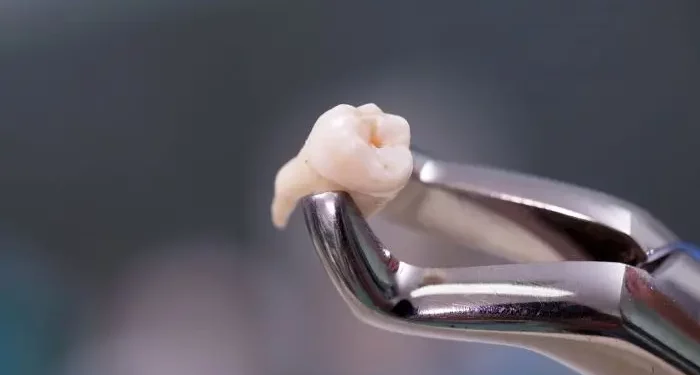
Tooth extraction can be a daunting prospect for many people, whether due to dental issues, injury, or orthodontic needs. While it is always advisable to seek professional help from a dentist, there are circumstances where individuals may consider pulling out a tooth at home. This article provides a thorough overview of the easiest methods for tooth extraction, the necessary precautions, and the aftercare required to ensure a smooth recovery.
Understanding Tooth Extraction
Tooth extraction is the process of removing a tooth from its socket in the bone. This procedure is commonly performed by dentists for various reasons, including:
Decay: Severe cavities that compromise the tooth’s integrity.
Infection: Abscessed teeth that pose a risk to overall health.
Crowding: Teeth that need to be removed to make space for orthodontic treatment.
Impaction: Wisdom teeth that do not erupt properly.
Types of Tooth Extractions
Simple Extraction: This is performed on teeth that are visible in the mouth. The dentist loosens the tooth with an instrument called an elevator and removes it with forceps.
Surgical Extraction: This is required for teeth that are not easily accessible, such as impacted wisdom teeth. It involves making an incision in the gum to access the tooth.
Preparing for Tooth Extraction
When to Consider Home Extraction
While professional dental care is the safest option, some individuals may find themselves needing to extract a tooth at home due to:
Financial constraints: Dental care can be expensive, and some may not have access to a dentist.
Emergency situations: In cases of severe pain or infection where immediate dental care is unavailable.
Assessing the Tooth
Before attempting to extract a tooth at home, it is crucial to assess the situation:
Identify the Tooth: Ensure you know which tooth you need to extract. Molars and wisdom teeth are generally more complicated to remove than incisors.
Check for Mobility: Gently wiggle the tooth with your fingers. If it moves easily, it may be a candidate for extraction.
Precautions
Consult a Professional: Whenever possible, speak with a dentist before attempting a home extraction to understand the risks involved.
Understand the Risks: Home extractions can lead to complications such as excessive bleeding, infection, and damage to surrounding teeth or tissues.
Gather Supplies: If you decide to proceed, gather the necessary tools:
Sterile gloves
Dental floss or gauze
An antiseptic solution
Ice pack
Over-the-counter pain relievers
Step-by-Step Guide to Tooth Extraction at Home
Step 1: Prepare Your Environment
Clean the Area: Ensure that the area where you will perform the extraction is clean and well-lit.
Wash Your Hands: Thoroughly wash your hands and put on sterile gloves to prevent infection.
Step 2: Numb the Area
While it is not possible to achieve complete anesthesia at home, you can use over-the-counter numbing gels or oral pain relievers to help minimize discomfort.
Step 3: Loosen the Tooth
Use Dental Floss: Tie a piece of dental floss around the tooth, making sure it is secure.
Wiggle Gently: Gently wiggle the tooth back and forth to loosen it. This may take several minutes.
Step 4: Pull the Tooth
Use Steady Pressure: Once the tooth feels loose, pull it out with a steady, firm motion. Avoid jerking or twisting the tooth, as this can cause damage to the surrounding gum tissue.
Use Pliers as a Last Resort: If the tooth does not come out easily, do not force it. If necessary, you can use pliers, but be extremely careful to avoid breaking the tooth or injuring yourself.
Step 5: Control Bleeding
Apply Pressure: After the tooth is removed, place a piece of sterile gauze over the extraction site and bite down firmly for 30 minutes to control bleeding.
Use Ice: Apply an ice pack to the outside of your cheek to reduce swelling.
Aftercare Following Tooth Extraction
Immediate Care
Avoid Rinsing: Do not rinse your mouth for the first 24 hours to allow the blood clot to form properly.
Eat Soft Foods: Stick to soft foods like yogurt, mashed potatoes, and smoothies for a few days.
Stay Hydrated: Drink plenty of fluids, but avoid straws, as suction can dislodge the blood clot.
Long-Term Care
Monitor for Infection: Watch for signs of infection, such as increased pain, swelling, or pus discharge. If these occur, seek professional help immediately.
Pain Management: Continue taking over-the-counter pain relievers as needed.
Maintain Oral Hygiene: After 24 hours, gently rinse your mouth with warm salt water to keep the area clean.
Recognizing Complications
Even with careful extraction and aftercare, complications can arise. Here are some signs to watch for:
Severe Pain: If pain worsens rather than improves, it may indicate an infection or dry socket.
Excessive Bleeding: If bleeding does not subside after 30 minutes of applying pressure, seek medical attention.
Fever: A fever may indicate an infection and should be addressed by a healthcare professional.
When to Seek Professional Help
If you experience any of the following, contact a dentist immediately:
Persistent Pain: Pain that does not improve with over-the-counter medications.
Signs of Infection: Increased swelling, redness, or discharge from the extraction site.
Difficulty Breathing or Swallowing: These symptoms may indicate a severe allergic reaction or other complications.
Conclusion
While pulling out a tooth at home may seem like a feasible option in certain situations, it is essential to weigh the risks and benefits carefully. Professional dental care is always the safest and most effective choice. However, if you find yourself in a position where home extraction is necessary, following the steps outlined in this guide can help you do so with minimal complications. Always prioritize your health and well-being, and do not hesitate to seek professional help when needed.
Related topics:
What Happens if You Don T Get a Rotten Tooth Pulled
What Happens if You Wait Too Long to Pull a Tooth
Why Is Tooth Decay Bad
Tags: curedental careorthodonticorthodontic treatmentteethtoothtooth extractionwisdom teeth