


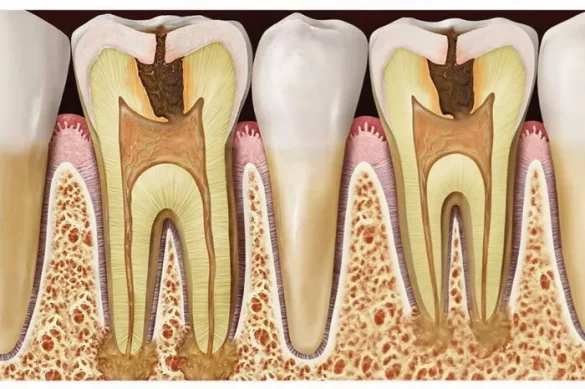
Tooth pain that does not go away or a swelling in your gums can be a sign of something serious inside your tooth. Many people hear about root canals but are not sure what the real cause is. Understanding why a root canal might be necessary is key to keeping your teeth healthy and avoiding problems in the future.
What Is a Root Canal?
A root canal is a dental procedure designed to save a tooth that is badly damaged or infected. Each of your teeth has a soft inner tissue called the pulp, which contains nerves and blood vessels. When this pulp becomes infected or inflamed, it can cause severe pain, swelling, and sometimes a dental abscess. The root canal procedure removes the infected pulp, thoroughly cleans the canal inside the tooth, and seals it to prevent further infection.
The Main Cause: Deep Tooth Decay
The single main cause of needing a root canal is deep tooth decay. Tooth decay happens when bacteria in your mouth break down sugars, producing acids that slowly eat away at your tooth’s outer layers. If cavities are not treated early, the decay can reach the inner layers and finally the pulp. When bacteria invade the pulp, an infection develops. This infection triggers your body’s immune response, causing pain, swelling, and sometimes pus-filled abscesses. If left untreated, the infection can spread to the bone supporting your teeth or even to other parts of your body.
How Decay Develops
The process usually starts with small cavities in the enamel, the outermost part of the tooth. Enamel protects the softer tissues inside, but over time, repeated acid attacks cause holes. If you do not visit the dentist or keep up with good oral hygiene, these cavities expand and move deeper. When cavities go through the next layer, called dentin, pain usually starts. However, not all deep decay causes symptoms right away. That is why regular dental check-ups and x-rays are important—they can catch dangerous cavities before they cause pain or major problems.
Other Common Causes of Root Canal Treatment
While deep tooth decay is the leading cause, there are other reasons a root canal might be needed.
1. Tooth Fractures or Cracks
A cracked or fractured tooth can expose the pulp tissue to bacteria. Sometimes, cracks are caused by biting hard objects, clenching or grinding your teeth, eating very tough foods, or dental injuries. Even tiny hairline fractures let bacteria slip into the pulp chamber. Once inside, bacteria can multiply and cause infection, leading to pain, swelling, or changes in tooth color. Cracked teeth may hurt a lot, especially while chewing, but sometimes they cause no obvious symptoms until an infection is advanced.
2. Trauma or Injury
A blow to the face or mouth—from a sports accident, a fall, or a car collision—may damage the pulp even when there are no visible chips or cracks on the tooth. In some cases, trauma during childhood can lead to pulp death years later. The nerves and blood vessels may slowly die off inside, creating a hidden infection. The result is similar: pain, swelling, or an abscess that calls for root canal treatment.
3. Repeated Dental Procedures or Large Fillings
Sometimes, repeated dental work on the same tooth wears out or irritates the pulp. Each time a tooth is drilled or restored, there is a risk of accidental injury to the pulp. Placing large fillings or crowns, or removing old fillings and replacing them, can also traumatize the nerve. Damaged or inflamed pulp can either recover after some time or progress to die and get infected, requiring a root canal to save the tooth.
4. Faulty Dental Restorations
A poorly fitting filling or crown leaves gaps or leaks that can allow bacteria to get inside and infect the pulp. Even if a tooth looks normal on the outside, bacteria may slowly seep past these weak spots over time, causing chronic inflammation or infection.
Why Is the Pulp So Vulnerable?
The pulp is protected by the enamel and dentin. But once bacteria break through these layers, the pulp has limited ways to defend itself. The body’s immune response can cause pressure to build up inside the tooth, causing pain and damage. Teeth cannot heal large infections on their own, and antibiotics have little effect inside hard dental tissues. If untreated, the infection can eat away at the surrounding jawbone, loosen the tooth, and even cause swelling in the face or neck.
Signs You Might Need a Root Canal
Symptoms are different for everyone, and sometimes you may not feel any pain until the infection becomes severe. Possible warning signs include:
- Persistent toothache or pain that spreads to the face, jaw, or nearby teeth
- Sensitivity to hot, cold, or sweet foods and drinks
- Swollen or tender gums near the problem tooth
- A pimple or boil on the gums that may ooze pus
- Darkening or discoloration of the tooth
- Swelling in the jaw area
- A loose or wobbly tooth
Not everyone with these symptoms needs a root canal, but they do indicate that something is wrong and should not be ignored. Early diagnosis and treatment can help save your tooth and avoid further complications.
Diagnosis: How Dentists Decide If You Need a Root Canal
Dentists use a combination of exams, tests, and x-rays to check the health of your tooth. They may gently tap the tooth, test for hot or cold sensitivity, and examine any swelling or abscesses. X-rays show if there’s an infection in the pulp or damage to the jawbone. In tough cases, an electric pulp test may also be used to check whether the pulp is still alive. Once it’s clear that the pulp is infected or dead, a root canal is usually the best way to relieve pain and save your natural tooth.
Preventing the Need for a Root Canal
Most root canals can be prevented by taking good care of your teeth and gums. Here’s what you can do:
- Brush your teeth at least twice a day with fluoride toothpaste
- Floss every day to remove food and bacterial plaque between teeth
- Visit your dentist regularly for check-ups and professional cleanings (at least every six months)
- Address cavities, chips, or cracks early before they worsen
- Wear a mouthguard if you play contact sports
- Avoid chewing on ice, popcorn kernels, or hard objects
- Limit foods that are high in sugar or starches, which feed bacteria
Good oral hygiene is the simplest and most effective step to protect your teeth from deep cavities. Regular dental visits can help find and treat problems before they turn serious.
The Importance of Timely Treatment
If tooth decay or trauma is ignored, the infection may spread beyond the tooth to the surrounding bone, face, and even other parts of your body. Severe infections sometimes require not only a root canal, but also tooth removal or more advanced treatments. Early dental care is vital to preserving your natural teeth and maintaining your overall health. If you notice any unusual symptoms in your mouth, don’t wait—see your dentist promptly.
Conclusion
The main cause of needing a root canal is deep tooth decay that allows bacteria to reach and infect the pulp inside your tooth. Other significant causes include cracks, trauma, and repeated dental treatments that damage the tooth’s inner tissues. Preventing severe decay through proper oral hygiene and routine dental visits is the most effective way to avoid the pain and expense of root canal procedures. If you experience symptoms such as persistent toothache or swollen gums, consult your dentist immediately. Early diagnosis and proper treatment can save your tooth and help you keep a healthy, confident smile for life.
Frequently Asked Questions (FAQs)
What is the main cause of needing a root canal?
Deep tooth decay that allows bacteria to infect the soft pulp at the center of the tooth is the primary cause.
Can trauma cause the need for a root canal even if I don’t see a chip?
Yes. An accident or blow can damage nerves inside a tooth without visible signs, leading to later infection and need for a root canal.
How can I avoid needing a root canal?
Brush and floss daily, visit your dentist regularly, avoid hard foods that can crack teeth, and seek prompt care for any dental injuries or cavities.
Is a root canal painful?
Modern anesthesia and dental techniques make root canals as comfortable as getting a routine filling.
Will a root canal save my tooth?
Yes, in most cases a root canal will remove the infection and allow you to keep your natural tooth for many years, often for life.