


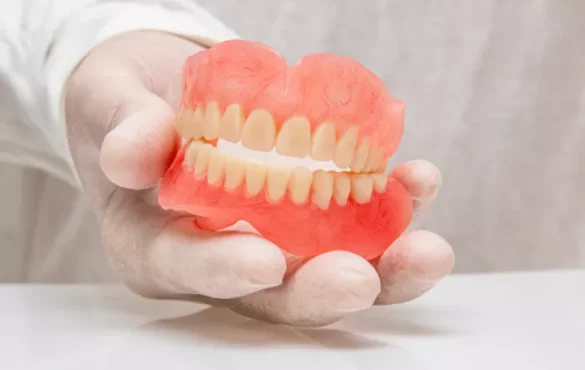
Medicare is a federal health insurance program primarily for people aged 65 and older. It also covers certain younger people with disabilities or chronic conditions. Medicare is divided into parts: Part A (hospital insurance), Part B (medical insurance), Part C (Medicare Advantage), and Part D (prescription drug coverage). Standard Medicare does not include routine dental care. This often causes confusion about whether dentures are covered and how often they can be replaced.
Medicare Parts and Their Role in Dental Care
Medicare Part A
Part A covers inpatient hospital services. In rare cases, if dentures are medically necessary following a hospital procedure, Part A may cover a portion of the costs. This coverage is extremely limited and usually only applies in hospital settings.
Medicare Part B
Part B primarily covers outpatient medical care. Routine dental services, including dentures, are generally not included. However, some exceptions exist if dental work is needed as part of a medically necessary procedure. For example, reconstructive dental work following an accident or cancer surgery may be partially covered.
Medicare Advantage Plans (Part C)
Some Medicare Advantage plans offer dental coverage, including dentures. These plans are provided by private insurers approved by Medicare. Coverage varies by plan, including limits on the number of dentures per year or per lifetime. Beneficiaries should carefully review their plan documents to understand how often dentures may be covered.
How Often Will Medicare Pay for a Set of Dentures
Medicare itself does not have a standard schedule for paying for dentures. Coverage frequency depends largely on the specific Medicare Advantage plan or supplemental dental insurance. Generally:
Original Medicare (Parts A and B) usually does not cover dentures at all.
Medicare Advantage plans may cover dentures once every five years, once per decade, or as medically necessary, depending on the plan.
Some plans may cover partial dentures or repairs more frequently.
Factors Affecting Denture Replacement
The frequency at which Medicare pays for dentures can depend on several factors:
Age of the dentures: Most plans will not cover replacement dentures until the previous set is worn out or damaged beyond repair.
Medical necessity: Dentures needed due to trauma, surgery, or disease may be covered sooner.
Plan-specific limits: Each Medicare Advantage plan sets its own replacement policies, including waiting periods.
Medicare Supplement and Dental Insurance Options
Because Original Medicare has limited dental coverage, many beneficiaries purchase additional dental insurance or Medicare Supplement plans. These supplemental plans can help cover the cost of dentures and determine how often replacements are allowed.
Private Dental Insurance
Private dental insurance may cover dentures with specific frequency limits. Common replacement schedules include:
- Every 5 years
- Every 7 years
- As needed based on wear or medical conditions
It is essential to review the policy carefully to understand coverage restrictions.
Medicaid and State Programs
Medicaid coverage for dentures varies by state. Some states cover dentures once every 5 years or as medically necessary. Others may provide more limited or no coverage. Checking state Medicaid rules is crucial for understanding how often dentures can be paid for.
Cost Considerations and Out-of-Pocket Expenses
Even when Medicare Advantage or supplemental dental insurance covers dentures, out-of-pocket costs may remain. These costs can include:
- Deductibles
- Co-pays
- Coinsurance percentages
- Costs for upgraded materials
Understanding these expenses can help beneficiaries plan for denture replacement and avoid unexpected financial burdens.
Strategies to Minimize Costs
Beneficiaries can take steps to reduce denture-related expenses:
Compare multiple Medicare Advantage or supplemental dental plans.
Check if dental schools offer discounted denture services.
Maintain proper denture care to extend the lifespan of the prosthetic.
Request quotes from multiple dental providers to find affordable options.
Tips for Managing Denture Replacement
Proper planning and care can maximize the benefits of Medicare and dental insurance:
- Keep records of denture installation dates.
- Regularly visit the dentist for check-ups to detect wear early.
- Understand your insurance plan’s replacement rules.
- Ask the dentist about repair options before requesting a full replacement.
Maintaining Denture Health
Good denture hygiene can extend the life of your prosthetics. Recommended practices include:
- Daily cleaning with non-abrasive denture cleansers.
- Soaking dentures overnight in a solution recommended by your dentist.
- Avoiding hot water that can warp dentures.
- Handling dentures carefully to prevent cracks or chips.
FAQs
Does Original Medicare Ever Pay for Dentures?
In most cases, Original Medicare does not cover dentures. Exceptions are extremely rare and limited to hospital-related medical procedures.
How Often Can I Replace Dentures with Medicare Advantage?
The frequency depends on the specific plan. Most plans allow replacement every 5–10 years or as medically necessary. Plan documents specify the exact schedule.
Can I Get Partial Dentures Covered?
Some Medicare Advantage and supplemental dental plans cover partial dentures. Coverage is often limited to one replacement every few years.
What If My Dentures Break?
Coverage for repairs may be more flexible than replacement coverage. Some plans cover minor repairs without waiting for a full replacement cycle.
Conclusion
Medicare alone rarely pays for dentures, and frequency limits depend on plan type. Original Medicare provides almost no denture coverage. Medicare Advantage plans or supplemental dental insurance may cover dentures once every few years or as medically necessary. Understanding your plan’s rules, maintaining good denture care, and exploring additional dental insurance can help beneficiaries manage costs and replacement schedules effectively. Staying informed ensures that denture needs are met without unexpected financial strain.