


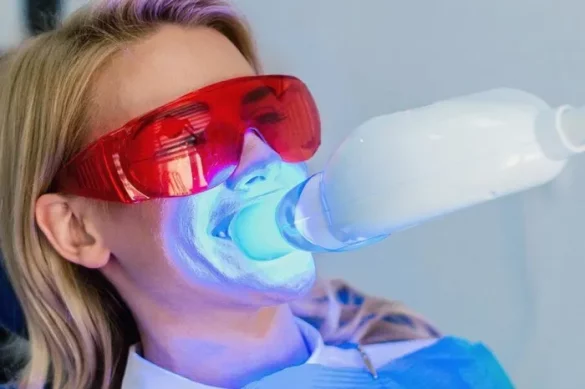
Zoom teeth whitening is a popular and well-known cosmetic dental treatment designed to dramatically brighten your smile. People who struggle with stained or discolored teeth often seek out Zoom because it delivers results in a relatively short time. The treatment combines a professional-grade whitening gel with a special light to enhance the whitening process. Unlike over-the-counter products, Zoom teeth whitening is completed under the supervision of a dental professional, making it both effective and safe for suitable candidates.
What Is Zoom Teeth Whitening?
Zoom teeth whitening is an in-office dental procedure that uses a high-concentration hydrogen peroxide gel alongside a specially designed blue LED lamp, known as the Zoom Advanced Power Chairside Lamp. The purpose is to break down stains and discoloration on the tooth enamel and dentin, helping to achieve a noticeably whiter and brighter smile. Discoloration can be caused by factors like coffee, tea, red wine, cola, tobacco, and even the natural aging process. The Zoom system is widely recognized and used around the world for professional teeth whitening.
How Does Zoom Teeth Whitening Work?
The Zoom procedure starts with a thorough examination and consultation by your dentist. The dentist will assess your teeth and gums to ensure you are a candidate for the treatment. This step is important because not everyone will benefit from whitening, especially if you have dental crowns, veneers, or sensitive teeth that may not respond well to the procedure.
Once your suitability is confirmed, the dentist begins with a standard teeth cleaning to remove any debris or tartar. During the Zoom session, your lips and gums are covered to protect them, and only the teeth are left exposed. The dentist then applies the Zoom hydrogen peroxide gel to your teeth. The blue LED light is activated and directed at the teeth, which helps accelerate the whitening action of the gel. The whole process is broken down into three sessions, each lasting about 15 minutes, totaling 45 minutes in the dental chair.
After the final session, the dentist applies a fluoride gel or paste to minimize tooth sensitivity. The immediate effect is whiter teeth—often several shades lighter.
Who Is a Good Candidate for Zoom Whitening?
Zoom teeth whitening is best for adults whose teeth have surface stains caused by foods, drinks, or tobacco. It is especially recommended for those whose teeth have yellow or brown stains. However, the procedure may not be suitable for everyone. Individuals with significant dental work, such as crowns or veneers on their front teeth, may not achieve uniform results since dental restorations cannot be whitened. People with gum disease, open cavities, or very sensitive teeth might not be suitable candidates either. Zoom is not recommended for children under 13 or for pregnant or breastfeeding women.
Benefits of Zoom Teeth Whitening
One major benefit of Zoom teeth whitening is how quickly it works. Most patients see visible improvements in just one appointment, with teeth whitening up to eight shades lighter. The procedure is supervised by a dental professional, which gives patients peace of mind regarding safety and optimal results. The use of professional-grade products typically means longer-lasting results compared to home whitening options. Zoom also includes aftercare advice and custom-fitted trays for at-home touch-ups, allowing patients to maintain their results for a longer period.
What to Expect During and After Treatment
The Zoom procedure usually takes less than one hour. Some preparation is required to cover and protect the lips and gums. The hydrogen peroxide gel and activating light are applied in three cycles of 15 minutes each. Patients can relax, watch TV, or listen to music during the session.
Some people experience mild to moderate tooth sensitivity either during or after treatment. This is usually temporary and can be managed with sensitive toothpaste or fluoride treatments provided by the dentist.
After the in-office session, patients receive a take-home whitening kit with custom trays. Dentists provide specific instructions on when and how to use the kit to maintain brightness. It is also recommended to avoid dark-colored foods and drinks, such as coffee and red wine, for the first 48 hours after treatment to prevent new stains while the enamel is still susceptible.
How Long Do Results Last?
The longevity of Zoom teeth whitening depends on lifestyle and oral hygiene habits. Results can last from several months up to a year or longer, especially if patients avoid snacks or beverages that stain and maintain regular brushing, flossing, and dental cleanings. Using whitening toothpaste and the touch-up kit as directed can also help prolong the whitening effect. Developments in the formulation, including ingredients like amorphous calcium phosphate, fluoride, and potassium nitrate, aim to protect enamel and reduce sensitivity, contributing to healthier whitening results.
Safety and Side Effects
Zoom teeth whitening is generally safe when carried out by a dental professional. The main side effect reported is temporary tooth sensitivity. This can occur during or after treatment, but discomfort typically dissipates within a few days. Dentists may suggest using an anti-sensitivity toothpaste or providing fluoride treatments before or after the procedure. Minor gum irritation may also happen if the whitening gel comes into contact with soft tissues, but protective barriers used during treatment minimize this risk.
Zoom is not advised for people under 13 or pregnant and lactating women due to the lack of safety data in these groups. Professional consultation will determine if the procedure is appropriate.
Cost of Zoom Teeth Whitening
The cost of Zoom teeth whitening can vary, but the average price in dental offices across the country is about $500. This fee usually includes the in-office treatment and a supplemental take-home kit with custom trays for touch-ups. Since Zoom is considered a cosmetic procedure, dental insurance generally does not cover the cost. Patients should consult with their dentist to understand the complete pricing and discuss any available payment plans or discounts.
Comparison With Other Whitening Methods
Zoom teeth whitening is faster and often more effective than most over-the-counter whitening products. While at-home options like whitening strips and toothpaste may take weeks or months for noticeable changes, Zoom can provide instant results in a single visit. At-home custom tray kits are also available from dental offices and can be used as a standalone treatment or as maintenance after in-office whitening. These kits use either hydrogen peroxide or carbamide peroxide. Carbamide peroxide is slower-acting, breaking down into hydrogen peroxide and urea, which is ideal for patients preferring longer wear times or with darker stains.
Conclusion
Zoom teeth whitening is a professional-grade, efficient, and safe method for brightening your smile under the supervision of a dentist. It works well for most adults—even those with tough stains—and delivers dramatic improvements in under an hour. Proper assessment by a dental professional and good oral care habits are important to maximize and maintain your results. If you are interested in a quick, long-lasting, and reliable whitening solution, Zoom teeth whitening may be an excellent option.
Frequently Asked Questions
How fast are results with Zoom teeth whitening?
Most patients notice their teeth are several shades lighter immediately after a single Zoom session.
Is Zoom teeth whitening safe?
When performed by a dental professional, Zoom teeth whitening is both safe and effective. Temporary sensitivity is the most common side effect.
How long do the results last?
The results can last from several months to a year, depending on your oral hygiene and eating habits. Using the take-home kit and avoiding stain-causing foods helps prolong results.
Will Zoom whiten dental restorations like crowns or veneers?
No, Zoom whitening only works on natural teeth.
Can I use Zoom teeth whitening if I have sensitive teeth?
Discuss your options with your dentist. They may suggest desensitizing toothpaste or other measures to reduce discomfort during treatment.