


If you are considering dental implants in 2026, you may wonder about the costs, what these costs typically include, and how you can make the best decision for your oral health. Dental implants are known for their durability and natural feel, often lasting decades if well cared for. But understanding their true cost is vital before starting treatment. This article will provide a practical and detailed look at dental implant pricing in 2026, factors that influence cost, full-mouth options, insurance considerations, affordability solutions, and the real value of implants for long-term health.
What Is a Dental Implant and What Does the Price Include?
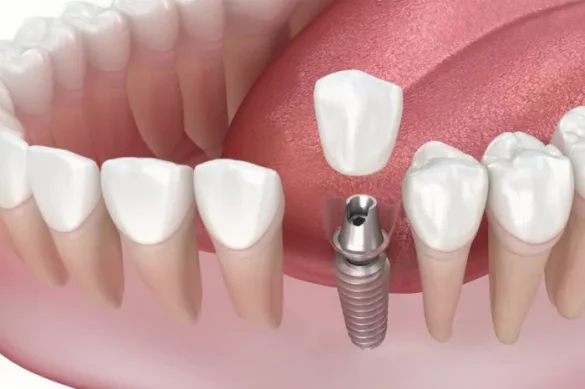
Dental implants are artificial tooth roots—usually made from titanium or ceramic—that fuse with your jawbone. They provide a stable foundation for replacement teeth. Each implant is typically made up of three parts: the implant post (the root), the abutment (a connector), and the dental crown (the visible tooth). It is important to know that when discussing the cost of dental implants, all three components should be included in the price. Some clinics may quote only the cost of the post to appear less expensive, but this does not reflect the true investment.
The full cost generally includes the surgical procedure for implant placement, the abutment, and the crown. Additional services—such as X-rays, 3D imaging, extractions, or bone grafting—may involve separate charges. Make sure to clarify what your quote covers before making any commitments.
Average Dental Implant Costs in 2026
In the United States, the cost for a single dental implant, including the implant, abutment, and custom crown, usually ranges between $3,000 and $6,000 per tooth in 2026. This range reflects complete tooth replacement by a professional dental team. If you are offered a much lower figure, check what is included, as you may be missing key parts like necessary lab work, scans, or the actual restoration. Understanding what is in your quote helps avoid surprise fees later in the treatment.
Additional Costs You Might Not Expect
Besides the main parts, there are additional costs that may be part of the implant process:
- Consultation and Exam
- 3D Imaging (such as a CBCT scan)
- Tooth Extraction (if a damaged or decayed tooth needs removal)
- Sedation (if required for the procedure)
- Bone Grafting or Sinus Lifts (for patients with jawbone loss)
These services can add hundreds or even thousands of dollars depending on your dental health and specific needs. For example, bone grafting might range from $800 to $3,500 or more, while sedation could add another $500 to $1,500. Always ask your dental provider for a full breakdown when discussing costs.
Factors Influencing Dental Implant Prices
Several key factors influence how much dental implants will cost you in 2026:
1. Location of the Clinic
The region and city where you seek treatment makes a big difference. Major metropolitan areas with higher operating costs tend to charge more for dental implants than smaller towns or suburban clinics. Sometimes, traveling a short distance can save you a significant amount of money while still ensuring top-quality care.
2. Provider Experience and Specialty
General dentists may charge less, but complex cases often require oral surgeons or periodontists who generally charge higher fees. Their specialized skills are worth the investment to reduce the risk of implant failure or future corrective procedures.
3. Implant Brand and Material
Top brands like Straumann, Nobel Biocare, and Dentsply Sirona offer well-tested, research-backed implants that provide excellent long-term results but may cost more than generic or less established brands. Choosing higher-quality materials, such as full-zirconia crowns, can also increase the price but provides better durability and appearance.
4. Bone Condition and Preparatory Procedures
If you have experienced bone loss, you may need additional procedures such as bone grafts or sinus lifts, which add to both the complexity and cost. Patients who have been missing teeth for several years are more likely to require these supporting treatments before implants can be safely placed.
5. Number of Implants Needed
A single-tooth implant typically has the highest cost per tooth. If you need multiple implants or a full-arch solution, the cost per tooth can come down since some components are shared across several replacements. However, full-mouth restoration is still a significant investment.
Full Mouth Dental Implant Options and Pricing for 2026
When replacing all or most teeth, costs increase substantially, but so does the range of choices:
All-on-4 and All-on-6 Implants
These systems place 4 to 6 implants in the jaw to support a full arch of new teeth. In 2026, All-on-4 or All-on-6 treatments typically cost from $18,000 to $35,000 per arch. A full mouth (upper and lower) can run between $36,000 and $70,000 or more. This option often includes surgery, the implants, abutments, and the prosthetic bridge. It is a popular choice due to its efficiency, durability, and decreased need for bone grafting in many cases.
Traditional Full-Arch Implant Bridges
A more traditional full-mouth restoration, using 6 to 8 implants per arch with premium zirconia bridges, can range from $30,000 to $60,000 per arch. A double-arch restoration could exceed $100,000, depending on materials and preparatory procedures. This approach is more costly but can provide superior durability, functionality, and esthetics for patients with high demands.
Making Dental Implants Affordable in 2026
It is understandable to be concerned about cost, but there are several strategies to make implants more accessible:
Financing Options
Many dental practices in 2026 offer medical credit cards, personalized dental loans, and in-house payment plans. Medical credit cards may feature promotional periods with little or no interest, but these are best for paying off balances quickly. Dental loans offer predictable monthly payments over several years. In-house plans provide flexibility and are an excellent solution for patients needing payment spread over time.
Insurance and Health Accounts
Traditional dental insurance often does not pay for the implant post itself, though it may cover services like tooth extraction or the implant crown. Some major medical insurance plans might help if implants are medically necessary, such as after trauma. Health Savings Accounts (HSA) and Flexible Spending Accounts (FSA) allow you to use pre-tax money for dental implants, effectively cutting your cost depending on your individual tax bracket. These are among the best cost-saving tools for patients.
Are Dental Implants Worth the Cost?
Over their lifetime, dental implants are often more cost-efficient than bridges or dentures. Implants last 20–30 years or longer with proper care, while dentures or bridges need to be replaced more often. Implants also preserve your jawbone and appearance, which can save you from more expensive procedures in the future. They are the only option that actively maintains jaw health by acting like a natural tooth root. That means better chewing ability, stability, and long-term oral health.
Conclusion
In 2026, the cost of dental implants in the USA will generally range from $3,000 to $6,000 for a single tooth and $18,000 to $60,000 (or more) for full-mouth solutions, depending on the method and materials. The true price depends on the complexity of your case, the experience of your surgeon, the materials chosen, and whether extra procedures like bone grafts are needed. While dental implants are a significant investment upfront, they often provide the best value for long-term appearance, function, and oral health. Patients should always seek a full breakdown from their provider, explore financing and insurance options, and consider the life-long benefits of choosing dental implants.
Frequently Asked Questions (FAQs)
How much does a single dental implant cost in 2026?
The cost typically ranges from $3,000 to $6,000 per tooth in the USA, including all parts and standard procedures.
Why are dental implants more expensive than other tooth replacements?
Dental implants require advanced materials, surgical expertise, and more complex planning, offering superior durability compared to bridges and dentures.
What factors affect the price of dental implants most?
Main factors include your location, the specialist’s experience, quality of materials, need for extra procedures, and the number of implants required.
Is there a way to lower the cost of dental implants?
Yes. Explore payment plans, use HSA or FSA accounts, check if your insurance covers any part, and consider treatment in less expensive regions.
Are dental implants worth the investment?
For most patients, yes. Their long life, health benefits, and natural feel make them cost-effective over time compared to other replacement options.