


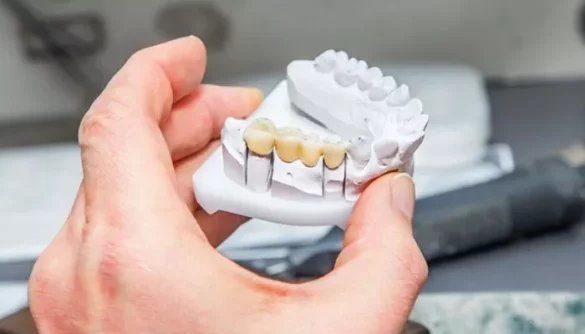
Dental crowns and bridges are widely used restorative treatments. They protect damaged teeth. They replace missing teeth. They also restore chewing efficiency and appearance. However, these treatments are not risk free. Poor planning or improper care can lead to complications. Common problems include Sensitive Teeth, restoration failure, and gum disease.
Many patients focus only on cost or appearance. This approach can be misleading. Long-term success depends on oral health status, material choice, and daily care habits. Patients must understand what to look out for before, during, and after treatment. Awareness reduces avoidable failures.
This article provides a detailed and objective guide for patients considering a crown or bridge. It explains clinical considerations, risks, and maintenance requirements. It also highlights warning signs that should not be ignored. The goal is to support informed decision-making and promote long-term oral health stability.
Why Dental Restorations Are Needed
Dental crowns and bridges are fixed restorations. They repair or replace damaged or missing teeth. A crown covers a single tooth. A bridge replaces one or more missing teeth. Both aim to restore function, appearance, and oral health. They are common treatments in modern dentistry. Yet, success depends on careful planning and proper execution.
How crowns differ from bridges
A crown sits on one prepared tooth. It acts like a protective cap. A bridge spans a gap. It relies on neighboring teeth or implants for support. These supporting teeth are called abutments. Knowing the difference helps patients understand risks and responsibilities.
Initial Oral Health Assessment
Evaluating tooth structure
Dentists must assess how much healthy tooth remains. Crowns require sufficient structure. Bridges need strong abutment teeth. Weak teeth increase failure risk. Cracks, decay, or old fillings matter. X-rays often reveal hidden problems.
Checking for gum disease
Gum disease is a major concern. Inflamed or bleeding gums compromise outcomes. Periodontal disease causes bone loss. This weakens support for crowns and bridges. Treatment of gum disease must come first. Ignoring it shortens restoration lifespan.
Assessing bite and alignment
Bite forces affect restorations. Uneven pressure leads to fractures. Teeth grinding worsens stress. Malocclusion should be addressed early. Sometimes adjustments or splints are needed.
Material Selection Considerations
Common crown and bridge materials
Materials include porcelain, ceramic, metal, and zirconia. Each has strengths and limits. Porcelain looks natural. Metal is durable. Zirconia balances strength and esthetics. Choice depends on location and function.
Esthetics versus durability
Front teeth demand beauty. Back teeth need strength. Dentists weigh these needs carefully. Poor material choice leads to chipping or wear. Patients should discuss expectations openly.
Allergies and sensitivities
Some patients react to metals. Nickel sensitivity is common. Informing the dentist is critical. Alternative materials can be used safely.
Tooth Preparation Risks
Removal of healthy enamel
Crown preparation removes enamel. This is irreversible. Excessive reduction weakens teeth. Conservative preparation is best. Skilled technique reduces risk.
Risk of sensitive teeth
Sensitive Teeth often occur after preparation. Exposed dentin reacts to heat and cold. Temporary sensitivity is common. Persistent pain needs evaluation. Proper bonding and fit reduce this issue.
Pulp and nerve complications
Deep preparation may irritate the pulp. In some cases, root canal treatment becomes necessary. This risk increases with large fillings or trauma history.
Importance of Accurate Fit
Marginal integrity
Margins are where crown meets tooth. Poor margins trap bacteria. This leads to decay and gum disease. Precision is essential. Modern digital scans help accuracy.
Contact points and spacing
Proper contacts prevent food impaction. Loose contacts cause discomfort. Tight contacts affect flossing. Balanced spacing supports oral hygiene.
Occlusion and bite harmony
High spots cause pain and fracture. Dentists adjust bite carefully. Patients should report discomfort early.
Temporary Crowns and Bridges
Role of temporary restorations
Temporary crowns protect prepared teeth. They maintain position and comfort. They are not as strong as final restorations.
Care instructions during the temporary phase
Avoid sticky foods. Chew gently. Maintain hygiene. If a temporary crown falls off, see a dentist promptly. Delays cause sensitivity and shifting.
Long-Term Oral Hygiene Requirements
Daily cleaning routines
Crowns and bridges need diligent care. Brushing twice daily is essential. Flossing around margins prevents plaque buildup. Special floss aids help under bridges.
Managing gum disease risk
Restorations do not prevent gum disease. In fact, poor hygiene increases risk. Regular cleanings are critical. Healthy gums support longevity.
Use of adjunctive tools
Interdental brushes help clean bridge areas. Water flossers assist plaque removal. Dentists recommend tools based on individual needs.
Longevity and Maintenance
Expected lifespan of crowns and bridges
Well-made restorations last 10 to 15 years or more. Lifespan depends on care, material, and bite forces. Neglect shortens durability.
Signs of failure to watch for
Pain, looseness, or swelling are warning signs. Chipping or discoloration matters. Early intervention saves teeth.
Regular dental checkups
Routine exams detect issues early. X-rays monitor hidden decay. Professional oversight ensures long-term success.
Special Considerations for Bridges
Impact on supporting teeth
Bridges rely on abutment teeth. These teeth bear extra load. Over time, they may weaken. Proper design reduces strain.
Bone loss under missing teeth
Bridges do not prevent bone loss in gaps. Implants may be considered. Bone loss affects facial structure and fit.
Alternatives to traditional bridges
Dental implants offer independent support. They preserve bone. Dentists discuss options based on health and budget.
Patient-Specific Risk Factors
Age and medical conditions
Older patients may have reduced healing capacity. Conditions like diabetes affect gum health. Medical history guides planning.
Bruxism and clenching habits
Teeth grinding damages restorations. Night guards protect crowns and bridges. Addressing habits improves outcomes.
Smoking and oral health
Smoking impairs healing. It increases gum disease risk. Smokers face higher failure rates. Quitting benefits dental success.
Cost and Value Considerations
Understanding treatment costs
Crowns and bridges vary in price. Materials and complexity affect cost. Insurance coverage differs. Transparency helps decision-making.
Balancing cost with quality
Cheaper options may compromise longevity. Quality dentistry saves money long-term. Patients should avoid shortcuts.
Informed consent and communication
Clear discussion builds trust. Patients should ask questions. Understanding risks ensures realistic expectations.
Managing Post-Treatment Sensations
Normal adaptation period
Mild discomfort is normal. Teeth adapt over days. Sensitivity usually fades. Persistent pain needs review.
When to seek professional help
Sharp pain, swelling, or fever require attention. Early care prevents complications. Do not ignore symptoms.
Preventive Strategies for Long-Term Success
Dietary considerations
Limit sugary foods. Avoid hard objects. Balanced diet supports oral health. Nutrition affects gum strength.
Protective appliances
Mouthguards protect restorations during sports. Night guards prevent grinding damage. Prevention reduces repairs.
Patient education and awareness
Knowledge empowers patients. Understanding care requirements improves compliance. Educated patients achieve better outcomes.
Ethical and Professional Standards in Dental Care
Importance of skilled providers
Experience matters. Proper training ensures precision. Patients should seek licensed professionals. Quality care reduces risks.
Use of evidence-based practices
Modern dentistry relies on research. Proven techniques improve success rates. Patients benefit from updated methods.
Conclusion
Crowns and bridges restore smiles and function. They require planning and care. Understanding risks helps success.Long-term results depend on patients and providers. Good hygiene, regular visits, and awareness matter. With proper care, crowns and bridges are reliable solutions.