


Losing a tooth filling can be a distressing experience, often accompanied by discomfort and concerns about dental health. Whether it’s due to wear and tear, decay, or an accidental dislodgment, knowing how to respond promptly and effectively can make all the difference in maintaining your oral health. This article provides an in-depth guide on what to do when you lose a tooth filling, covering everything from immediate actions to long-term care and prevention strategies.
Understanding Tooth Fillings
What Are Tooth Fillings?
Tooth fillings are materials used by dentists to restore the function and integrity of a tooth that has been damaged by decay or trauma. Common materials for fillings include:
Amalgam: A durable metal alloy often used for back teeth.
Composite Resin: A tooth-colored material that blends with the natural tooth.
Ceramic: A durable, aesthetic option, often used for front teeth.
Gold: A long-lasting material that is highly durable but can be more expensive.
Why Fillings Fail
Fillings can fail for several reasons:
Wear and Tear: Over time, fillings can wear down due to chewing and grinding.
Decay: New cavities can form around the filling, leading to its dislodgment.
Improper Bonding: If the filling was not properly placed, it may come loose.
Accidental Trauma: A hard bite on something tough can dislodge a filling.
Immediate Steps to Take After Losing a Filling
Losing a filling can be alarming, but there are immediate steps you can take to manage the situation effectively.
Stay Calm
The first step is to remain calm. Losing a filling is common, and while it may be uncomfortable, it is usually not an emergency.
Assess the Situation
Check the affected tooth. If the filling has completely fallen out, you may notice a hole or sensitivity in the tooth. If the filling is still partially attached, avoid chewing on that side.
Clean the Area
Gently rinse your mouth with warm water to clean the area around the lost filling. Avoid using alcohol-based mouthwash, as it can irritate the exposed tooth.
Manage Discomfort
If you experience pain or sensitivity, consider taking over-the-counter pain relief such as ibuprofen or acetaminophen. Avoid hot, cold, or sweet foods and drinks that may aggravate the sensitivity.
Use Temporary Solutions
If you cannot visit a dentist immediately, consider using a temporary dental cement, available at pharmacies, to cover the exposed area. This can help protect the tooth until you can see a dentist.
When to See a Dentist
Schedule an Appointment
It’s essential to see a dentist as soon as possible after losing a filling. Delaying treatment can lead to further decay, infection, or more extensive damage to the tooth.
Recognize Emergency Situations
In some cases, losing a filling may be accompanied by other symptoms that require immediate attention, such as:
Severe pain or swelling
Bleeding from the gums
A noticeable abscess or pus near the tooth
Difficulty swallowing or breathing
If you experience any of these symptoms, seek emergency dental care.
Treatment Options for Lost Fillings
Once you see a dentist, they will assess the situation and recommend appropriate treatment options.
Replacing the Filling
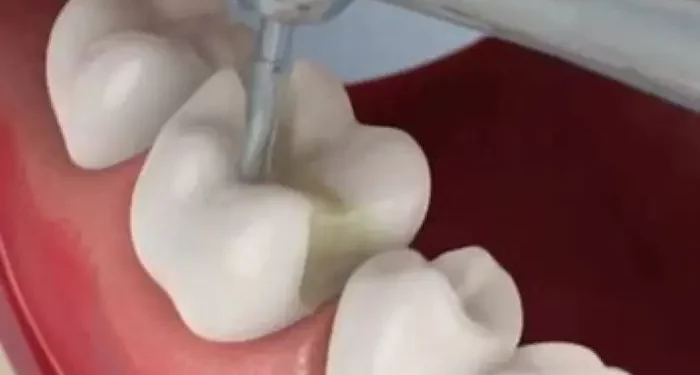
The most common treatment for a lost filling is to replace it. The dentist will:
Remove any decay or debris from the tooth.
Clean the area thoroughly.
Apply a new filling material to restore the tooth.
Alternative Restorations
If the tooth has sustained significant damage or decay, the dentist may recommend alternative restorations, such as:
Crowns: A crown may be placed over the tooth for added protection and strength.
Inlays or Onlays: These are custom-made restorations that fit into or over the tooth, providing a more durable solution.
Root Canal Treatment: If decay has reached the pulp of the tooth, a root canal may be necessary before placing a new filling or crown.
Long-Term Care and Prevention
After addressing the immediate issue, it’s essential to focus on long-term care and prevention strategies to reduce the likelihood of losing fillings in the future.
Maintain Good Oral Hygiene
Practicing good oral hygiene is crucial in preventing decay and prolonging the life of fillings. This includes:
Brushing twice a day with fluoride toothpaste.
Flossing daily to remove plaque and food particles.
Using an antibacterial mouthwash to reduce bacteria.
Regular Dental Check-ups
Schedule regular dental check-ups every six months. During these visits, your dentist can monitor your fillings and overall oral health, addressing any issues before they become significant problems.
Avoid Hard Foods
Be mindful of your diet. Avoid chewing on hard foods, such as ice or hard candies, which can put excessive pressure on fillings and lead to dislodgment.
Address Teeth Grinding
If you grind your teeth (a condition known as bruxism), talk to your dentist about possible solutions, such as a nightguard. This can help protect your teeth and fillings from excessive wear.
Stay Hydrated
Drinking plenty of water helps maintain saliva production, which is essential for neutralizing acids and washing away food particles. This can help prevent decay around fillings.
Conclusion
Losing a tooth filling can be concerning, but understanding the appropriate steps to take can help you manage the situation effectively. By staying calm, seeking prompt dental care, and implementing preventive measures, you can protect your oral health and minimize the risk of future issues. Remember, maintaining good oral hygiene and regular dental visits are key components of long-term dental health. If you ever find yourself in this situation, refer back to this guide to ensure you handle it with confidence and care.
Related topics:
Why Does Dry Mouth Cause Tooth Decay
Why Do I Always Have Cavities
Why Do I Get Cavities When I Brush and Floss
Tags: dental careteethtoothtooth filling