


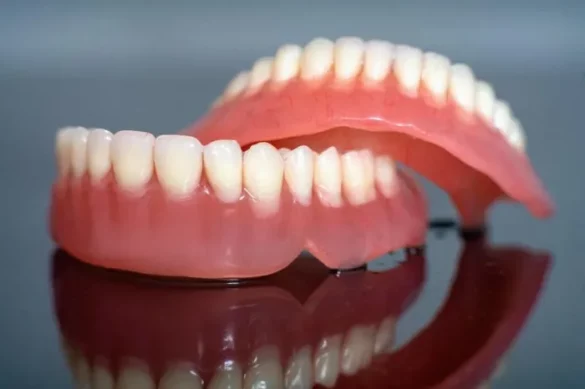
Many people who receive immediate dentures after tooth extraction are unsure when they can safely sleep without them. This is a common concern in prosthodontics, since caring for your mouth after extractions is vital to long-term denture success. Proper timing ensures better healing, less discomfort, and improved oral health outcomes. This article will clearly explain when it is appropriate to sleep without immediate dentures, why this matters, and how to transition safely, using simple terms that anyone can understand.
What Are Immediate Dentures?
Immediate dentures are a type of removable prosthesis provided on the same day as tooth extraction. Their purpose is to restore appearance and function immediately, so you leave the dental office with a full smile. Immediate dentures also act as a protective covering over the extraction sites, helping control bleeding and reduce swelling in the first hours after surgery.
Why Do Immediate Dentures Need to Stay In After Extraction?
When your natural teeth are removed, your gums and jawbone are vulnerable. There is a significant healing process underway, which includes the formation of blood clots and the start of tissue repair.
Dentists generally advise keeping immediate dentures in place for the first 24 hours—sometimes up to 48 hours—after extraction. During this period, the dentures serve as a kind of bandage that:
- Applies gentle pressure to control bleeding
- Protects extraction sites from food, bacteria, and trauma
- Minimizes swelling by holding tissues in place
Removing immediate dentures too early can disturb blood clots, possibly cause bleeding, and slow down healing. For most people, the first night after extractions, you will sleep with your immediate dentures in your mouth as instructed by your dentist.
The First 24–48 Hours: What You Need to Know
Right after your extractions, your mouth is sensitive. The first few days require special care. It is normal to feel soreness, swelling, and some bleeding. During this initial healing phase:
- Keep the immediate dentures in, even when sleeping
- Follow all instructions from your dental team
- Avoid disturbing the denture unless otherwise directed
Your dentist will typically schedule a follow-up appointment after the first 24–48 hours to check healing, make denture adjustments, and give you future care instructions.
When Can You Start Sleeping Without Immediate Dentures?
Most patients can start sleeping without their immediate dentures after the first 24–48 hours. Once your dentist is satisfied with early healing and you’ve had your first check-up, you will be advised to take out the dentures at night.
Why is this important? Removing dentures at night lets your gums rest, decreases the risk of infection, and helps reduce soreness and inflammation. Prolonged continuous wear can actually slow recovery and cause oral health problems like denture stomatitis (a fungus infection under the denture), pressure sores, and jawbone loss.
Typical Timeline for Sleeping Without Immediate Dentures
- Day 1–2: Wear the dentures constantly for 24–48 hours (including while sleeping).
- After first check-up: Remove dentures at night before sleeping, unless your dentist gives other instructions.
Exceptions may exist for patients with complex medical or surgical needs. Always follow your dentist’s recommendations.
Benefits of Removing Dentures at Night
Letting your gums rest overnight has many benefits:
- Promotes faster healing and tissue recovery
- Reduces the risk of infection by exposing healing sites to air
- Prevents chronic soreness and inflammation
- Diminishes the chance of fungal and bacterial growth under the denture
- Helps maintain good bone structure and prolongs denture fit
Older studies also show that people who wear removable dentures 24/7, especially seniors, may face higher risks for serious illnesses such as pneumonia, since bacteria can multiply on uncleaned dentures and be inhaled during sleep.
How to Care for Immediate Dentures Overnight
When you begin sleeping without your immediate dentures, adopt a healthy routine:
- Gently remove dentures before bedtime
- Clean your mouth by brushing gums, tongue, and palate with a soft brush
- Carefully clean dentures using a soft brush and non-abrasive cleaner
- Soak dentures in cool water or a specialized solution overnight to keep them moist and clean
This prevents warping and removes bacteria, plaque, and food debris. A good cleaning routine also lowers infection risks and keeps your dentures fresh.
What About Adhesives and Loose Fitting?
In the first weeks after extractions, gums and bone will shrink and change as they heal. This often makes immediate dentures feel loose or uneven. Avoid using adhesives unless approved by your dentist; improper use can trap bacteria and harm delicate tissues.
If you struggle to keep your denture stable, contact your dental office for advice or adjustments. Relining or adjusting the denture may be necessary as healing progresses.
Special Situations and Exceptions
Some patients may need to wear immediate dentures longer, such as those with slower healing or complex extractions. Your dentist will make this decision based on your unique needs.
Never change your wear schedule without dental guidance. If you develop severe pain, swelling, bleeding, or changes in fit, contact your dentist as soon as possible.
What Happens in the Weeks After Extraction?
Healing after extractions takes time. Typical stages include:
- 1–3 days: Initial soreness, swelling, and healing. Sleeping with dentures may be necessary.
- 3–14 days: Gums recover; you can sleep without dentures unless told otherwise.
- 14–30 days: Full adaptation begins. You may eat more types of food, and discomfort decreases.
- 3–6 months: Final healing. Adjustments, relines, or new dentures may be planned for best fit.
Each stage requires good hygiene and regular check-ups. Full recovery often takes several months, and your dentist will monitor progress at each stage.
Why Professional Guidance Is Vital
Every mouth is different. Some people heal quickly, while others need more time. Always trust your dental professional’s advice over online information, as they understand your health history, extraction details, and specific denture type.
Following professional recommendations gives your dentures the best chance to fit well and your mouth to heal properly, preventing complications and costly repairs later on.
Conclusion
Sleeping without immediate dentures is usually safe after the first 24–48 hours post-extraction, though exact timing depends on your situation. Removing dentures at night improves healing, oral comfort, and long-term denture success. Keep a close relationship with your dental team and practice excellent cleaning routines. If you ever feel uncertain or uncomfortable, your dentist is the best source of guidance. Prioritizing oral health now helps ensure a healthy, comfortable smile for years to come.
Frequently Asked Questions
Can I sleep with my immediate dentures after tooth extraction?
Yes, most dentists recommend wearing immediate dentures for the first 24–48 hours after extraction, including overnight. They aid healing during this time.
When should I start removing my immediate dentures before sleep?
Usually, you can begin removing your dentures at night after the first dental check-up, which is 24–48 hours following extraction. Always follow dentist instructions for your case.
What if my immediate dentures feel very loose or painful?
Some looseness is normal initially, but excessive movement or pain may signal a need for adjustment. Contact your dentist for advice.
Is it dangerous to sleep with dentures after the first few days?
Yes, sleeping with dentures beyond the recommended initial period can increase risks of infection, oral sores, gum inflammation, and even respiratory illnesses in some cases.
How do I care for my dentures overnight?
Clean your dentures with a soft brush and denture cleaner, then soak them in cool water or a special solution. Brush your gums and oral tissues gently each night.