


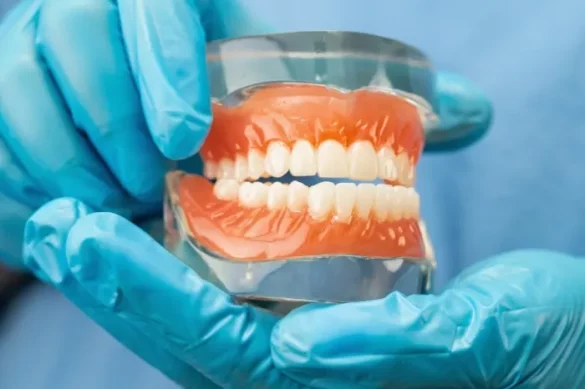
Immediate dentures are an essential step in the journey toward restoring a smile after tooth extractions. Understanding when and how to take out your immediate dentures is crucial for ensuring proper healing and minimizing discomfort. Here’s what you need to know to safely remove your immediate dentures and care for your mouth during this important period.
What Are Immediate Dentures?
Immediate dentures, sometimes called temporary dentures, healing dentures, or same-day dentures, are prosthetic devices provided by your dentist right after teeth extraction. Their main purpose is to protect the extraction sites, support healing, and allow you to maintain your appearance and oral function while your gums recover. Unlike permanent dentures, immediate dentures are not custom-fitted for long-term use but serve as an interim solution.
Why Are Immediate Dentures Important?
After your teeth are removed, your gums and jawbone go through significant changes as they heal. Immediate dentures act as a protective barrier over the surgical areas, help control bleeding, and enable basic eating and speaking functions. They restore your smile quickly, boosting confidence during a sensitive period and reducing the risk of irritation and infection.
The First 48 Hours: Critical Healing Time
One of the most common questions patients ask is, “When can I take out my immediate dentures?” Dental professionals recommend keeping your immediate dentures in place for the first 24 to 48 hours after surgery. Removing them too soon can lead to swelling of the gums, which may make it difficult or even impossible to re-insert the dentures. The denture acts as a bandage, helping protect the surgical area from bacteria and accidental trauma.
During this time, follow your dentist’s instructions carefully. Avoid removing the dentures unless your dentist specifically tells you to do so during a follow-up appointment. Some bleeding is normal and is usually controlled by the gentle pressure the denture applies to the gums. You should also avoid vigorous rinsing or spitting so as not to disrupt the healing process.
Removing Your Immediate Dentures for the First Time
After about 48 hours, or as instructed by your dentist, you can remove your immediate denture for cleaning and inspection. If you attempt to remove your denture before this recommended time, you risk increased swelling and difficulty in reinserting the denture. Here’s a safe approach to removal:
- Rinse Your Mouth: Use warm water to loosen the denture gently. With your lips closed, press water beneath the denture, then let it gently flow out.
- Removal Technique: For lower dentures, lift straight up. For upper dentures, the removal may be more difficult. Place your index finger between your denture and cheek, move upward and backward, then gently pull down and forward until the denture comes out.
- Expect Minor Bleeding or Discoloration: This is normal; simply clean your denture and your gums gently. If excessive bleeding occurs, contact your dentist immediately.
- Clean Your Denture: Brush inside and outside with dishwashing liquid or a mild detergent. Rinse thoroughly. Avoid using abrasive toothpaste, which can wear down the denture material.
- Clean Your Mouth: Rinse gently with warm water and use your tongue to lightly clean the surgical gum areas. Avoid aggressive scrubbing or mouthwashes unless prescribed.
- Reinsert Denture Carefully: After cleaning, press the denture onto your gums and hold it in place, closing your mouth gently. Take care not to force it if you feel resistance due to swelling.
Care Protocols After Initial Removal
After the first 48 hours, it is important to maintain regular hygiene and care for both your dentures and your mouth:
- Remove and rinse your denture after every meal or snack.
- For the next five days, keep your denture in at all times except for cleaning. This stabilizes the gums as they heal and minimizes swelling.
- After five days, it is often recommended to leave your denture out at night to allow the gum tissue to rest, unless your dentist advises otherwise.
- Soak your denture in a suitable cleanser overnight to maintain hygiene and prevent infection.
Diet and Nutrition During Healing
In the first 24-36 hours, eat only foods that do not require chewing—soft cereals, soups, shakes, yogurt, and blended foods are ideal. Gradually increase the consistency of your diet as you feel able. Avoid biting into hard foods and stick to small pieces to reduce strain.
Adapting to Immediate Dentures
Wearing immediate dentures requires an adjustment. At first, they may feel bulky or foreign in the mouth, and you may notice increased saliva production. Your speech may be affected; reading aloud can help you regain clarity. It is common to experience some sore spots—these should be addressed by your dentist through regular adjustments.
Common Challenges and Solutions
- Swelling: Removing dentures too soon may lead to swelling, making reinsertion difficult. Contact your dentist if you cannot put your denture back in.
- Sore Spots: Never try to adjust your denture yourself. Visit your dentist for professional adjustments to avoid worsening sores.
- Dry Mouth: Saliva helps keep dentures comfortable. If you experience dryness, ask your dentist about appropriate products.
- Loose Fit: As your gum tissue heals and changes shape, your dentures may feel loose. Your dentist may use soft liners or recommend relining the denture for a better fit.
Transition to Permanent Dentures
Immediate dentures are temporary and require regular visits to your dentist for monitoring and adjustments. Gums and jawbone typically shrink and change shape within the first 6 to 12 months after extractions. After the healing period, your dentist will either reline your dentures or provide a new, well-fitting permanent set.
Importance of Professional Follow-up
Routine follow-ups are essential. Your dental team will check healing progress, fit, and comfort. They will also monitor for signs of oral infection or other complications. Never rely on advice from non-professionals; each case is unique, and only your dentist can provide tailored recommendations.
Conclusion
Knowing when and how to take out your immediate dentures is vital to achieving optimal healing and oral health after extractions. Always follow your dentist’s instructions, keep your denture in place for the critical first 48 hours, and practice good hygiene as advised. With patience and regular check-ups, you will transition smoothly to your permanent dentures and enjoy a healthy, confident smile.
Frequently Asked Questions
How soon after tooth extractions can I take out my immediate dentures?
You should keep your immediate dentures in place for the first 24 to 48 hours post-extraction, unless your dentist gives specific instructions to remove them sooner.
What happens if I remove my immediate dentures too soon?
Removing dentures too early can cause gum swelling, making reinsertion difficult and increasing risk of complications.
How often should I clean my immediate dentures?
Clean your dentures after every meal or snack, and follow a thorough cleaning routine daily.
When can I leave my immediate dentures out overnight?
After the first 5 days of continuous wear, it is usually safe to leave dentures out overnight unless your dentist advises otherwise.
What should I do if my denture feels loose or causes sore spots?
Contact your dentist to schedule an adjustment. Never modify your dentures yourself.