


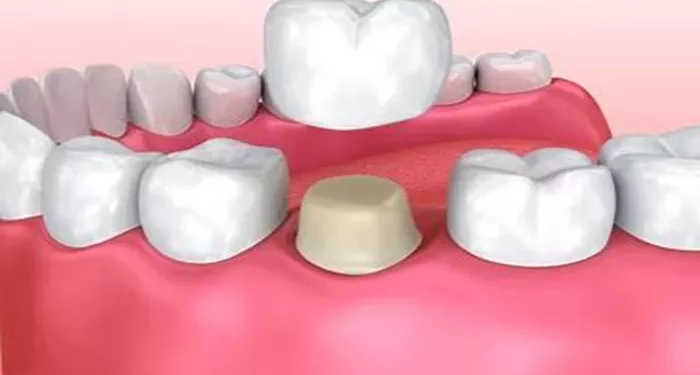
When facing tooth decay or damage, patients often wonder why dentists sometimes recommend crowns instead of fillings. This common dilemma requires understanding the fundamental differences between these restorative options. As a dental professional, I’ll explain the specific situations where crowns provide superior protection compared to fillings, helping you make informed decisions about your dental treatment.
Fundamental Differences Between Fillings and Crowns
What Fillings Do
Basic characteristics:
- Replace small to medium missing tooth structure
- Bond directly to remaining tooth
- Typically completed in one visit
- Preserve most natural tooth
- Less expensive initially
What Crowns Provide
Key features:
- Cover entire visible tooth surface
- Custom-made in dental lab (usually)
- Require more tooth preparation
- Protect and strengthen compromised teeth
- Longer-lasting for major damage
When Crowns Are the Better Choice
Extensive Tooth Structure Loss
Situations requiring crowns:
- More than 50% tooth structure gone
- Multiple surfaces involved
- Deep cracks extending through tooth
- After root canal treatment
- Large existing failing fillings
Functional Stress Considerations
High-risk scenarios:
- Molars bearing heavy chewing forces
- Patients with bruxism (teeth grinding)
- Existing cracked tooth syndrome
- Malocclusion creating excessive pressure
- Long-span bridges needing abutments
Aesthetic Demands
Cases needing crowns:
- Front teeth with significant damage
- Severe discoloration not helped by whitening
- Shape abnormalities
- Gaps between teeth needing closure
- Smile makeovers
Limitations of Large Fillings
Structural Weaknesses
Problems with extensive fillings:
- Higher risk of fracture
- Poor stress distribution
- Recurrent decay at edges
- Material wear over time
- Tooth flexure causing pain
Long-Term Survival Rates
Comparison studies show:
- Crowns last 10-15 years on average
- Large fillings often fail in 5-7 years
- Crowns have lower need for replacement
- Fillings more likely to develop secondary decay
The Crown Placement Process
Tooth Preparation Steps
Clinical procedure:
- Removal of decay/damaged structure
- Reshaping tooth for optimal fit
- Impressions or digital scans
- Temporary crown placement
- Final cementation at second visit
Material Options
Common crown types:
- Porcelain-fused-to-metal (strong, natural)
- All-ceramic (most aesthetic)
- Gold alloy (durable but visible)
- Zirconia (strong and tooth-colored)
- Composite resin (temporary or interim)
Benefits of Choosing a Crown
Superior Protection
Crown advantages:
- Surrounds and supports remaining tooth
- Distributes chewing forces evenly
- Seals out bacteria completely
- Prevents crack propagation
- Shields weakened tooth structure
Long-Term Value
Economic considerations:
- Less frequent replacements needed
- Lower risk of catastrophic failure
- Prevents more expensive treatments
- Maintains proper tooth spacing
- Preserves jawbone structure
Cases Where Fillings Suffice
Appropriate Filling Situations
When fillings work well:
- Small to moderate cavities
- Minimal existing restorations
- Good remaining tooth structure
- Low-risk locations (some front teeth)
- Cooperative patients with good hygiene
Filling Material Advances
Modern options:
- Composite resins (tooth-colored)
- Glass ionomers (fluoride-releasing)
- Ceramic inlays/onlays (lab-made)
- Smart materials with remineralization
Potential Crown Complications
Common Issues
Possible problems:
- Temporary crown discomfort
- Sensitivity to temperature
- Gum irritation
- Occlusal adjustment needs
- Rare allergic reactions
Prevention and Management
Solutions include:
- Proper bite adjustment
- Excellent oral hygiene
- Night guards for grinders
- Regular professional cleanings
- Immediate attention to problems
Cost Comparison Analysis
Initial Investment
Price ranges:
- Fillings: 100?100?400 per tooth
- Crowns: 800?800?1500 per tooth
- Insurance coverage differences
- Long-term cost-effectiveness
Value Over Time
Economic considerations:
- Crowns often last twice as long
- Fillings may require more repairs
- Crowns prevent more extensive treatment
- Lost work time for repeated procedures
- Aesthetic maintenance factors
Special Patient Considerations
Children and Teens
Pediatric factors:
- Primary vs permanent teeth
- Growth and development
- Behavior management
- Parental preferences
- Long-term planning
Older Adults
Geriatric considerations:
- Existing dental work status
- Manual dexterity challenges
- Financial constraints
- Medical comorbidities
- Life expectancy factors
Technological Advances
Digital Dentistry
Modern innovations:
- CAD/CAM same-day crowns
- 3D printing applications
- Digital impression systems
- AI-assisted design software
- Guided preparation techniques
Material Science
New developments:
- Stronger ceramic formulations
- Improved bonding protocols
- Bioactive crown materials
- Nanotechnology enhancements
- Wear-resistant composites
Conclusion
While fillings serve well for small to moderate tooth repairs, crowns provide superior protection and longevity for extensively damaged or weakened teeth. The decision between crown and filling depends on multiple factors including remaining tooth structure, functional demands, aesthetic concerns, and long-term oral health goals.
Crowns represent an investment in preserving your natural teeth and preventing more complex dental problems. Their higher initial cost is often offset by greater durability and reduced need for future treatment. Trust your dentist’s recommendation when they suggest a crown – this advice comes from years of clinical experience seeing what works best for patients with similar dental conditions.
Remember that maintaining your crowned tooth with proper oral hygiene and regular dental visits is essential for maximizing its lifespan. With today’s advanced materials and techniques, modern crowns can provide both exceptional function and natural beauty for many years.
Related topic:
- Why Does Tooth Decay Happen??
- How Much Is a Temporary Filling?
- When Should You Not Extract a Tooth
Tags: permanent teethteethtoothtooth decaywhitening