


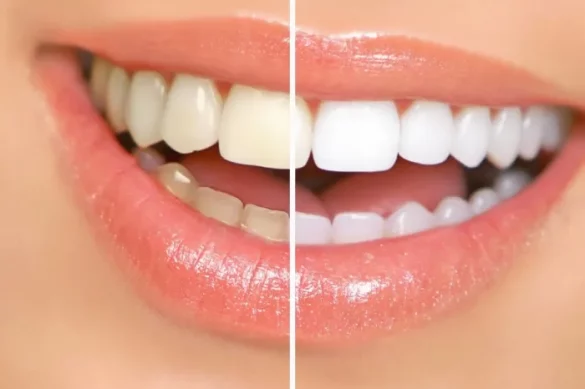
Many people notice that their teeth become sensitive after using whitening strips, which can make the experience uncomfortable despite the desire for a brighter smile. Tooth sensitivity following whitening is a common occurrence, and understanding the reasons behind it is essential for individuals seeking safe and effective teeth whitening.
What Is Teeth Whitening Sensitivity?
Teeth whitening sensitivity refers to pain or discomfort experienced during or after the use of products such as whitening strips. This sensitivity typically involves brief pain or aching in response to temperature changes, such as drinking hot or cold beverages, or even spontaneous discomfort. While this can be worrying, the sensitivity is usually temporary and does not cause permanent injury to your teeth or gums.
Why Do Whitening Strips Cause Tooth Sensitivity?
Whitening strips commonly use hydrogen peroxide or carbamide peroxide as their primary ingredients. These chemicals work by breaking down stains on the enamel and brightening the overall appearance of teeth. During the whitening process, peroxide can penetrate the enamel and reach the inner layer called dentin. Dentin contains tiny tubules that connect to nerve endings in the tooth. When peroxide enters these tubules, it can cause irritation or increases the nerve’s response to temperature and touch. As a result, you may feel a tingling sensation or discomfort. This is especially true for people who already have thinner enamel or exposed dentin because their teeth’s protective layer is already compromised.
The Role of Hydrogen Peroxide in Sensitivity
Most whitening strips rely on hydrogen peroxide, which is effective in removing stains but may make teeth more sensitive. The higher the concentration of peroxide and the longer the strips are left on the teeth, the greater the likelihood of experiencing sensitivity. For example, whitening strips intended for fast results often use higher levels of peroxide and suggest longer application times. This increases the risk that the peroxide will reach the nerves inside the tooth.
Individual Factors That Affect Sensitivity
Not everyone experiences sensitivity after whitening. The likelihood and intensity of discomfort depend on several personal factors.
Pre-existing Dental Sensitivity
If you have naturally sensitive teeth or a history of gum recession, you may be more susceptible to discomfort after using whitening products. Thin or damaged enamel, two common issues in sensitive teeth, means less protection for the tooth’s nerve endings.
Gum Health and Application Technique
If whitening strips are applied incorrectly, they may come into contact with the gums, leading to irritation or burning. Healthy gums form a protective seal around the teeth, and damaged or receded gums can expose dentin, making sensitivity more likely.
Frequency and Duration of Use
Repeated use or longer periods of whitening treatment can increase exposure to peroxide, amplifying sensitivity. It is important to follow the recommended application times and allow breaks between treatments.
How Long Does Whitening Sensitivity Last?
The sensitivity caused by whitening strips is typically short-lived. Many people notice discomfort immediately after treatment or within the first few hours. The symptoms often resolve within a few days once the effect of peroxide dissipates. Persistent or severe sensitivity should always be discussed with a dentist, as it may indicate an underlying dental issue unrelated to whitening.
Preventing and Managing Sensitivity
The discomfort of tooth sensitivity from whitening strips can be minimized. Here are practical tips to help you prevent and manage sensitivity:
Use Milder Formulations
Look for whitening strips with lower concentrations of hydrogen peroxide, typically between five and six percent. These mild formulas are less likely to cause irritation and often require only a few minutes of application per day. Many manufacturers offer products specifically designed for people with sensitive teeth.
Shorten Application Time
Limit the amount of time you leave the strips on your teeth. Shorter exposure reduces the risk that peroxide will reach the dentin and nerve endings. Always follow the instructions provided by the manufacturer and avoid overnight use unless recommended.
Avoid Extreme Temperatures
Directly after whitening, avoid drinking very hot or cold beverages. Your teeth are more vulnerable during this time, and extreme temperatures can trigger pain.
Use Sensitivity Toothpastes
Brands now create toothpastes that treat sensitivity and support whitening. These products contain ingredients that block the nerve pathways in the teeth and help rebuild enamel. Using a sensitivity toothpaste before and after whitening sessions can significantly reduce discomfort.
Consult Your Dentist
It’s important to discuss whitening treatments with your dental professional, especially if you have pre-existing sensitivity or dental conditions. Dentists can recommend products matched to your needs and provide guidance on safe procedures.
What to Do If Sensitivity Persists
If you experience prolonged or severe sensitivity after using whitening strips, stop using the product immediately and consult a dentist. Persistent pain may indicate issues such as enamel erosion, cavities, or gum problems that need professional treatment. Never ignore ongoing discomfort, as proper diagnosis is important for long-term oral health.
Conclusion
Teeth sensitivity after using whitening strips is a common effect due to the way whitening agents interact with enamel and dentin. Most discomfort is temporary and manageable, allowing users to continue their whitening routines with minor adjustments. By choosing gentle products, carefully following instructions, and seeking professional dental advice, you can reduce sensitivity and achieve a whiter, healthier smile. Remember, oral health should always be a priority when pursuing cosmetic improvements like whitening.
FAQs
Why do whitening strips make my teeth sensitive?
Whitening strips can cause sensitivity because their active ingredients penetrate the enamel and irritate nerve endings in the dentin. This leads to temporary pain or tingling, especially in those with pre-existing sensitivity.
How long does sensitivity last after whitening?
Most sensitivity goes away within a few days. If it persists or worsens, consult your dentist.
Can I still whiten my teeth if I have sensitive teeth?
Yes, use whitening products designed for sensitive teeth, which contain lower peroxide levels and shorter application times. Always seek advice from your dental professional before starting any whitening regimen.
What can I do to prevent sensitivity from whitening strips?
Try using milder formulations, reducing application time, and using sensitivity toothpaste. Avoid hot and cold drinks immediately after treatment, and always follow product instructions.
Is tooth sensitivity after whitening dangerous?
Sensitivity after whitening is not typically dangerous or permanent. However, ongoing or severe pain should be evaluated by a dentist to rule out other dental issues.