


Alveolar bone resorption is a technique in which the bone that helps your tooth progressively breaks down and is in the end misplaced. This phenomenon is an crucial situation in dental fitness due to the fact the integrity of the alveolar bone is vital for the steadiness of our tooth and a wholesome mouth. Understanding why alveolar bone resorbs facilitates each dental experts and sufferers take higher preventive and corrective actions.
What Is Alveolar Bone?
Alveolar bone is the a part of the jawbone that surrounds and helps the roots of your tooth. It bureaucracy the sockets that preserve every enamel in region. When this bone is wholesome, it really works as a stable basis on your tooth, preserving right feature for chewing and speaking. However, like different bones withinside the frame, the alveolar bone is dynamic and undergoes non-stop reworking.
The Process of Bone Remodeling
Bone reworking is a herbal and ongoing technique. Old bone is resorbed or damaged down, and new bone is fashioned in its region. This cycle continues the skeleton sturdy and adapts it to converting practical demands. In the mouth, wholesome reworking continues the ordinary form and density of the alveolar bone.
Key Causes of Alveolar Bone Resorption
1. Tooth Loss
One of the maximum not unusualplace motives for alveolar bone resorption is enamel loss. When a enamel is missing, the bone surrounding the socket now no longer gets the mechanical stimulation it desires from chewing forces. Without this stimulation, the bone begins offevolved to cut back or resorb due to the fact the frame believes it’s far now no longer needed. This technique can start quickly after a enamel is misplaced and keeps over time, doubtlessly main to substantial bone loss.
2. Periodontal Disease
Periodontal disease, additionally referred to as gum disease, is a prime contributor to alveolar bone loss. It begins offevolved with irritation of the gums because of plaque and micro organism buildup. Over time, the contamination can unfold to the underlying bone, destroying its structure. Advanced gum disease (periodontitis) breaks down the attachment among the enamel and bone, accelerating bone resorption.
3. Dental Infections
Serious or untreated dental infections, inclusive of abscesses, also can harm alveolar bone. The contamination may also produce pollutants that kill bone cells or activate the frame’s immune reaction to interrupt down bone tissue as a way to incorporate the contamination. Prompt dental remedy is important to decrease bone loss in those scenarios.
4. Extended Denture Wear
Wearing dentures for lengthy periods, particularly whilst now no longer eliminated for the duration of sleep, can region non-stop, unnatural stress at the jawbone. This steady pressure can disrupt ordinary bone reworking, inflicting the alveolar bone beneathneath the denture to resorb faster. That’s why dental experts regularly recommend denture customers to take out their prostheses at night.
5. Aging and Systemic Factors
As we age, the herbal stability among bone resorption and formation can shift. In a few individuals, bone breakdown outpaces new bone growth, ensuing in sluggish lack of bone mass. Other systemic elements—along with osteoporosis, hormonal changes, sure medicinal drugs, and negative nutrition—also can weaken bone and boom the danger of alveolar bone resorption.
How Bone Resorbs: The Biological Mechanism
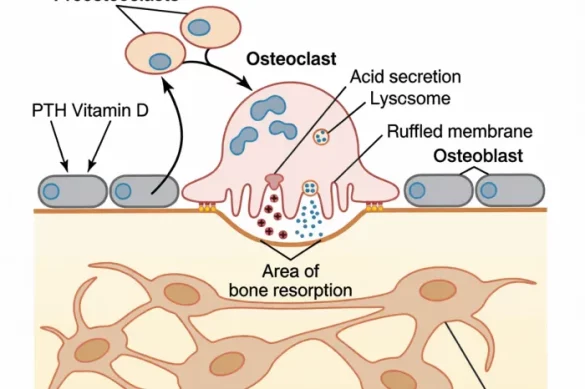
Bone tissue consists of specialised cells known as osteoclasts and osteoblasts. Osteoclasts are chargeable for breaking down bone tissue, even as osteoblasts construct new bone. In healthful individuals, the sports of those cells are balanced. However, whilst osteoclast pastime exceeds that of osteoblasts, greater bone is resorbed than formed. This imbalance results in the lack of bone.
In the context of the alveolar bone, elements like inflammation, contamination, or loss of stimulation (from lacking teeth) can cause the discharge of chemical indicators that prompt osteoclasts. As a result, those cells boom bone breakdown, inflicting the bone to skinny and reduce withinside the affected areas.
The Impact of Alveolar Bone Resorption
Loss of alveolar bone has critical effects for oral fitness and feature. When an excessive amount of bone is lost:
- Teeth can emerge as free and sooner or later fall out.
- It will become tough to suit dentures or dental implants securely.
- Facial look may also extrade as jawbone peak and quantity decrease, once in a while ensuing in a sunken go searching the mouth.
- The feature of chewing and speakme may be impaired.
Prevention and Treatment Options
Early Detection
Regular dental checkups and X-rays are critical for detecting alveolar bone resorption in its early stages. Catching the hassle early permits for greater powerful intervention.
Managing Gum Disease
Prompt and ongoing control of gum ailment is essential. Treatments encompass expert cleaning, scaling and root planing, excellent every day oral hygiene, and once in a while medicinal drugs or superior treatment plans to govern contamination and halt bone loss.
Socket Preservation
After enamel extraction, dentists may also advocate socket renovation techniques. This can contain grafting substances or maybe the usage of stem cells to inspire bone recovery and limit resorption. These strategies goal to fill the empty socket and offer a scaffold for brand spanking new bone growth.
Proper Denture Care
Denture customers need to eliminate their gadgets at night time and make sure a right suit. Ill-becoming dentures boom bone resorption, so ordinary modifications are important. Consideration can be given to implant-supported dentures, which give higher bone stimulation and stability.
Addressing Systemic Factors
Addressing common fitness situations along with osteoporosis can assist lessen bone resorption. Maintaining a balanced food regimen wealthy in calcium and diet D, carrying out weight-bearing pastime, and keeping off smoking are all advantageous steps.
Conclusion
Alveolar bone resorption is a complicated however not unusualplace difficulty in dental health. It happens while the stability among bone breakdown and formation shifts in the direction of bone loss. Tooth loss, gum ailment, dental infections, incorrect denture use, and systemic elements all play a position in triggering or worsening the condition. However, early intervention and preventative measures—such as correct oral hygiene, activate control of dental diseases, cautious denture care, and interest to systemic health—can appreciably lessen the risk. Working intently with dental specialists guarantees the healthiest feasible final results on your smile and common well-being.
FAQs
Why does alveolar bone resorb after teeth extraction?
Alveolar bone resorbs after teeth extraction as it loses the stimulation supplied with the aid of using chewing, main the frame to interrupt down the bone, thinking about it redundant.
How can I save you alveolar bone loss if I put on dentures?
Remove dentures at night, preserve correct oral hygiene, and feature normal dental checkups to make certain right suit and bone health.
Can alveolar bone loss be reversed?
Early bone loss can now and again be slowed or halted, and in a few cases, bone grafting or regenerative processes might also additionally repair a few bone volume. Consult your dentist for the first-class options.
Is alveolar bone resorption painful?
Bone loss itself might not purpose pain, however the related conditions—like gum ailment or infection—may be uncomfortable or maybe painful. If you observe adjustments on your tooth or gums, are seeking dental care promptly.