


Tooth pain can disrupt our daily lives and affect our ability to eat, sleep, and focus. Many people wonder if a cavity will eventually stop hurting on its own. There is a common belief that because the discomfort sometimes fades, the cavity itself may be healing. In reality, the truth is more complex, and understanding what is happening inside your teeth is essential for long-term oral health.
What Is a Cavity?
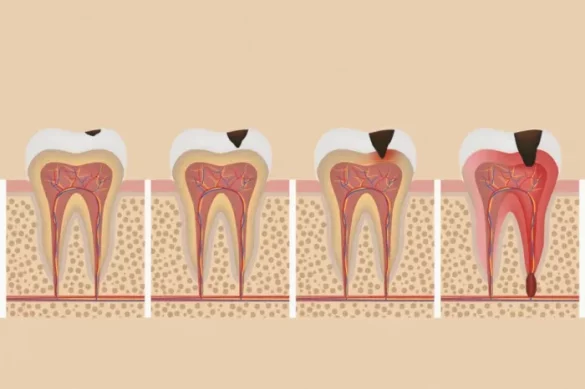
A cavity is a small hole in a tooth caused by tooth decay. Tooth decay starts when bacteria in the mouth feed on sugars and starches left on the teeth, producing acids as a by-product. These acids slowly eat away at the hard outer layer of the tooth called the enamel. If the damage is not stopped in the early stages, the decay penetrates deeper, eventually forming a cavity.
How Do Cavities Cause Pain?
Cavities usually do not cause pain right away. In their earliest stage, tooth decay may present as a white spot or a soft area on the enamel, but you may not feel anything unusual. Pain most often begins when the decay reaches the dentin, a sensitive layer beneath the enamel. As the decay progresses and nears the nerve—also known as the pulp—pain becomes more intense. The discomfort might be sharp, throbbing, or even a constant ache. Triggers like cold or hot foods, sweet drinks, or chewing can make the pain worse.
Why Does Pain Sometimes Stop?
It is possible for the pain from a cavity to fade with time, but this does not mean the tooth has healed itself. The pain goes away because the nerve in the tooth may have become infected and died. In medical terms, this is known as pulp necrosis. When the nerve dies, you will no longer feel pain from that tooth. However, this is not a sign of recovery. Instead, it is a warning that the decay has progressed to a severe stage.
Can a Cavity Heal or Go Away on Its Own?
Once a cavity has formed, it cannot heal or repair itself. In the very early stages—when the enamel is just starting to lose minerals—you can sometimes reverse the damage with fluoride toothpaste and improved oral hygiene. However, as soon as an actual hole has developed in the tooth, professional dental treatment is required. Left untreated, the decay will continue to spread, causing more damage and making future treatment more complex and costly.
The Dangers of Dismissing Cavity Pain
Ignoring a painful cavity, or assuming that the pain going away is a good sign, can be dangerous. When the nerve inside the tooth dies, it can allow infection to spread beyond the tooth into the surrounding gums, bone, and even other parts of the body. Over time, pustules (abscesses) can form, leading to swelling, fever, difficulty eating, and sometimes life-threatening complications.
What Happens if You Do Not Treat a Cavity?
When a cavity is left untreated, the damage will not stop. The tooth will continue to decay. As the process progresses, the tooth may break, crumble, or become discolored. Eventually, an abscess may develop—a pocket of infection inside or near the tooth. This can cause signs such as facial swelling, severe pain, bad breath, or a bad taste in your mouth. In some cases, the infection can spread to your jaw, head, or other parts of your body.
Recognizing the Signs of Cavity Pain
Pain from a cavity can feel different for everyone. Common symptoms include:
- Sensitivity to hot, cold, sweet, or sour foods
- Occasional or constant toothaches
- Pain while chewing or biting
- Sharp pain when exposed to air or cold water
- Visible holes or pits in your teeth
- Discoloration or dark spots
If you have any of these symptoms, do not wait until the pain stops. Instead, see a dentist as soon as possible. Early treatment can prevent more serious problems and increase the chances of saving your tooth.
Preventing Cavities and Tooth Pain
The best way to deal with cavities is to prevent them from forming in the first place. Here are simple steps everyone can follow:
Brush and Floss Regularly
Brush your teeth at least twice a day with fluoride toothpaste. Floss once a day to remove food trapped between your teeth.
Use Fluoride Products
Fluoride is a mineral that helps strengthen tooth enamel and makes it more resistant to decay. Use toothpaste and mouthwash that contain fluoride.
Limit Sugary and Acidic Foods
Foods and drinks that are high in sugar and acid encourage the growth of bacteria that cause cavities. Reduce your intake of soda, candies, and starchy snacks.
Visit Your Dentist for Regular Check-Ups
Even if you do not have tooth pain, regular dental visits can catch early signs of decay and other problems before they become serious. Professional cleanings and exams are essential for healthy teeth.
Consider Dental Sealants
Children and adults with a high risk of cavities can benefit from sealants—thin, protective coatings placed on the chewing surfaces of back teeth.
What to Do if You Have a Cavity
If you suspect a cavity, do not ignore it. A dentist can examine your teeth and recommend the suitable treatment. Depending on the stage of decay, treatment may include a simple filling, a root canal, or in severe cases, extraction of the tooth. Pain management should not be your only concern. Treating the cavity addresses the root cause.
Conclusion
Pain from a cavity may eventually fade, but this is not a sign of healing or recovery. When pain disappears, it usually means the nerve inside your tooth has become damaged or died, which can lead to serious infections and even result in tooth loss. Cavities never go away on their own, and the damage is permanent. By practicing good oral hygiene, getting regular dental check-ups, and addressing any pain or sensitivity promptly, you can protect your teeth and avoid further complications.
FAQs
Will a cavity get better without treatment?
No, once a cavity forms, it will not heal by itself. Only early enamel damage—not an actual cavity—can sometimes be reversed with good oral care and fluoride.
If my cavity stops hurting, is my tooth healed?
No. Most often, pain disappears because the nerve inside the tooth has died, which can lead to severe infection if not treated.
What should I do if my tooth starts to hurt less?
Even if the pain fades, see a dentist as soon as possible. Lack of pain does not mean the underlying problem is gone.
How can I prevent cavities in the future?
Brush twice a day, floss once daily, use fluoride toothpaste, and visit the dentist regularly for check-ups and cleanings. Limit sugary and acidic foods for better protection.