


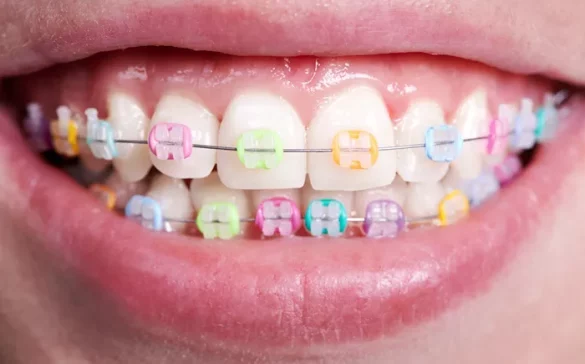
Braces are a popular orthodontic treatment to align teeth and improve oral health. Choosing the right color for braces can be more than a fashion choice. It can impact appearance, dental hygiene, and even how sensitive teeth or gums respond during treatment. In 2025, trends in braces colors are influenced by personal style, visibility, and maintenance. This article explores the seven best and worst colors for braces, their effects on dental health, and tips to maintain a healthy smile while wearing them.
Why Color Choice Matters for Braces
The color of braces is not just aesthetic. Some colors highlight plaque, staining, or discoloration of teeth. Bright colors may make teeth appear whiter, while certain dark colors can hide plaque and gum issues. For patients with gum disease or sensitive teeth, color choice can also affect self-confidence and motivation to maintain oral hygiene.
Impact on Dental Hygiene
Lighter colors, such as yellow or white, can show plaque buildup more easily. This visibility can be both good and bad. It motivates some patients to brush thoroughly but can also make teeth appear dirty if oral hygiene is neglected. Conversely, darker colors like navy blue or black hide stains but may mask the presence of plaque, which can contribute to gum disease.
Effect on Sensitive Teeth
Patients with sensitive teeth should avoid colors that draw attention to inflammation or discoloration. Subtle, neutral colors help maintain a natural appearance, reducing self-consciousness and encouraging proper care routines.
7 Best Colors for Braces in 2025
1. Light Blue
Light blue braces are trendy in 2025 because they complement most skin tones and tooth shades. They are subtle yet visible enough to show personality. Light blue also highlights cleanliness, motivating patients to brush frequently and prevent plaque accumulation.
2. Navy Blue
Navy blue is a classic choice. It is stylish and professional. It does not show minor stains and helps mask small amounts of food residue. This color is suitable for teenagers and adults, providing a balance between fashion and practicality.
3. Pink
Pink braces are popular among younger patients and adults who want a playful touch. They tend to make teeth appear whiter. Soft pink shades are gentle on sensitive teeth and do not highlight gum redness, which is ideal for patients with mild gum disease.
4. Green
Green braces come in vibrant or muted shades. They are visually appealing and hide minor food stains. Patients with sensitive teeth often prefer green, as it blends well with natural tooth color and encourages good brushing habits.
5. Purple
Purple is a versatile color that works well for all ages. Darker shades help mask staining, while lighter shades create a cheerful look. Purple is also less likely to show plaque buildup compared to yellow or white.
6. Turquoise
Turquoise braces are both stylish and practical. The color enhances smiles and complements various skin tones. Its moderate brightness encourages consistent oral care, reducing risks associated with gum disease and tooth sensitivity.
7. Clear or White
Clear or white braces offer a discreet appearance. They are suitable for patients seeking minimal visibility. However, they require careful maintenance as they can stain easily from foods and drinks. Proper brushing and flossing are crucial to avoid visible discoloration, which may worsen gum disease or dental sensitivity.
7 Worst Colors for Braces in 2025
1. Yellow
Yellow braces are considered unattractive in 2025. They can make teeth appear more discolored and are prone to staining. Patients with gum disease may find yellow braces emphasize inflammation, which can reduce self-confidence.
2. Brown
Brown braces can create a dull appearance. They tend to blend with food stains, making it harder to monitor oral hygiene. This can be problematic for patients with sensitive teeth or those prone to plaque buildup.
3. Gray
Gray braces are neutral but often look unappealing against natural tooth color. They do not enhance smiles and can highlight any existing dental discoloration. Patients with mild gum disease may want to avoid this color.
4. Dark Green
While lighter greens are attractive, very dark green can make teeth appear dull or yellowish. Food particles may also be less visible, increasing the risk of plaque buildup and potential gum disease.
5. Orange
Orange braces can be striking but often clash with natural tooth color. They are prone to staining and can make yellowing teeth more noticeable. Patients with sensitive teeth may find this color draws unwanted attention to minor discoloration.
6. Red
Red braces are bold, but this color can highlight gum inflammation or bleeding. Patients with early gum disease may find red braces exacerbate self-consciousness. Bright red also stains easily and requires diligent oral hygiene.
7. Black
Black braces are popular for their dramatic look, but they can make teeth appear smaller or darker. Black brackets also hide food debris, which may encourage plaque accumulation and increase the risk of gum disease or sensitivity issues.
Tips for Maintaining Braces and Oral Health
1. Brush Thoroughly
Use a soft-bristled toothbrush and fluoride toothpaste. Brush after every meal to prevent plaque accumulation. Pay extra attention to areas around brackets and wires to protect against gum disease and sensitive teeth issues.
2. Floss Daily
Flossing with braces requires special tools, such as orthodontic flossers or threaders. Removing food particles between teeth reduces the risk of cavities and gum inflammation, helping maintain a healthy smile.
3. Avoid Staining Foods and Drinks
Certain foods like curry, coffee, tea, and tomato sauce can stain braces, especially light-colored or clear options. Patients with sensitive teeth should limit acidic foods that may exacerbate discomfort.
4. Regular Dental Visits
Schedule routine dental cleanings and orthodontic check-ups. Professional cleaning prevents plaque buildup and monitors gum health. This is especially important for patients with gum disease or heightened tooth sensitivity.
5. Consider Color Maintenance
Light-colored braces require careful upkeep to prevent discoloration. Dark-colored braces may require less visual maintenance but still need diligent oral hygiene to avoid underlying dental issues.
Conclusion
Choosing the right color for braces in 2025 involves balancing aesthetics with dental health. Light blue, navy, pink, green, purple, turquoise, and clear braces are the best options for maintaining a healthy and attractive smile. Yellow, brown, gray, dark green, orange, red, and black are generally less recommended due to visibility, staining potential, and impact on perceived dental hygiene. Regardless of color, diligent brushing, flossing, and dental visits are essential to prevent gum disease and manage sensitive teeth while wearing braces.