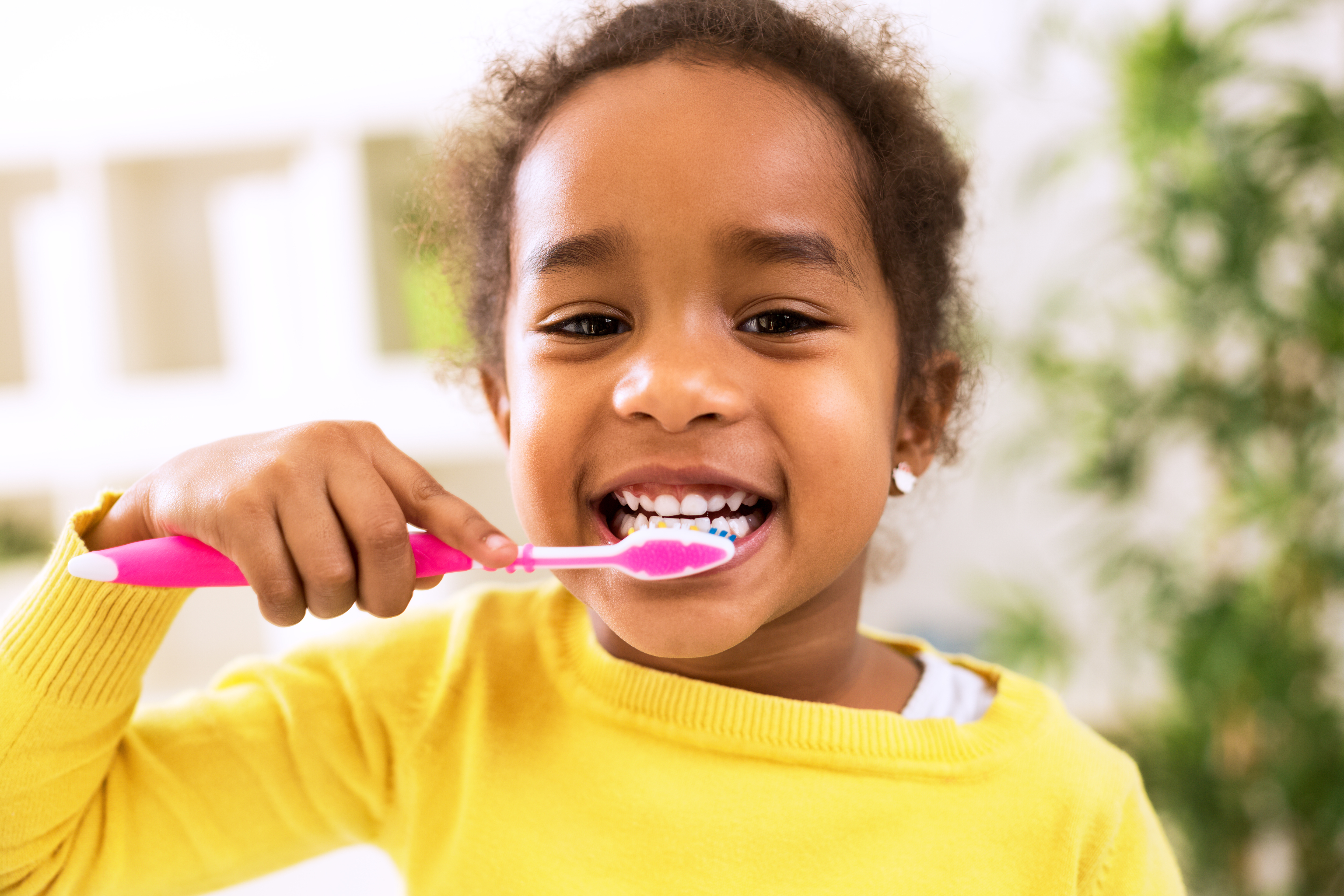
 One of the most fundamental and consistently used instruments for patients’ at-home oral care is a manual toothbrush. Available in virtually every grocery or pharmacy, it’s an affordable, easily accessible tool to maintain beautiful, healthy smiles—yet, not all manual toothbrush options on the market should be treated as equals.
With that, buying a toothbrush should not be a casual decision, so clinicians must educate their patients about certain criteria to consider, guiding them to the best ones. Here is a quick list of features worth mentioning to ensure that patients’ toothbrushes meet their individual needs and preferences:
• Bristles: Toothbrushes with bristles that are too firm may lead to abrasion and/or recession. Soft or ultrasoft bristles offer effective cleaning while preventing damage to enamel and gingiva, thanks to their gentler touch.
• Filament Size and Shape: Looking for toothbrushes with fine filaments with tapered or rounded tips make it easier for users to reach tight interdental spaces. They also help reduce the risk of soft tissue damage.
• Head Size: Having a toothbrush with a head size that is too big for the mouth could hinder its cleaning efficacy. A compact toothbrush head allows for better access to all areas in the mouth, including often-neglected molars.
• Ergonomics: A well-designed handle with a comfortable grip can make the brushing experience more enjoyable. The best ergonomic brushes will also give users better control and reduce hand fatigue during brushing sessions.
• Tuft Configuration: Considering a toothbrush with multilevel or angled tufts can further assist with effective plaque removal, which prevents cavities and gum diseases long term.


